Across Europe, the conversation around employee time tracking is shifting from a best practice to a legal requirement. The EU time tracking law has become one of the most important regulatory developments affecting HR, Operations, Workplace, IT, and Compliance leaders. And while individual Member States are implementing it at different speeds, the direction is unmistakably clear. Every employer in the EU must be able to record daily working hours in a way that is objective, reliable, and verifiable.
Many organisations still rely on badge systems, spreadsheets, or manual check-ins to track attendance. These methods no longer meet the standard regulators expect. Enforcement is steadily moving toward fully digital systems that can produce accurate, tamper-resistant, audit-ready data at any moment.
Kadence is built for exactly this shift.
What the EU Time Tracking Law Actually Requires
The foundation of the EU time tracking law comes from a ruling by the Court of Justice of the European Union, which clarified that all employers must implement a system capable of recording:
• Daily start times
• Daily finish times
• Breaks and rest periods
• Overtime
• Total hours worked
Crucially, the system must be able to demonstrate accuracy during inspections. That means logs must be objective and generated through systematic processes, not retroactively updated or manually adjusted. Spreadsheets and editable logs no longer satisfy compliance expectations because they cannot reliably prove how or when data was captured.
Why Presence Tracking and Visitor Logging Are Now Part of Compliance
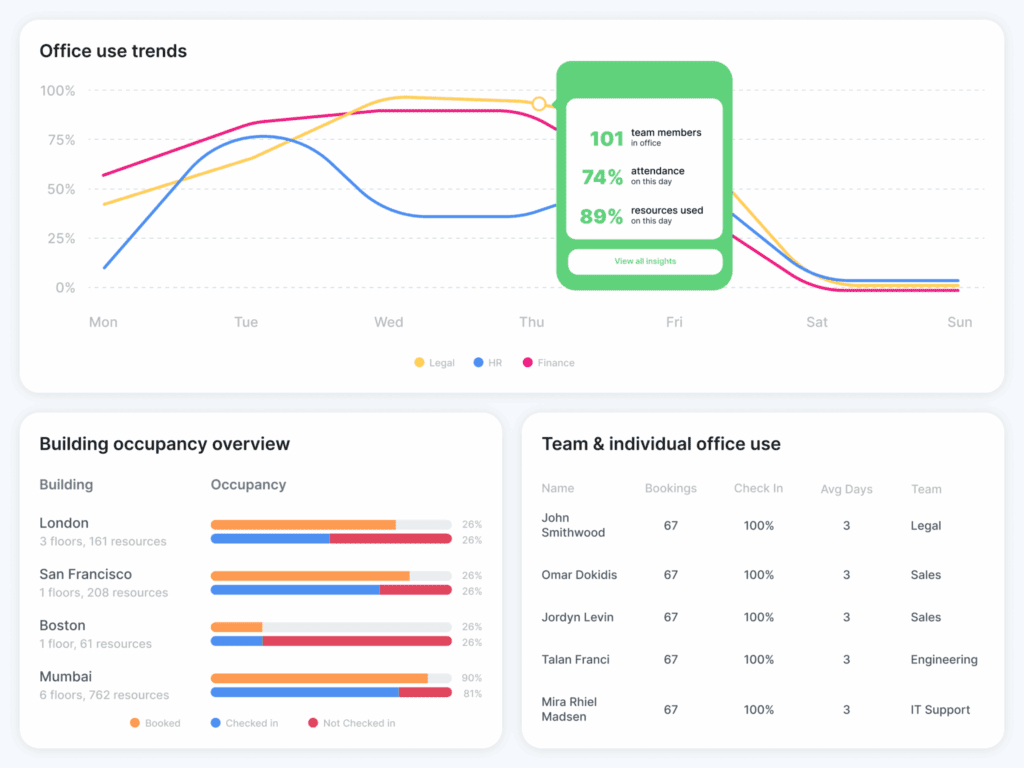
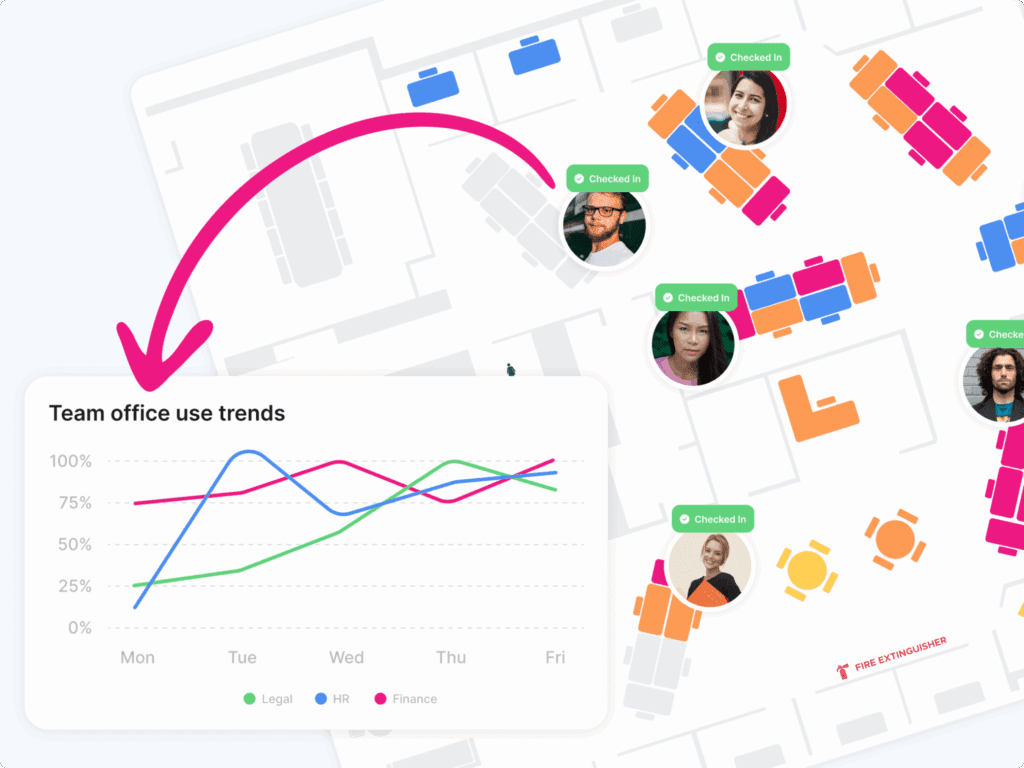
Alongside working-time obligations, EU fire safety and evacuation requirements expect employers to maintain real-time visibility of everyone inside the building. This includes employees, visitors, contractors, agency staff, and temporary workers.
Inspections increasingly expect organisations to have:
• A real-time list of who is onsite
• A timestamped history of arrivals and departures
• Reliable visitor registration
• Evacuation rolls that match actual presence
Paper visitor books, manual evacuation sheets, and scattered building records are no longer sufficient. Across the EU, digital, traceable presence data is becoming the standard for compliance and safety.
How EU Member States Are Approaching Enforcement
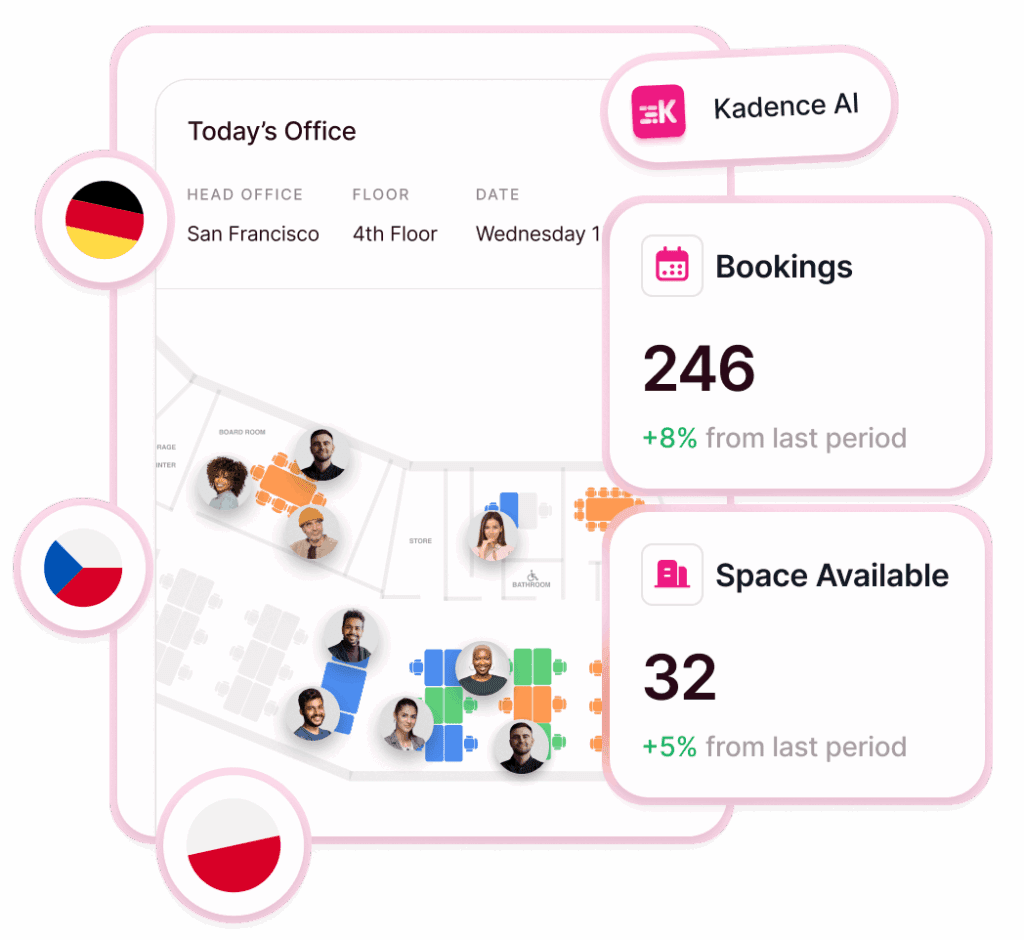
Although the EU time tracking law applies everywhere, enforcement varies by country. Broadly, Member States fall into three categories:
1. Strict Enforcement Countries
These countries already expect daily time records, with regulators preferring digital or tamper-proof systems. Inspections commonly include requests for verifiable, historical logs, and penalties are issued for incomplete or unreliable records. Examples include Spain, France, Italy, Germany, Portugal, and several Central and Eastern European nations.
2. Countries Tightening Their Approach
These states require working-time records, but may still offer more flexibility in format. Digitalisation is accelerating, and regulators increasingly expect systematic time reporting with audit-ready evidence. Examples include the Netherlands, Austria, Sweden, Denmark, Finland, Ireland, and the Baltic states.
3. Countries Still Aligning Local Legislation
A small number of Member States have been slower to update national law, but the EU-level requirement still applies. Employers remain responsible for implementing a reliable system that captures working time objectively, regardless of local timelines.
Across all three groups, inspections are shifting from checking whether records exist to assessing how those records were generated and whether the employer can prove their accuracy.
Why Manual Systems and Badge Data Fail Modern Requirements
Many organisations still assume that access control badge data or spreadsheets are enough to demonstrate compliance. This is no longer the case.
Badge systems only show building entry and exit, not working hours or breaks. They cannot track remote work or hybrid patterns. Spreadsheets depend on manual edits and cannot prove objectivity. Paper logs cannot support real-time presence visibility, and visitor books are often inconsistent.
Regulators now expect systems that are:
• Automatic
• Verifiable
• Accurate to the minute
• Resistant to retroactive edits
• Fully auditable
This shift means organisations need solutions that capture trustworthy data without relying on employee self-reporting or manual processes.
How Kadence Helps Organisations Comply With the EU Time Tracking Law
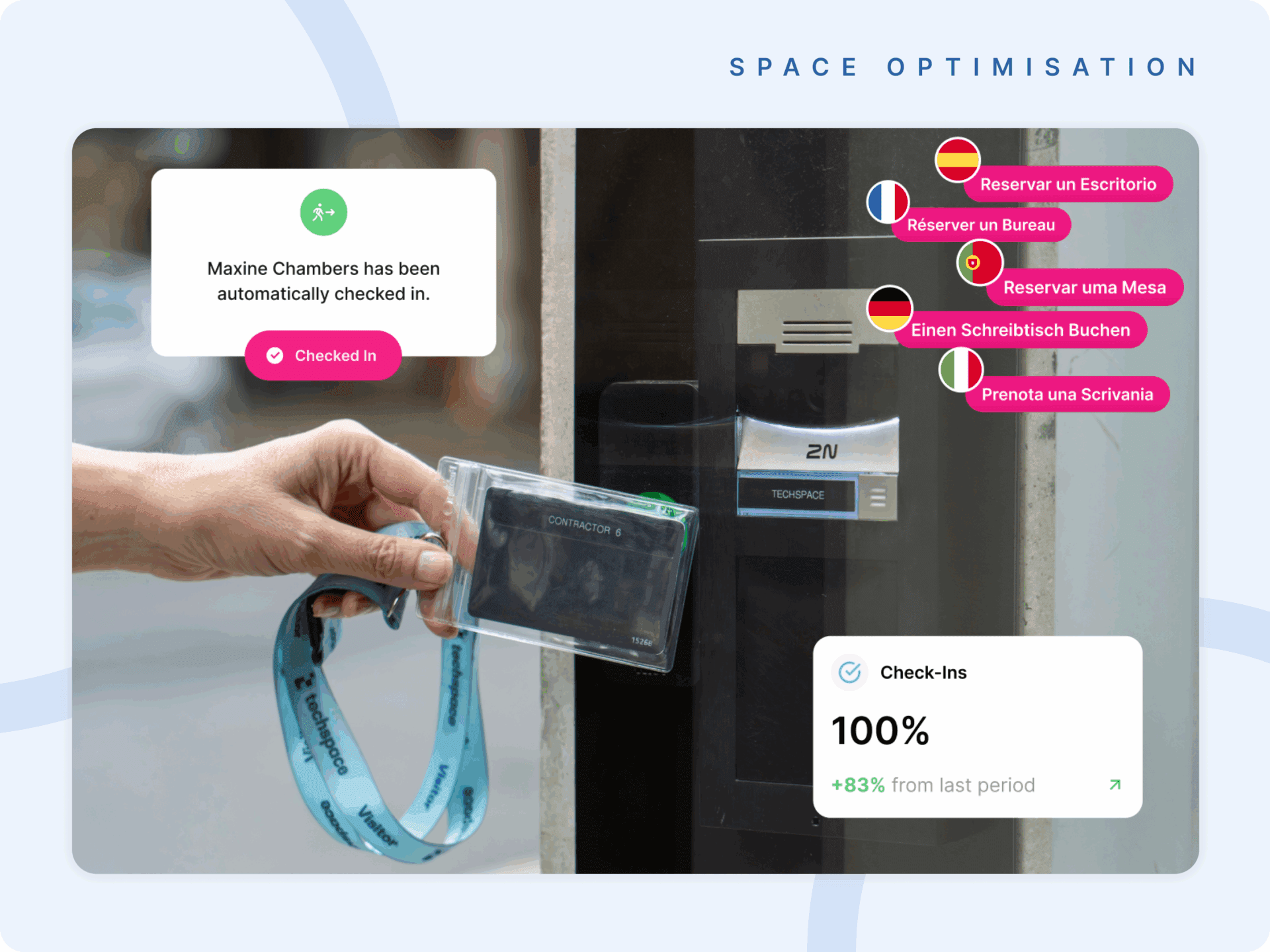
Kadence brings working-time tracking, real-time presence visibility, visitor management, and evacuation readiness into one unified platform. Instead of forcing employees to clock in manually or depend on unreliable badge data, Kadence captures accurate signals through natural touchpoints people already use during their day.
Kadence provides:
• Automated, objective working-time records
• Real-time presence visibility for everyone onsite
• Integrated visitor management for contractors and guests
• Instant evacuation lists during safety events
• Audit-ready reporting with clear data provenance
• Multilingual support for global teams
• Standardised operations across all EU locations
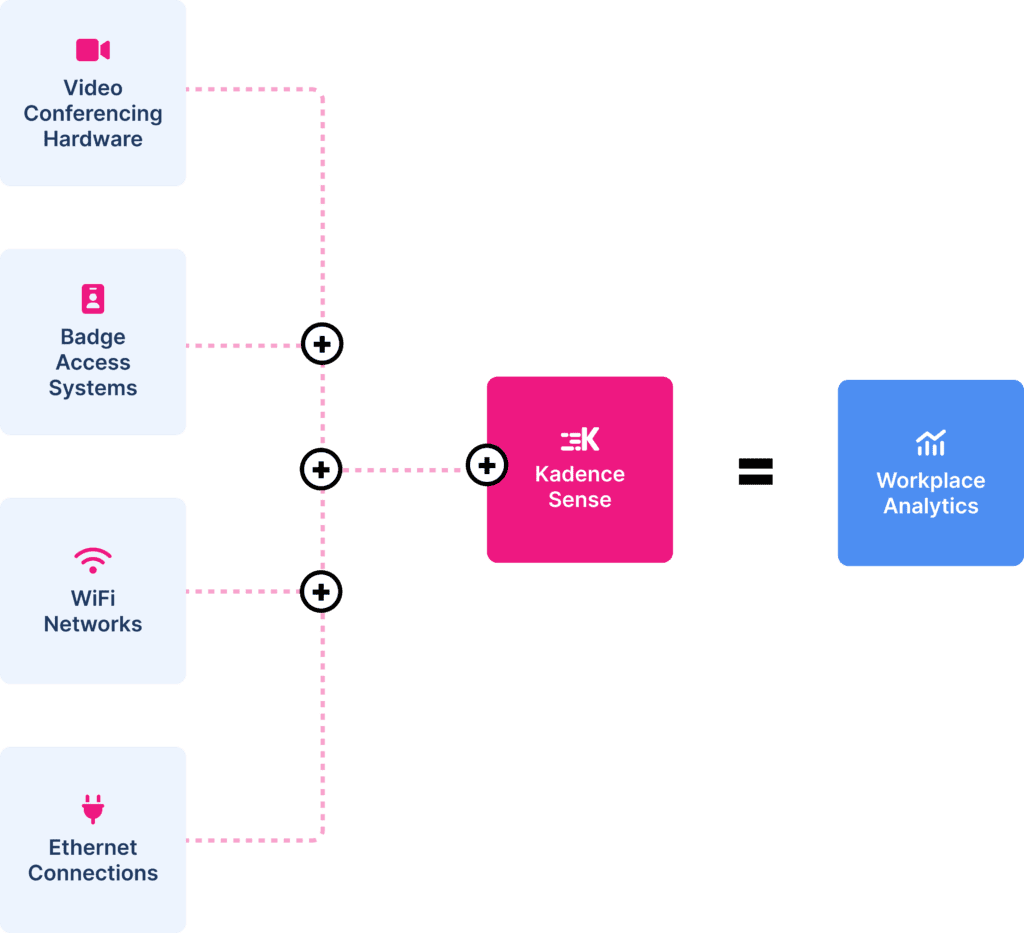
This workflow is powered by Kadence Sense, the intelligence layer within the Kadence platform that verifies presence through office Wi-Fi connectivity, calendar signals, and lightweight check-ins. Sense removes the need for manual attendance processes and ensures that time and presence data is captured accurately and consistently, without additional hardware or invasive tracking.
By combining Kadence’s workspace orchestration capabilities with the automated data capture of Kadence Sense, organisations can meet EU compliance requirements in a way that is seamless for employees and robust enough for regulators.
What Workplace Leaders Should Do Now
As enforcement of the EU time tracking law continues to strengthen, organisations should take proactive steps to prepare:
- Review how working time is currently tracked
- Identify where manual or unverifiable processes exist
- Evaluate the reliability of presence and visitor records
- Digitise key workflows and standardise them across sites
- Implement systems that automate data capture
- Ensure records are auditable and exportable for inspections
- Align HR, IT, and Workplace teams around a shared solution
Modern compliance is no longer about collecting data but proving that the data is accurate, consistent, and created without manual intervention.
The Direction of Travel Is Clear
The EU time tracking law is part of a broader movement to ensure safer, fairer, more transparent workplaces across Europe. Requirements are tightening. Expectations are rising. And the shift toward digital, objective systems is accelerating in every Member State.
By modernising now, organisations can reduce risk, eliminate administrative overhead, and create a more consistent experience for employees across all locations.
If you want to see how Kadence helps organisations meet EU time tracking requirements with accurate, real-time workplace operations data, book a demo with our workplace operations experts.