For years, enterprise leaders assumed Gen Z would permanently reject the office. Flexibility was framed as the defining expectation of the next generation, and workplace strategy often centered on remote enablement. That assumption is beginning to fracture.
Recent reporting from Axios shows Gen Z workers expressing a stronger preference for in-office time than many executives anticipated, particularly for career development, visibility, and relationship-building opportunities.
The fastest-growing segment of the workforce is signaling that proximity accelerates progression. For senior leaders, the real question is not whether employees are willing to come in. It is whether the workplace is operationally designed to justify that decision.
Gen Z Workplace Trends In 2026 Point To Career Acceleration
The renewed interest in office presence aligns with broader research.
Deloitte’s Global Gen Z and Millennial Survey consistently finds that younger workers prioritize skill development, mentorship, and career progression as top decision factors, often above pure location flexibility.
The data suggests that Gen Z is not choosing desks. They are choosing access.
They are looking for:
- Faster feedback loops
- Real-time mentorship exposure
- Informal learning opportunities
- Visibility into leadership decision-making
- Network density that accelerates internal mobility
In an AI-accelerated enterprise, these factors become even more critical.
AI Workplace Transformation Is Changing What Young Talent Needs
Enterprise AI adoption is no longer theoretical. It is operational.
Accenture recently linked promotion criteria to AI fluency, making AI capability a performance expectation rather than an optional skill. PwC engineers launched an AI agent capable of handling enterprise-grade spreadsheets, reducing weeks of financial modeling to hours and reshaping finance workflows. Anthropic has expanded enterprise integrations that embed AI directly into tools like Google Workspace and Slack, further normalizing AI as workflow infrastructure rather than a standalone experiment.
As AI automates execution-level tasks, the human differentiators shift toward judgment, collaboration, strategic thinking, and leadership presence. Early-career employees must develop skills that automation cannot easily replicate. This creates a structural paradox. The more digital work accelerates, the more intentional physical collaboration must become.
Gen Z’s preference for in-office work is not nostalgia. It is a rational response to an environment where apprenticeship, exposure, and contextual learning matter more than ever.
Most Enterprise Workplaces Are Not Operationally Ready
Despite this generational shift, many enterprise workplaces remain structurally misaligned with growth-driven presence.
Common operational gaps include:
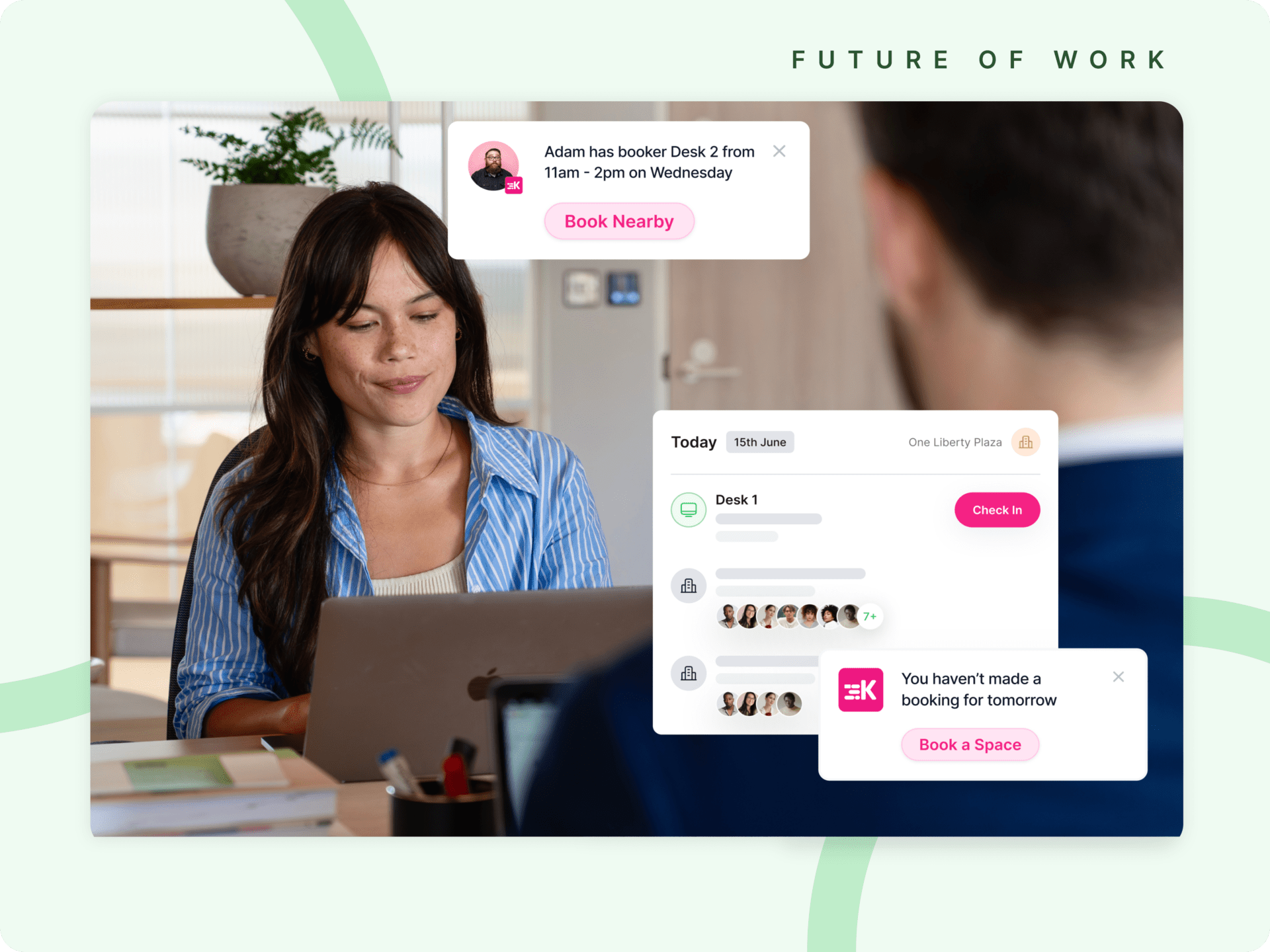
- Teams arriving on different days without intentional overlap
- Managers working remotely while junior employees are onsite
- Collaboration zones overbooked midweek and underutilized elsewhere
- Static seating plans disconnected from evolving team structures
- Limited visibility into how space usage correlates with performance metrics
In these environments, attendance does not translate into value. Presence becomes fragmented and inefficient rather than strategic. This is a workplace operations problem.
Leaders cannot answer critical business questions without integrated data:
- Are high-potential employees colocated with mentors?
- Does physical proximity increase promotion velocity?
- Which teams generate measurable collaboration density when onsite?
- Where is real estate underperforming relative to cost?
- How should space allocation evolve as AI reshapes team structures?
Without operational intelligence, Gen Z’s renewed interest in the office becomes wasted opportunity.
Space Ops Is The Missing Performance Layer
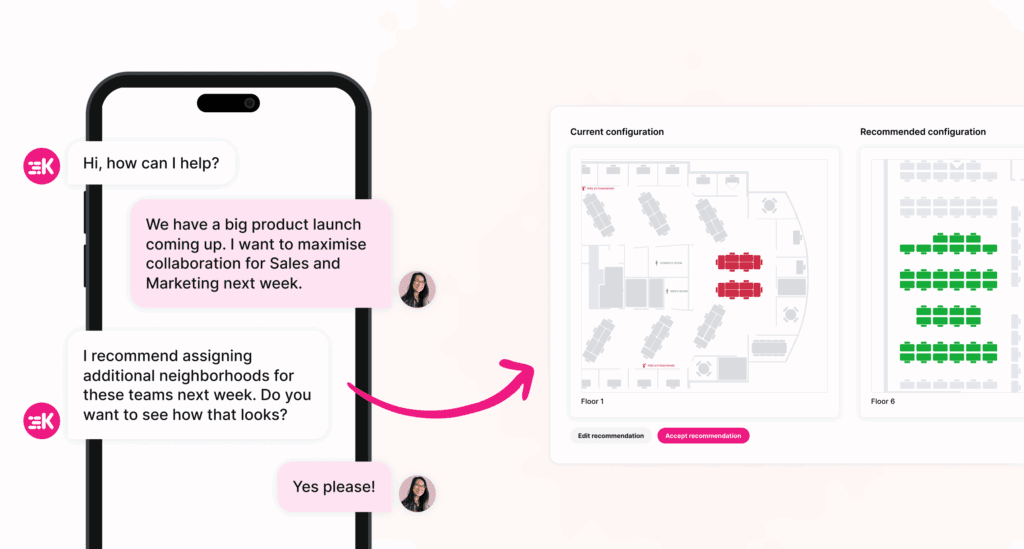
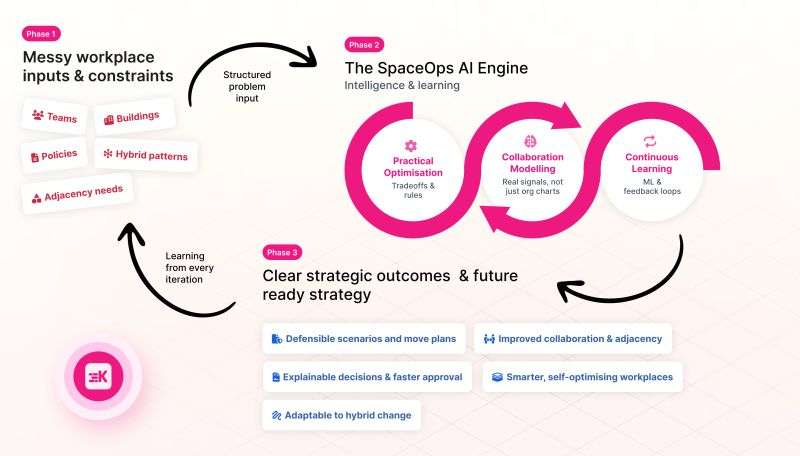
To convert presence into performance, enterprises need more than booking tools or attendance dashboards. They need a dedicated operational layer that integrates physical workspace into enterprise decision-making.
Space Ops provides that layer.
Rather than treating the workplace as static square footage, Space Ops treats it as a dynamic asset informed by real-time signals across teams, buildings, schedules, and collaboration patterns.
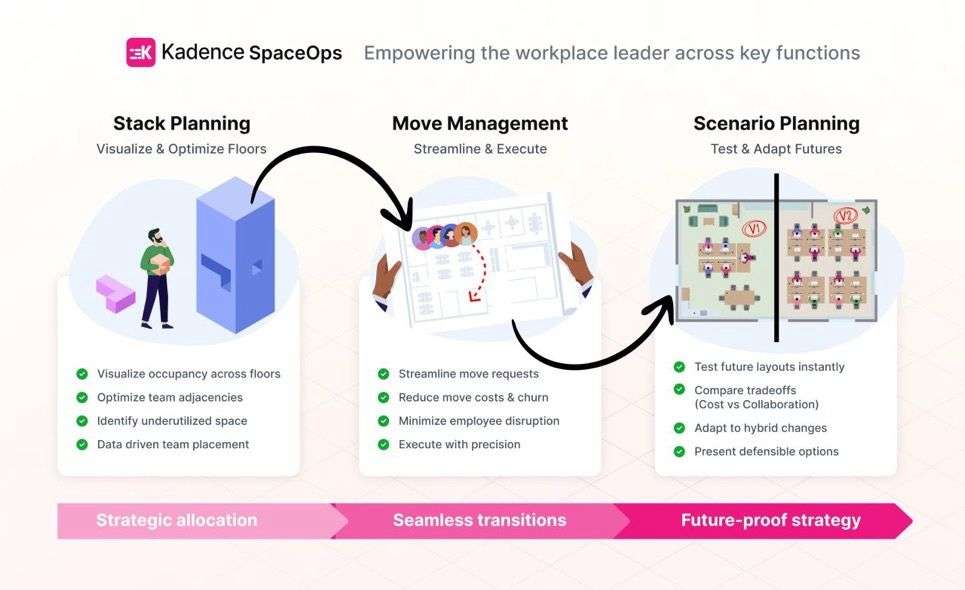
A modern Space Ops strategy enables organizations to:
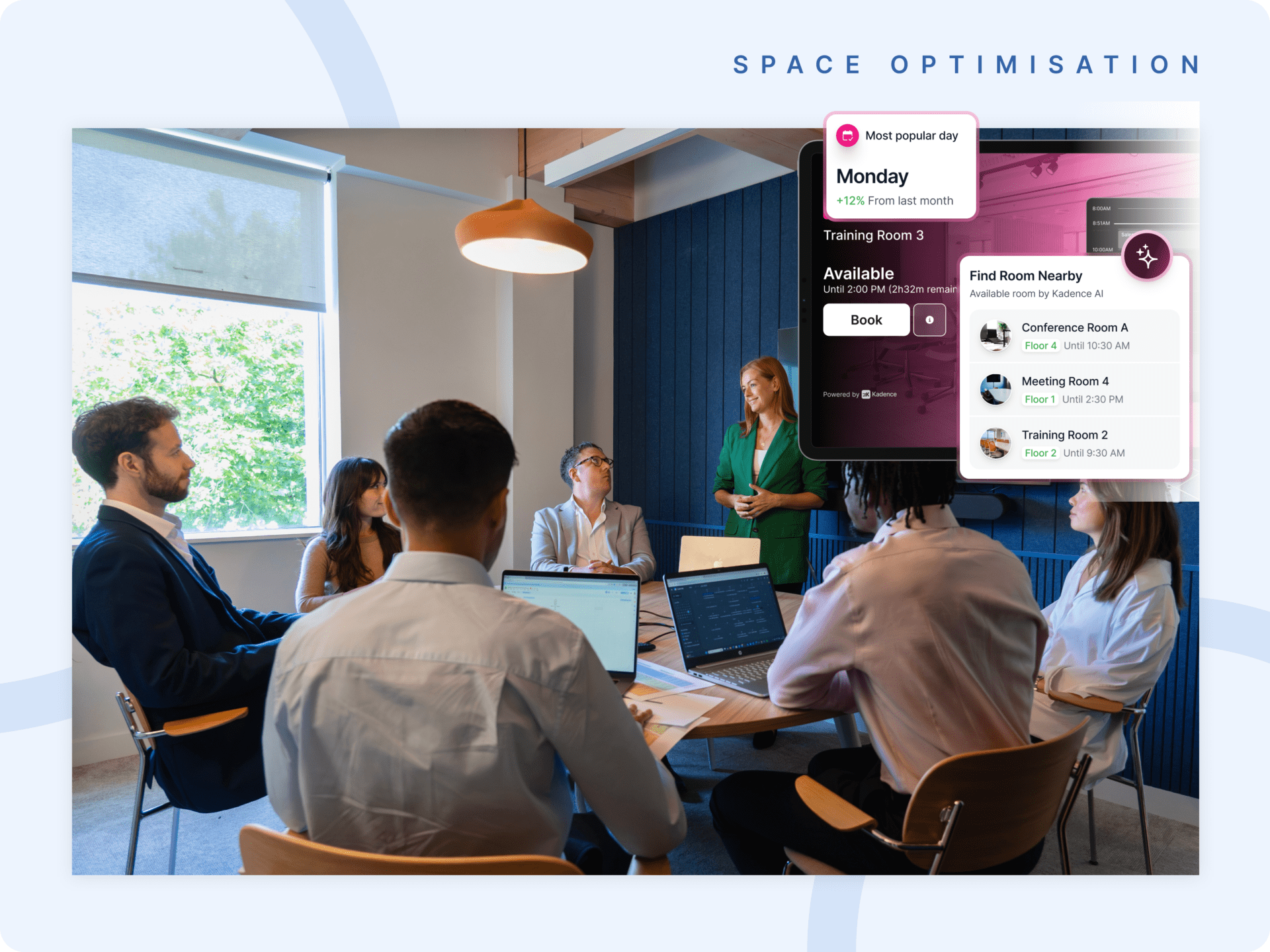
- Align team schedules intentionally to maximize meaningful overlap
- Optimize adjacencies based on real collaboration data rather than assumptions
- Model stack plans dynamically as business units expand or contract
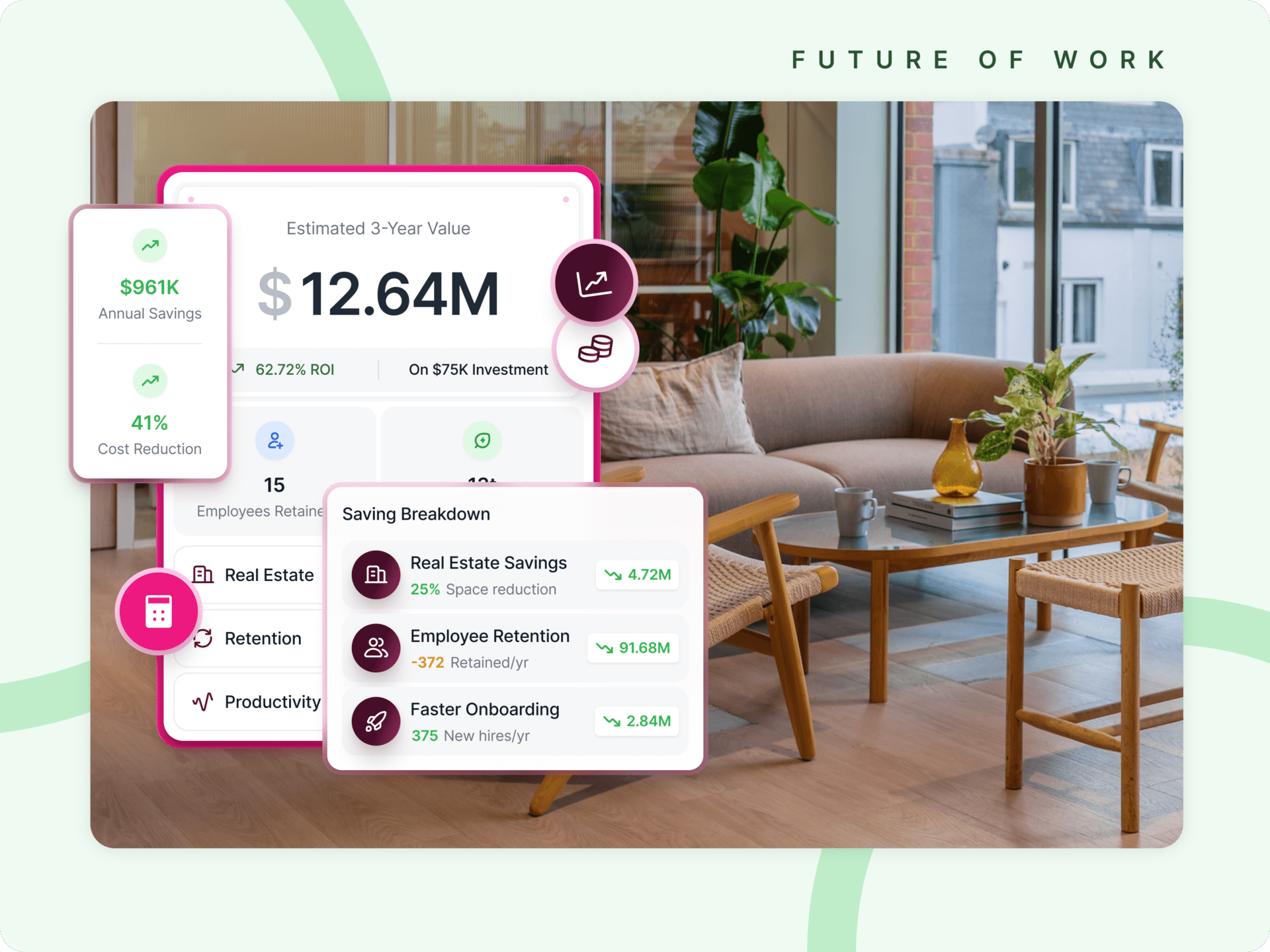
- Identify underutilized space with defensible cost analysis
- Forecast space demand based on workforce trends and generational shifts
- Measure how physical presence correlates with performance outcomes
When implemented effectively, Space Ops transforms the workplace into active infrastructure that supports business objectives.
Gen Z’s choice to come into the office becomes an asset rather than an operational strain. Leadership gains visibility into how space supports talent development. Real estate decisions become predictive rather than reactive. In an AI-driven enterprise, this intelligence layer is no longer optional.
The Strategic Imperative For Senior Leaders
Real estate remains one of the largest enterprise cost centers after payroll. Talent development is one of the most significant drivers of long-term competitive advantage. AI adoption is increasing both opportunity and complexity. The intersection of these forces demands operational maturity.
Gen Z is signaling that the office can accelerate careers when designed correctly. Enterprises that continue to treat physical space as static inventory will struggle to deliver that value. Enterprises that treat space as performance infrastructure will unlock measurable growth leverage.
The question is no longer whether employees will come in. The question is whether your workplace is engineered to justify it.
If you are evaluating how AI transformation and generational workforce shifts impact your enterprise strategy, it is time to assess your Space Ops capability. Book a demo with our workplace operations experts to see how Kadence helps organizations design intelligent, high-performance workplaces built for the next generation of work.