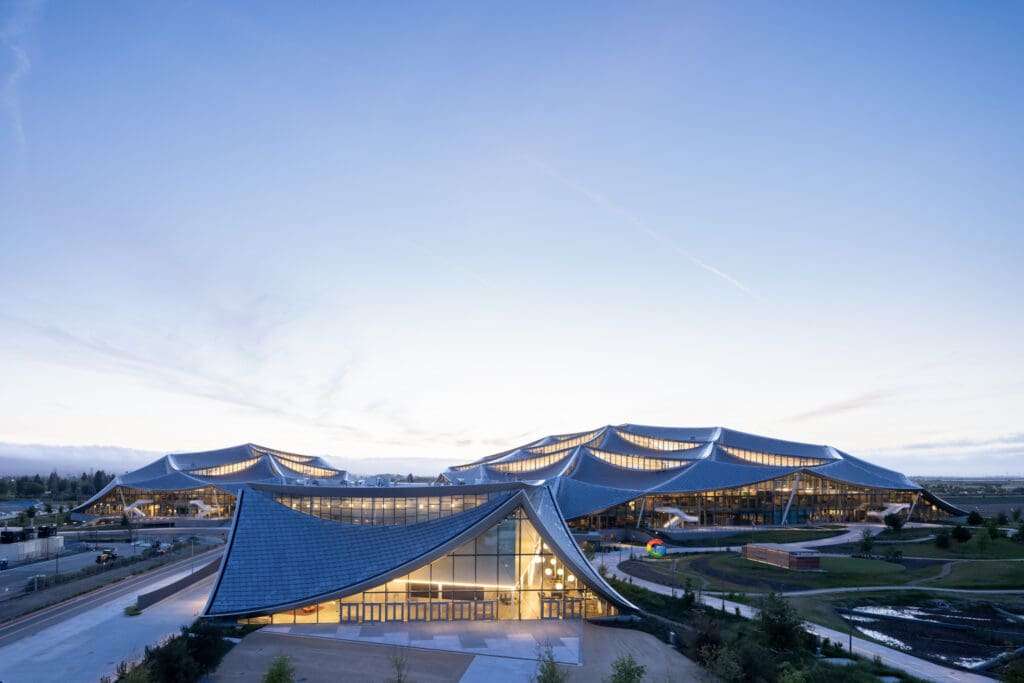
Google did not build their offices at the Bay View campus to look impressive. It built it to work better.
As organizations scale, coordination becomes harder to maintain. Teams drift apart. Dependencies stretch across floors and buildings. Decisions slow down, not because people stop communicating, but because the physical environment no longer reflects how the business actually operates.
Bay View is Google’s response to that problem. It is not an office as a destination. It is an office as operating infrastructure.
This is what designing for effective workplace operations looks like in 2026.
What Google Designed
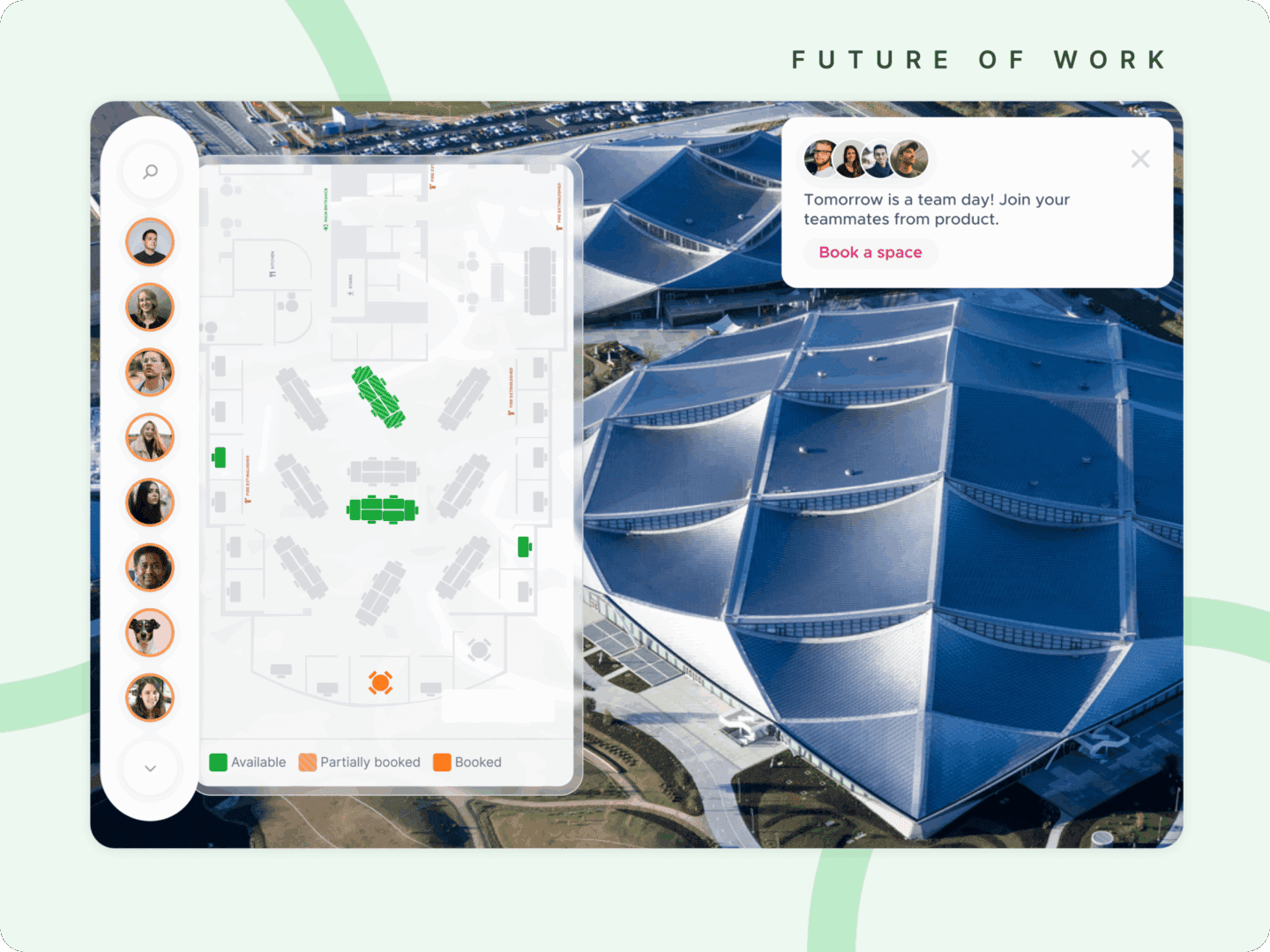
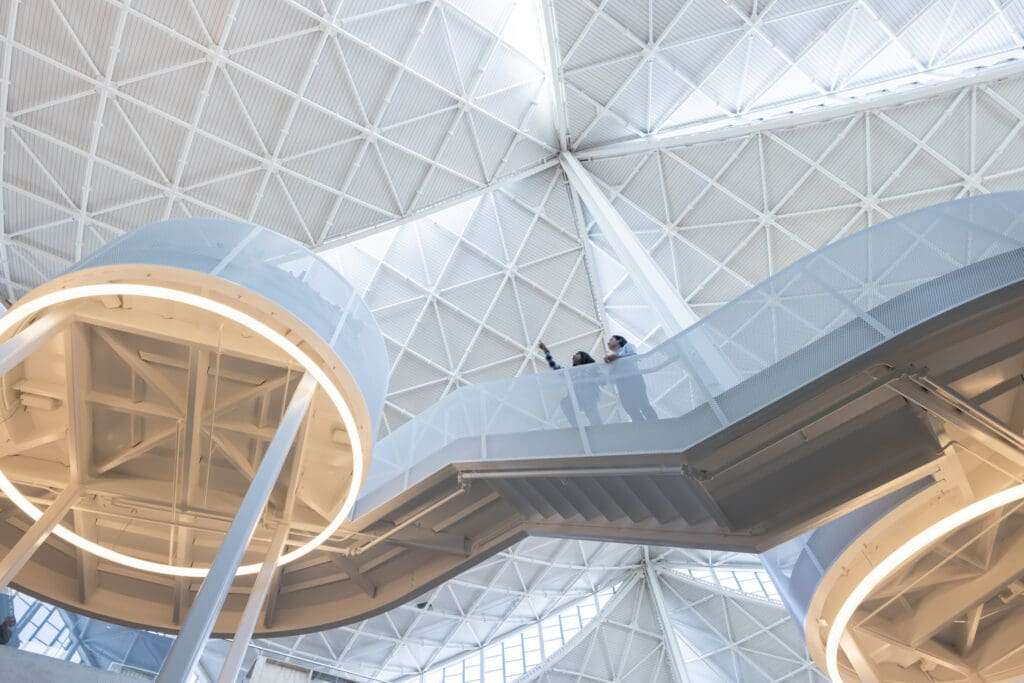
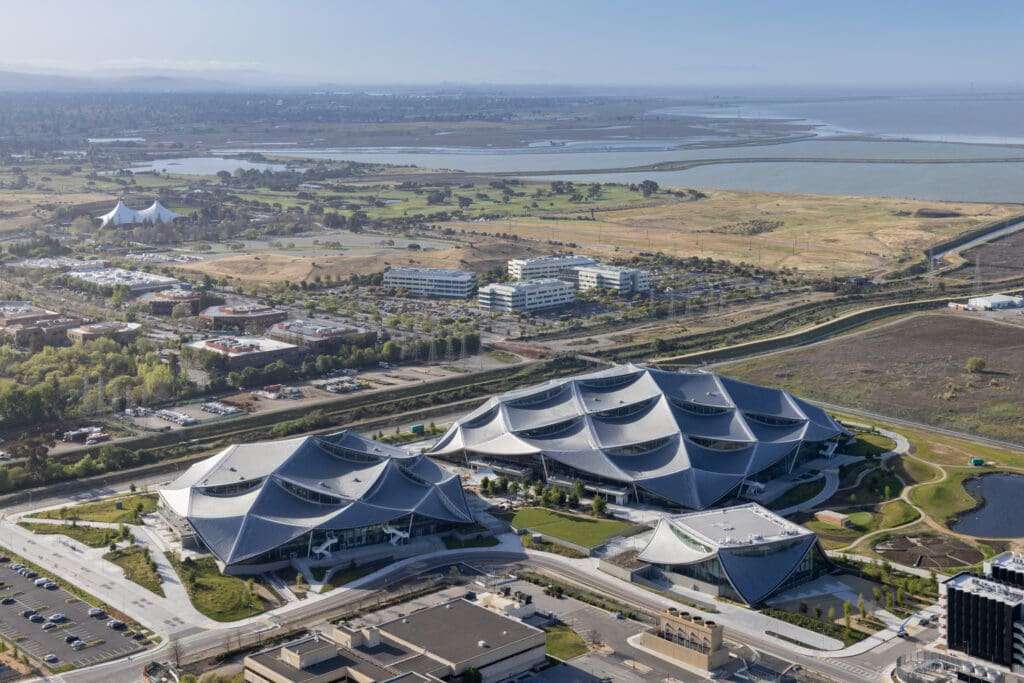
Bay View is Google’s first purpose built campus. Designed in collaboration with BIG and Heatherwick Studio, it brings together more than one million square feet of workspace organized around a simple idea: teams work best when the people they rely on are close by.
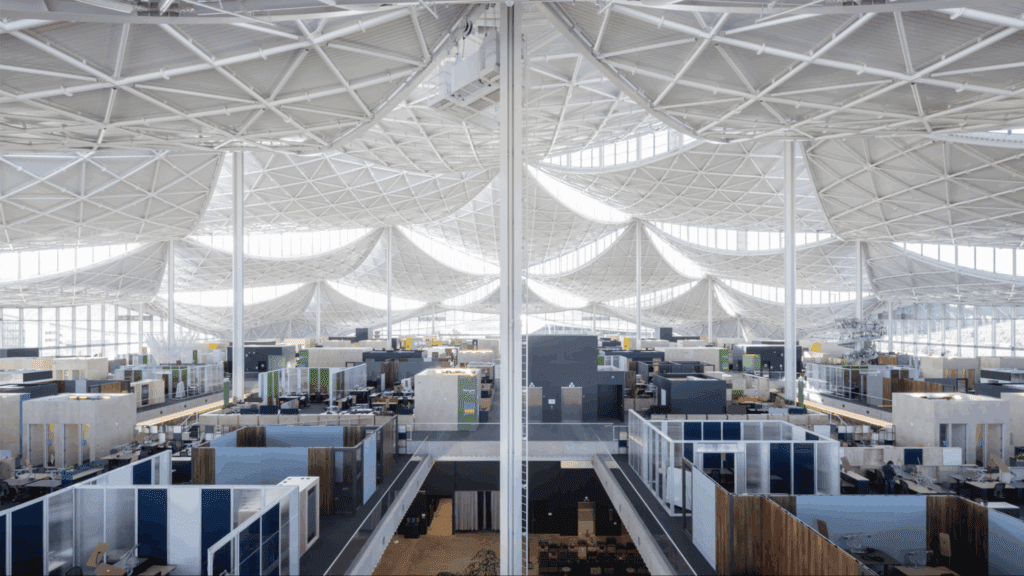
Instead of arranging space around functions or job titles, Google designed their offices around team neighborhoods. Related teams sit together in clearly defined zones. Focus areas and collaboration spaces are balanced within each neighborhood. Movement through the building is intentional, connecting teams without forcing constant interruption.
These boundaries are not aesthetic. They are operational. They make it obvious who belongs where and why.
Team Neighborhoods as an Operating Model
What makes Bay View particularly relevant is not the architecture itself, but the thinking behind it.
At its core, a team neighborhood is a set of rules:
- Which teams need to be close to each other
- When those teams need to be present together
- How shared space is used without creating friction
Google embedded those rules into the physical fabric of its campus.
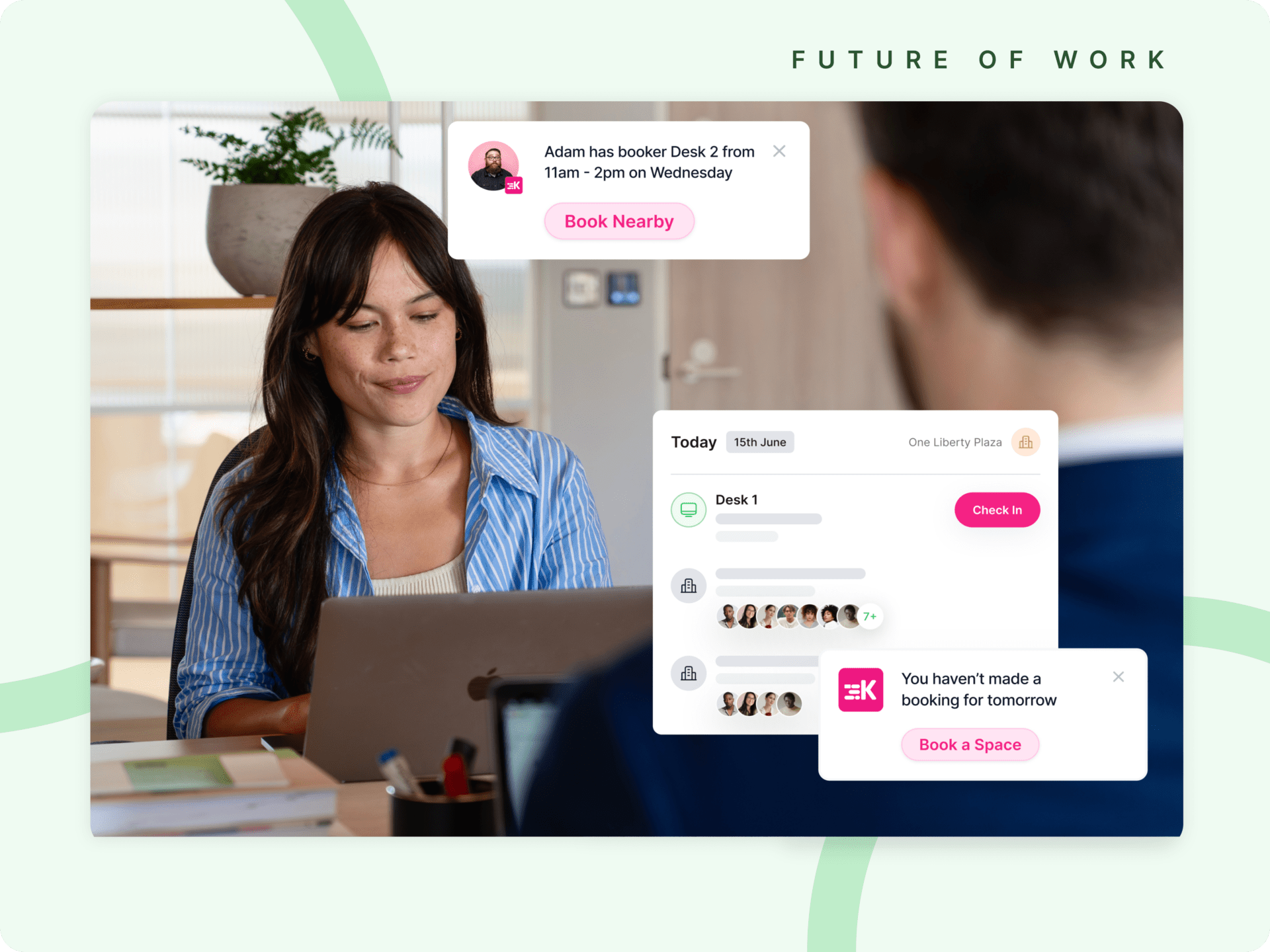
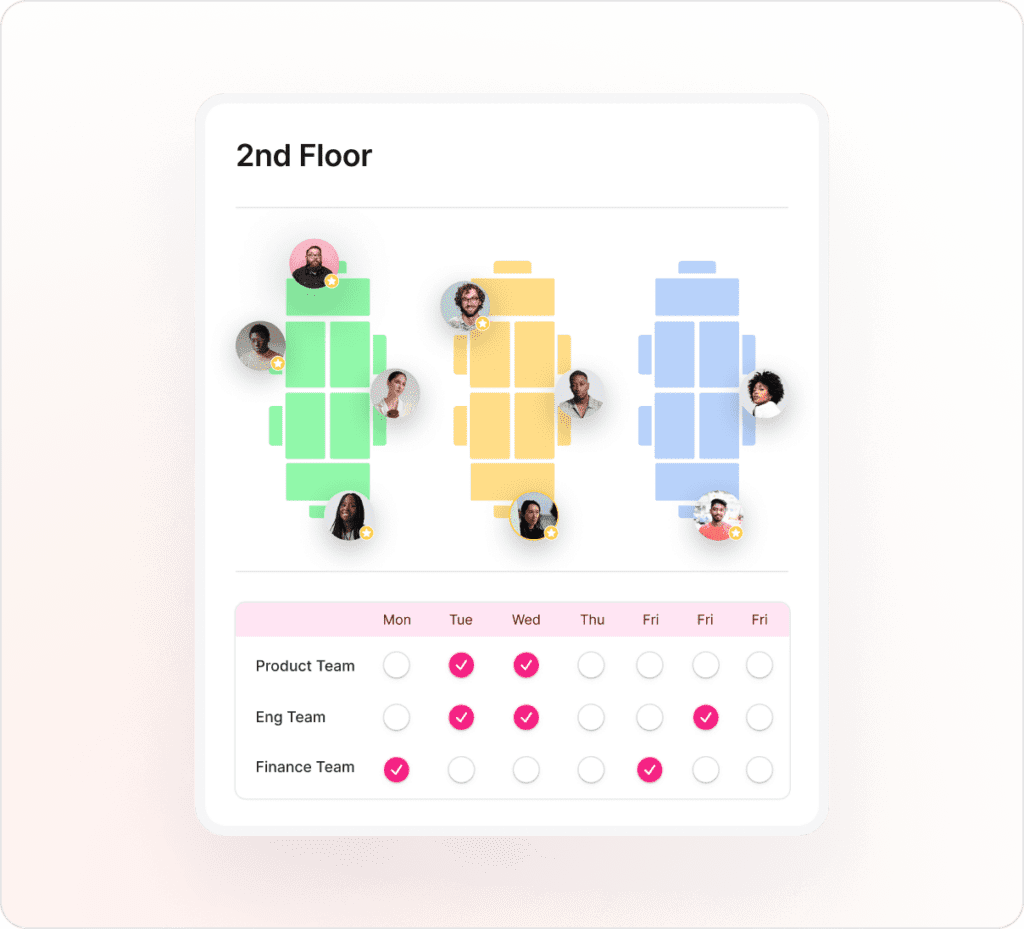
Kadence embeds the same thinking into software.
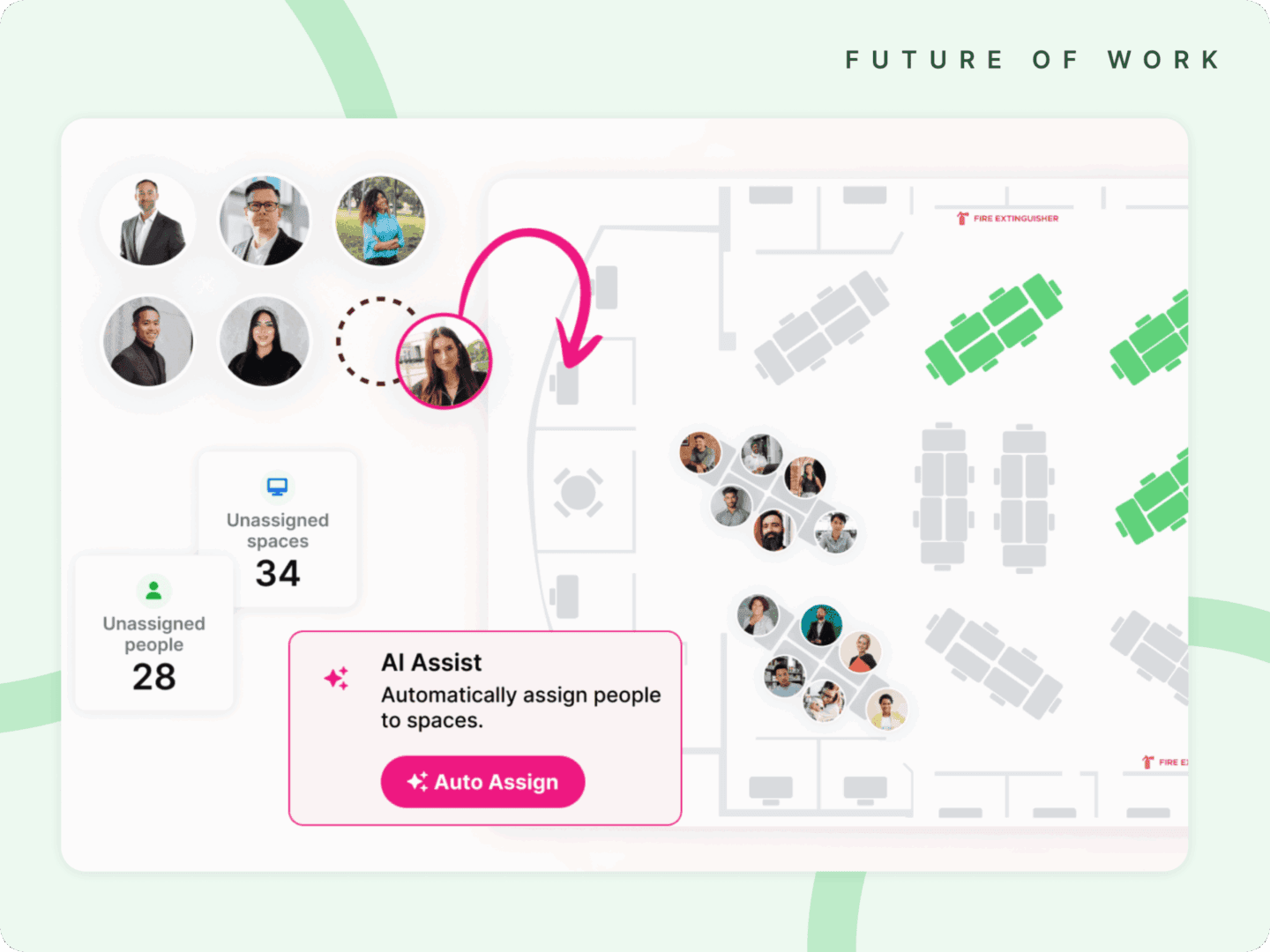
With Team Neighborhoods, organizations can define digital neighborhoods that mirror how teams actually work together. Those neighborhoods can be aligned to specific in office days, allowing leaders to load balance office traffic across the week rather than concentrating it by accident.
Teams come in together. Shared spaces are planned with intent. Overcrowding becomes predictable and manageable instead of chaotic.
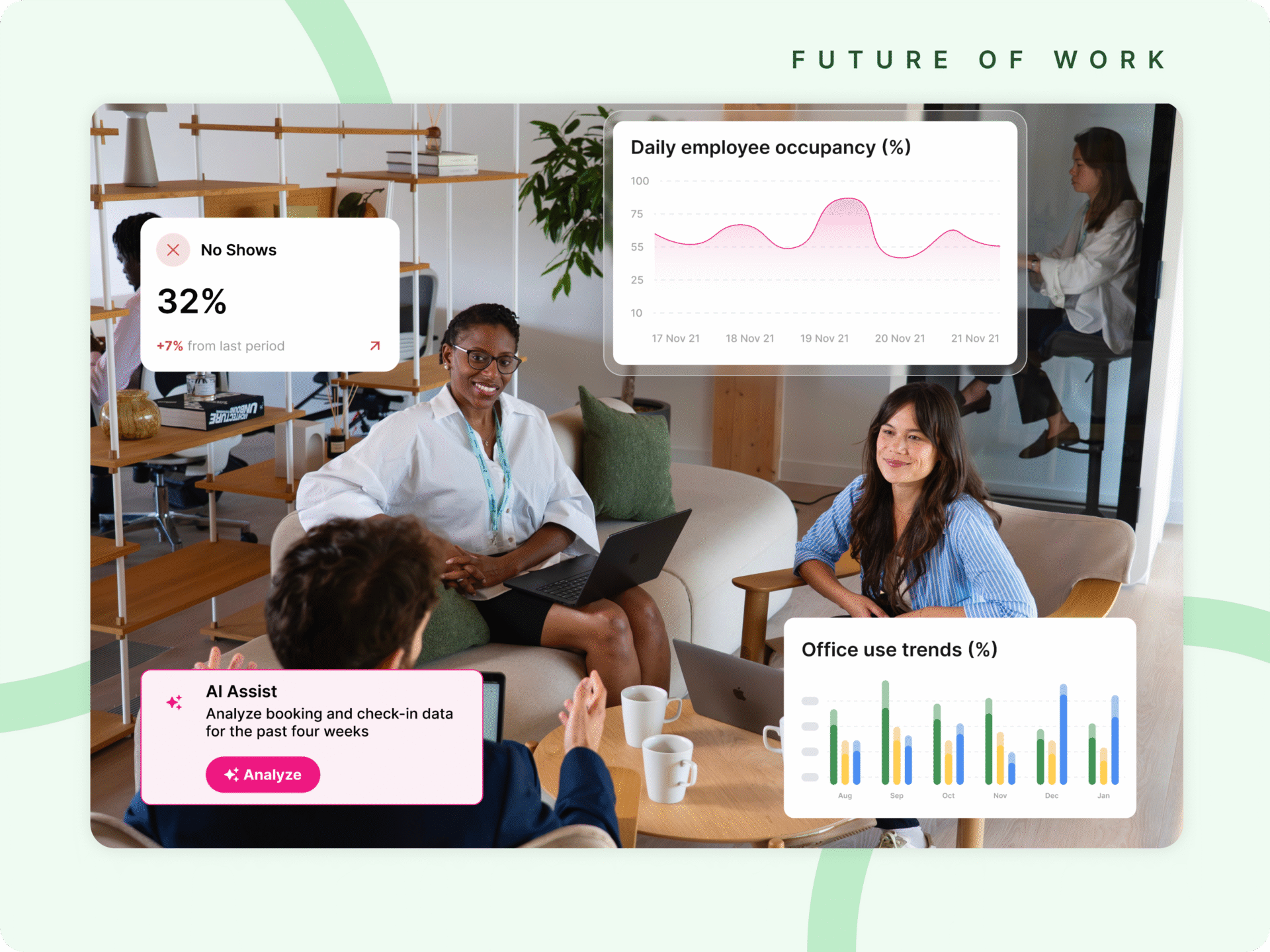
Because neighborhoods are connected to booking and attendance data, organizations can also plan resources more accurately. Meeting rooms, amenities, and even catering scale with real demand rather than assumptions.
This makes it possible to achieve Google level coordination without redesigning your office or disrupting teams every time priorities change.
Why This Works for Modern Work
In 2026, effective offices are not static. Attendance fluctuates. Projects evolve. Teams grow, shrink, and reorganize more frequently than ever.
Bay View works because it treats proximity as a performance lever. When teams that depend on each other are close, coordination happens naturally. Questions get answered faster. Onboarding improves. Collaboration becomes a default behavior rather than a scheduled event.
Google invested heavily in architecture to protect those relationships. Most organizations do not have that option. They operate in leased buildings with fixed layouts and hybrid patterns that shift week to week.
The need, however, is exactly the same.
From Neighborhood Design to Scenario Planning
Defining neighborhoods is only the starting point. The real challenge is understanding how those neighborhoods will perform as the business changes.
This is where Kadence SpaceOps comes in.
Kadence’s AI powered scenario planning allows leaders to instantly generate multiple what if scenarios and evaluate the impact of headcount growth, policy shifts, or organizational change before committing to action.
Teams can model growth or downsizing alongside lease constraints, test different neighborhood allocations across the week, and identify underused areas for reallocation. Instead of reacting to overcrowding or empty floors after the fact, leaders can see issues coming and adjust early.
This is the layer Google solved through years of planning and permanent construction. SpaceOps solves it continuously, using data.

What Google Teaches Us About Offices in 2026
The lesson from Bay View is not about solar canopies or beautiful interiors. It is about intent. The best offices are designed around relationships, not rows of desks. They anticipate how work actually happens and adapt as the organization evolves.
Google hard coded that capability into architecture. Kadence makes it operational.
Team neighborhoods, supported by scenario planning and real usage data, turn the workplace into a system that can flex without breaking. That is what effective workplace operations look like in 2026.
Book a demo with our workplace operations experts to see how Kadence helps you design, operate, and continuously improve team neighborhoods without resetting your office.