It’s 2026, and the workplace conversation has shifted.
The question is no longer whether the office matters, whether hybrid work is permanent, or whether employees want flexibility. Those debates are largely settled. What remains unresolved is far more practical: how to operate the workplace so it actually works for the organization and the people inside it.
For many enterprises, the problem is not a lack of data or effort. It is fragmentation. Workplace decisions are still being made in silos, with attendance discussed separately from space, collaboration discussed separately from operations, and real estate treated as a fixed asset rather than a living system.
The organizations pulling ahead in 2026 are doing something different. They are treating the workplace as an operational discipline.
The Office Is No Longer a Place. It Is a System.
In the past, offices were designed and then largely left alone. Headcount drove capacity. Policies set expectations. Utilization was reviewed periodically.
That model no longer holds.
Today’s workplace is dynamic. Demand changes by day. Teams coordinate presence rather than simply showing up. Collaboration clusters around specific moments rather than happening continuously. Space is under pressure some days and underused on others.
Employees experience the workplace as a system. When it works, days feel intentional and productive. When it breaks down, friction shows up immediately.
This is why workplace operations has become the defining capability for enterprises in 2026. Without it, even well-intentioned strategies fail in execution.
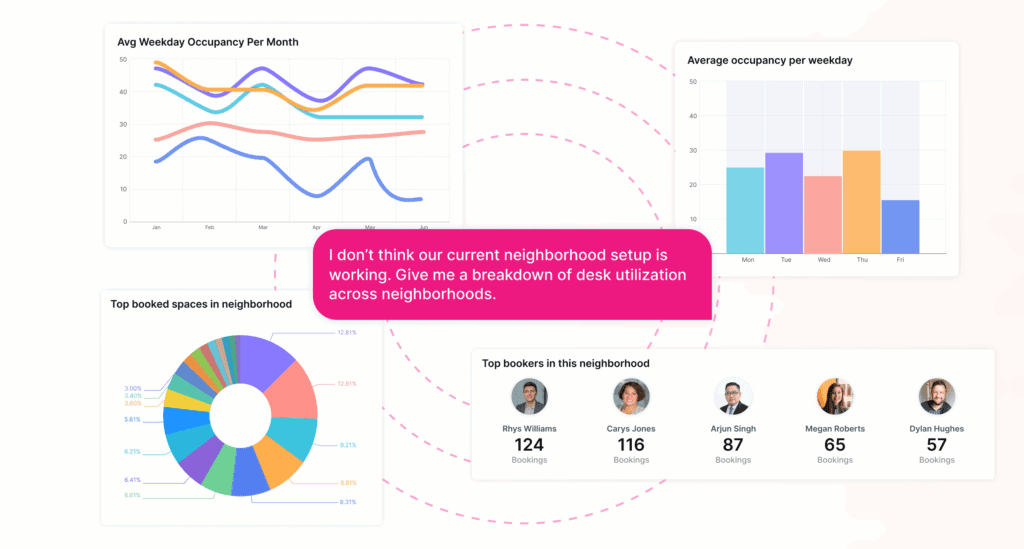
What Employees Are Responding to Now
Employees in 2026 are not responding to mandates or messaging. They are responding to experience.
They come into the office when it is predictable, coordinated, and worth the time. They avoid it when days feel disorganized, crowded, or low value. This is not resistance. It is rational behavior.
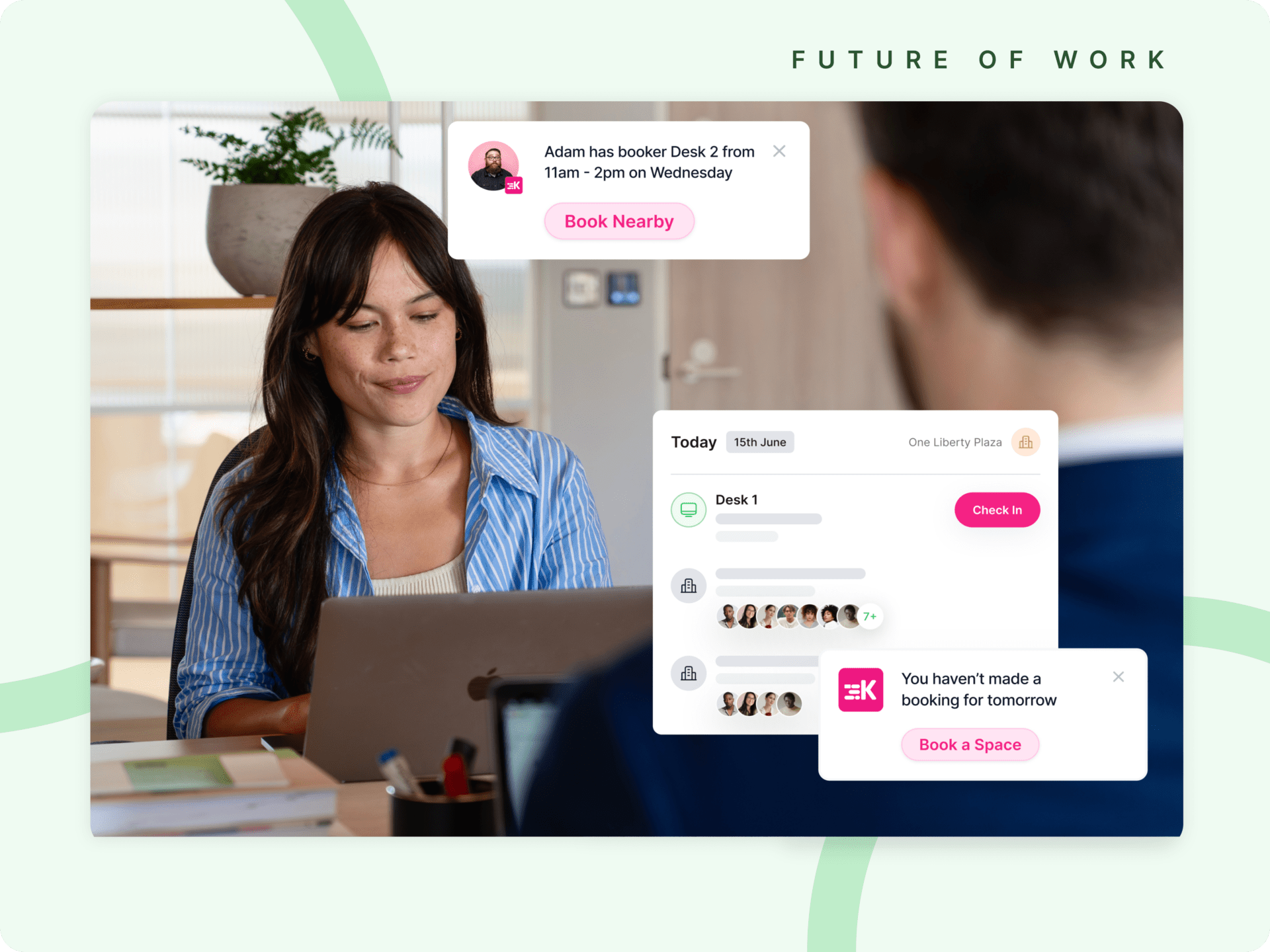
Organizations that invest in workplace operations remove uncertainty. Employees can see when their teams will be together. They can trust that space will support the work they plan to do. They do not have to gamble on whether an in-office day will be worthwhile.
Presence becomes a choice rather than an obligation.
Why Attendance Patterns Matter More Than Policies
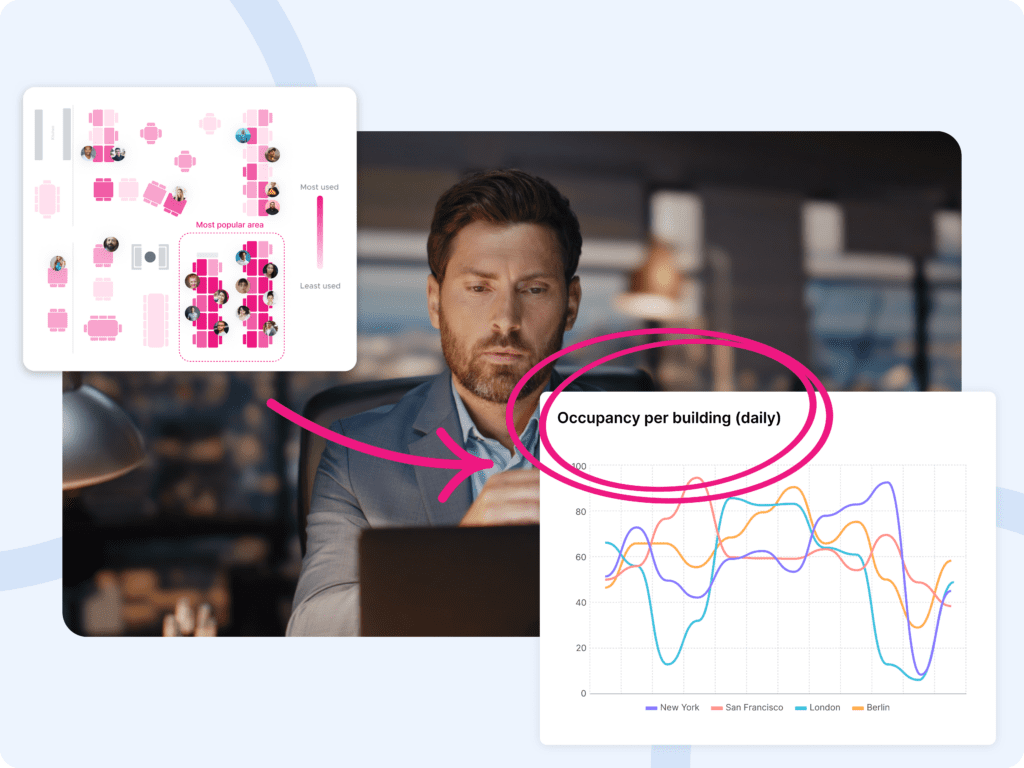
Most enterprises now accept that attendance will never be evenly distributed. Midweek peaks and quieter edge days are not anomalies. They are signals.
Busy Tuesdays tell you when collaboration matters most. Empty Fridays tell you where space is consistently underused. Together, these patterns reveal how work actually happens, not how it was expected to happen.
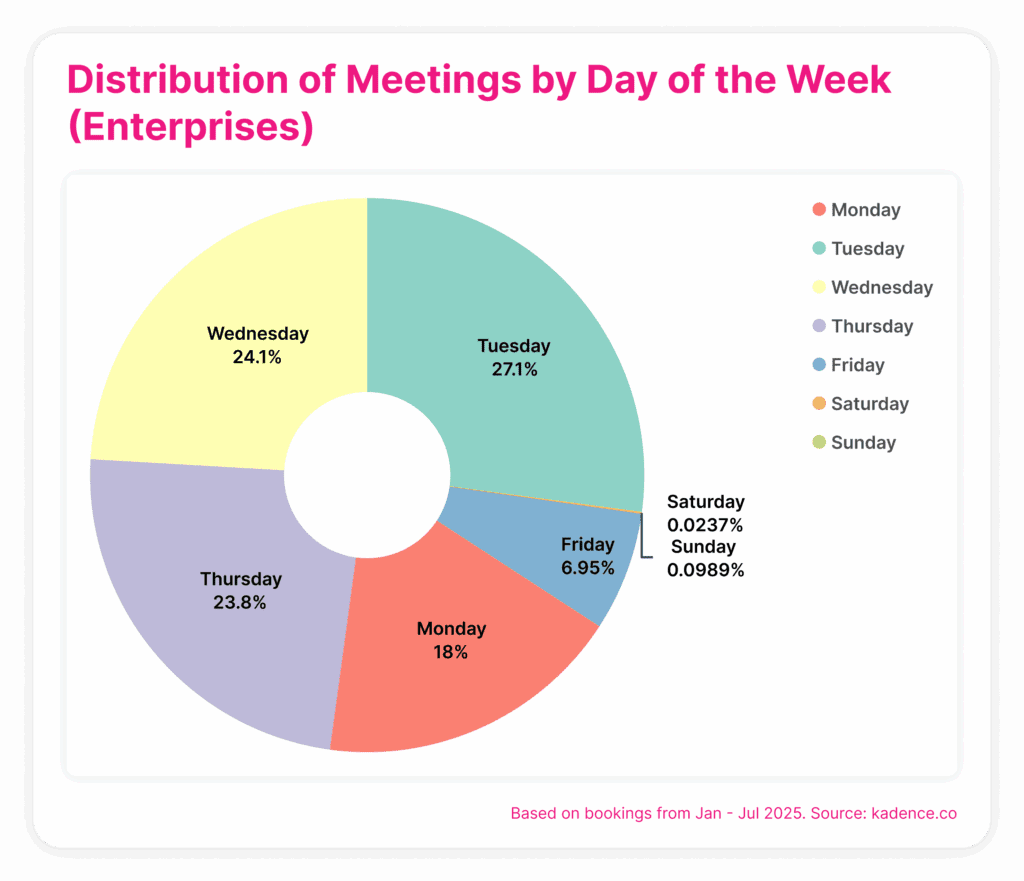
The mistake many organizations still make is trying to flatten these patterns rather than learning from them. Spreading attendance without changing coordination creates low-value office days. Ignoring quiet days leads to wasted space and unnecessary cost.
Workplace operations turns these patterns into insight. Leaders can design for peak demand, right-size for persistent underuse, and stop treating uneven attendance as a failure to be fixed.
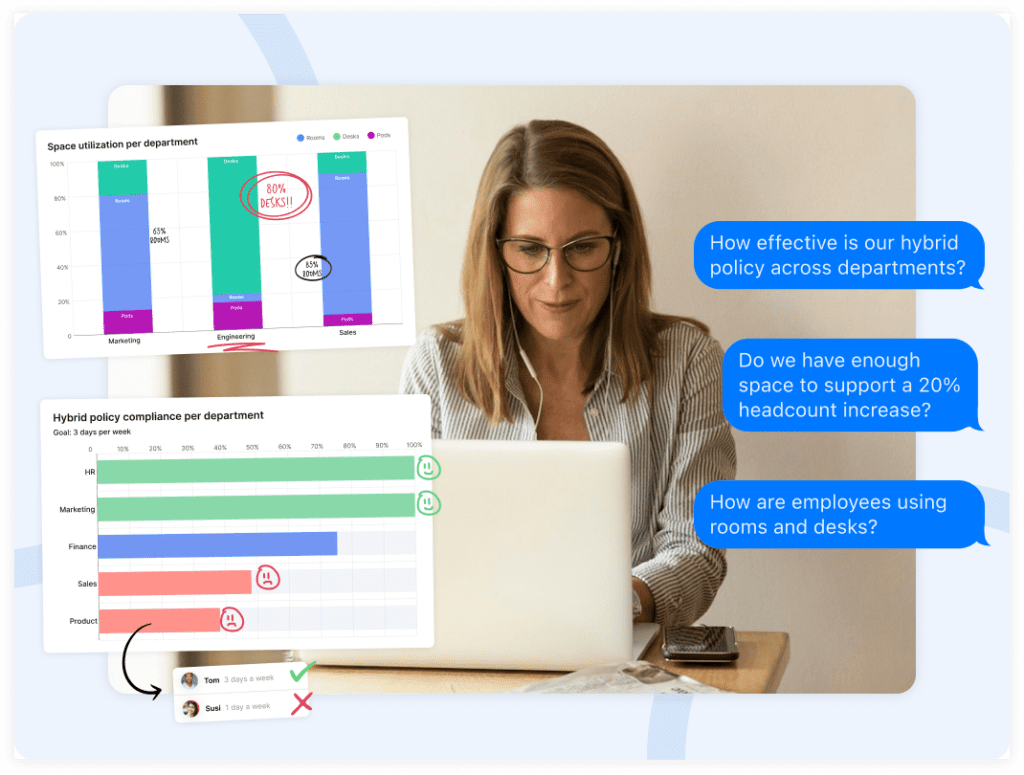
Right-Sizing Is a Confidence Problem, Not a Math Problem
By 2026, most CFOs know they can reduce office space. What stops them is uncertainty.
Utilization data alone does not answer how much space is actually needed. High peak-day demand and low average usage send mixed signals. Long-term lease decisions feel risky without a clear view of behavior over time.
Organizations that have confidence in their space decisions do not rely on snapshots. They rely on operational visibility. They understand when space is critical, when it is optional, and when it can be safely reduced.
Right-sizing becomes an ongoing process, not a one-time project.
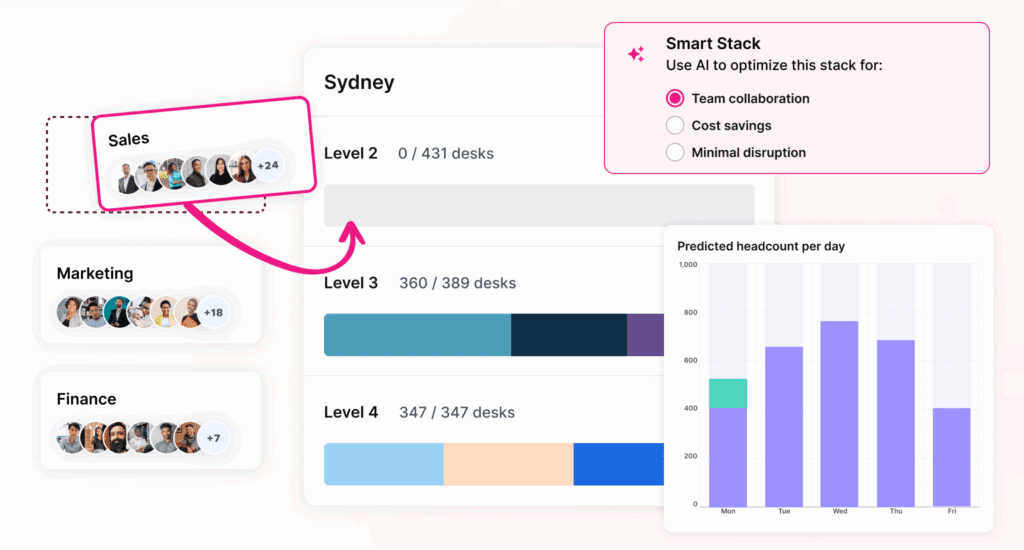
Collaboration Can Be Measured, Responsibly
Collaboration has long been treated as something that cannot be measured without becoming intrusive. That assumption no longer holds.
In 2026, collaboration shows up in behavior. It appears in overlap, meeting structure, coordinated presence, and repeated patterns. These signals can be observed without monitoring individuals.
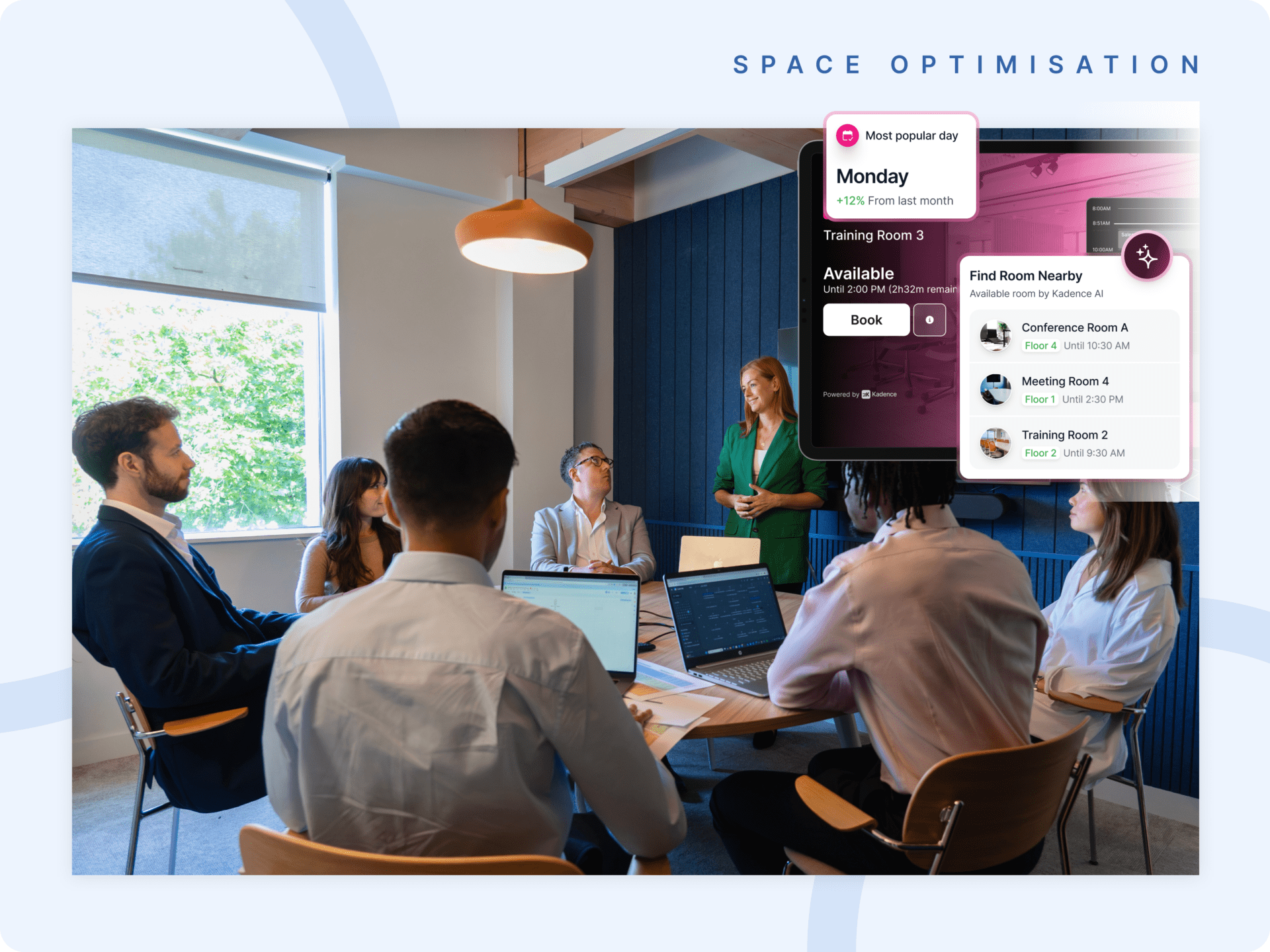
Workplace operations data allows leaders to see whether collaboration is being enabled or unintentionally blocked. They can understand whether teams are coming together, whether space supports those moments, and whether the office is being used for the work that justifies it.
This shifts collaboration from a sentiment to a system that can be supported deliberately.
The Workplace Decisions That Matter in 2026
The enterprise workplace playbook for 2026 is not a list of policies. It is a set of operational questions leaders must be able to answer:
- When does in-person work create the most value?
- Where is space under pressure, and where is it consistently underused?
- How do teams actually coordinate their presence?
- Which locations and days justify investment?
- What can be reduced without harming collaboration or performance?
Organizations that can answer these questions do not guess. They operate with clarity.
How Workplace Operations Enables Better Decisions
Workplace operations connects people, space, and time.
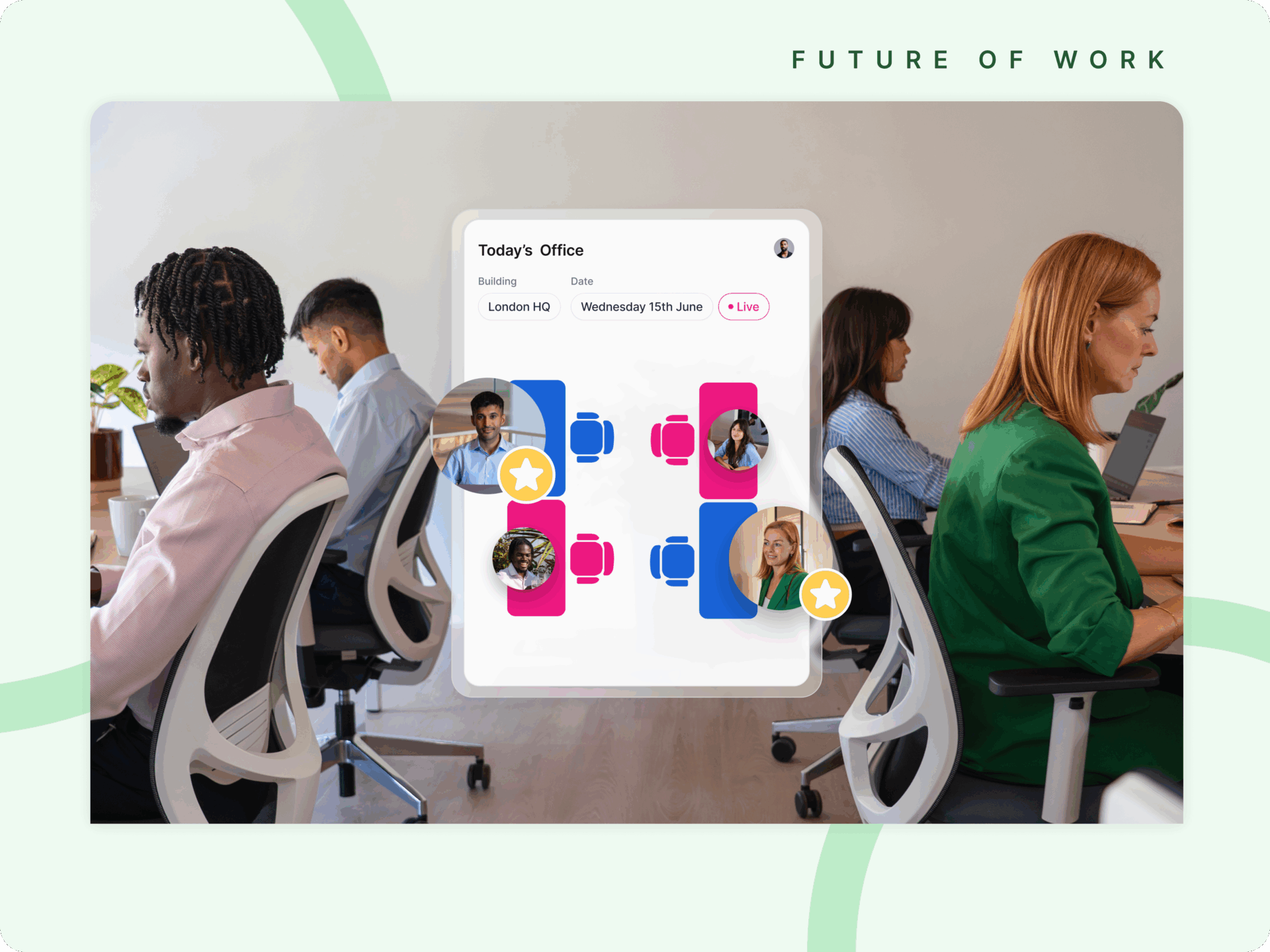
By bringing together attendance signals, booking behavior, and real usage patterns, leaders gain a continuous view of how the workplace is actually functioning. They can see change as it happens, test assumptions safely, and make decisions that stand up to scrutiny.
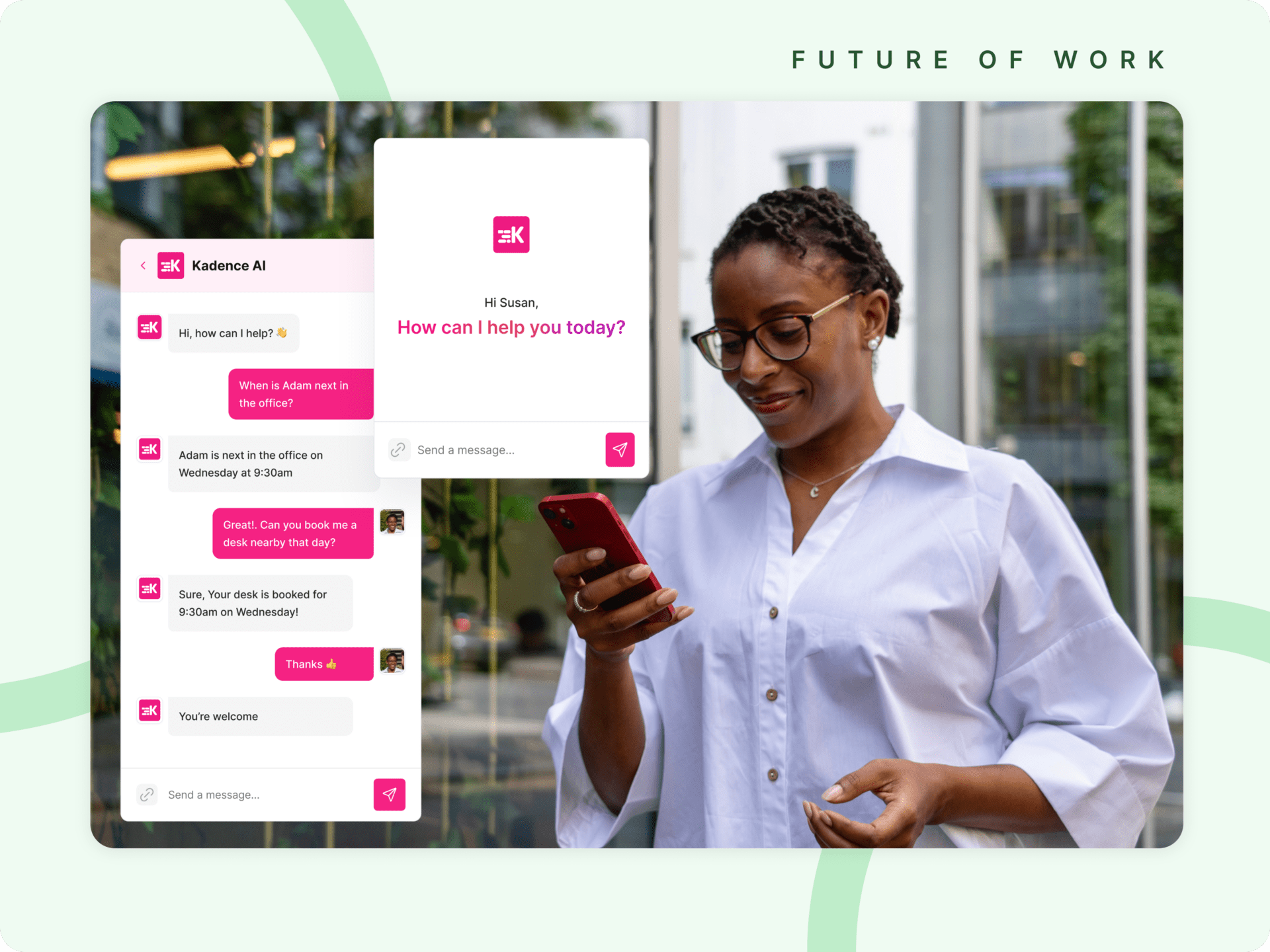
Kadence supports this approach by turning everyday workplace activity into operational insight. Not to control behavior, but to understand it. Not to chase utilization, but to align space with real demand.
The result is not just a better office. It is better decision-making.
The Workplace Advantage in 2026
By 2026, the workplace is no longer a background function. It is a competitive advantage.
Organizations that treat it as such are not louder about their policies. They are quieter and more confident about their operations. Their offices feel easier to use. Their space decisions feel intentional. Their employees trust that coming in will be worth it.
This is what the enterprise workplace playbook looks like now.
If you want to understand how workplace operations can help your organization make better decisions about space, presence, and collaboration, book a demo with our workplace operations experts.