Every office represents a balancing act between cost and capacity. Too much space, and money is wasted on empty desks. Too little, and productivity stalls as employees compete for rooms and resources.
For CFOs and real estate leaders, getting this balance right has never been more important. Hybrid work has made office use unpredictable, yet leases, utilities, and maintenance remain fixed costs. That means capacity planning is no longer about square footage alone. It is about financial foresight.
Modern capacity planning for offices brings together data, forecasting, and scenario modeling to align space with real business demand, ensuring organizations make confident, cost-effective decisions in an uncertain world.
What Capacity Planning Means
Capacity planning for offices is the process of determining how much workspace an organization needs to support its people, operations, and growth. It connects workforce forecasts, attendance patterns, and portfolio data to identify the right amount of space for every location.
At its core, capacity planning answers three key questions:
- How much space do we have, and how is it being used?
- How will policy or headcount changes affect that use?
- When should we scale up, consolidate, or redesign?
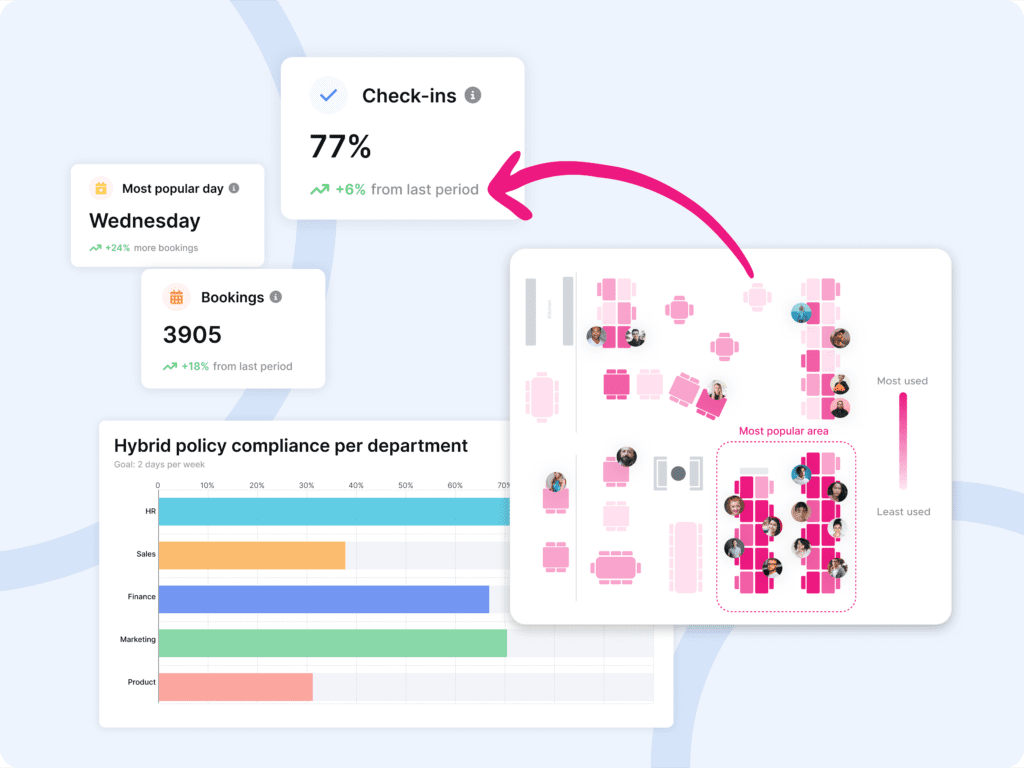
Unlike traditional occupancy reports, modern capacity planning models both the present and the future helping leaders plan ahead rather than react.
Why It Matters In 2025
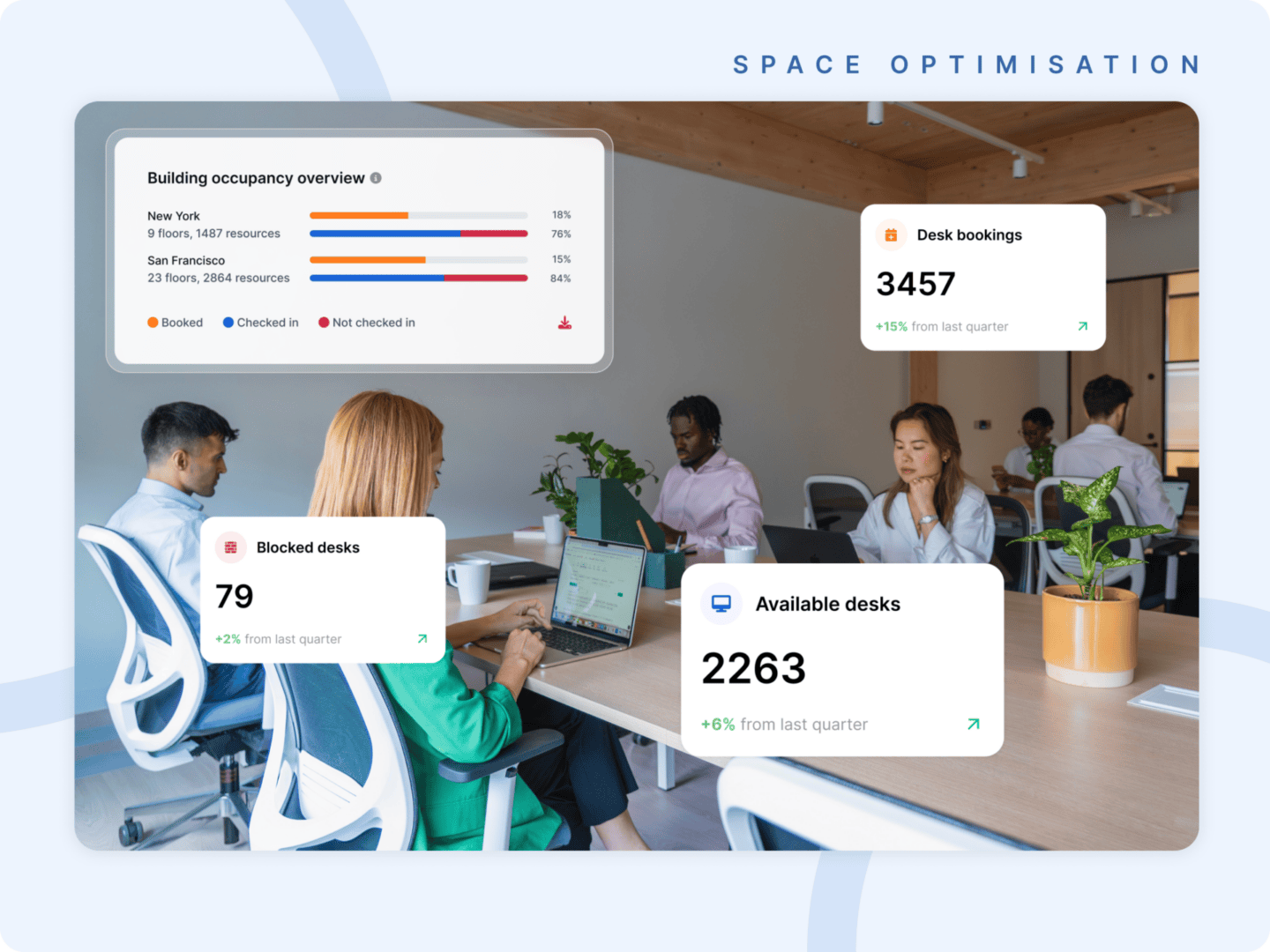
The financial impact of office capacity has grown sharper since the shift to hybrid work. Kadence data shows that average office utilization remains between 20 and 40 percent, meaning millions of square feet worldwide sit underused each week. At the same time, property, energy, and facilities costs continue to climb.
CFOs now view real estate not as a fixed asset but as a flexible lever for cost optimization. Each square foot must justify its existence, and capacity decisions must align directly with business outcomes.
Without accurate planning, organizations risk two extremes: overcapacity that drains budgets or undercapacity that hinders collaboration. The cost of either can stretch into the millions over the life of a lease.

The Elements Of Effective Capacity Planning
Smart capacity planning blends data, modeling, and governance. It requires collaboration between Finance, Real Estate, HR, and Workplace teams. The process typically includes:
- Baseline Measurement. Tracking current occupancy, attendance, and portfolio utilization.
- Demand Forecasting. Using hiring projections and hybrid policies to predict future space needs.
- Scenario Testing. Modeling multiple outcomes, such as growth, consolidation, or relocation.
- Financial Analysis. Comparing the cost and ROI of each scenario to identify optimal strategies.
- Implementation and Review. Translating chosen scenarios into portfolio adjustments and monitoring performance over time.
The outcome is a forward-looking view of space needs, supported by financial data and organizational intent.
The Risks Of Traditional Approaches
Many organizations still manage capacity through static spreadsheets or outdated IWMS systems that provide historical data but little foresight. These tools show what happened last month, not what could happen next quarter.
Static models cannot account for hybrid attendance fluctuations or organizational changes in real time. As a result, leaders often rely on rough estimates when making multimillion-dollar lease or redesign decisions.
The result is reactive management. Space sits idle while costs remain fixed. New policies roll out before the office is ready to support them. Without predictive modeling, every capacity decision becomes a gamble.
The Shift To Predictive And Dynamic Capacity Planning
Modern capacity planning replaces guesswork with precision. By combining live occupancy data, booking insights, and financial modeling, organizations can test multiple futures and see the full cost implications before acting.
Predictive tools reveal:
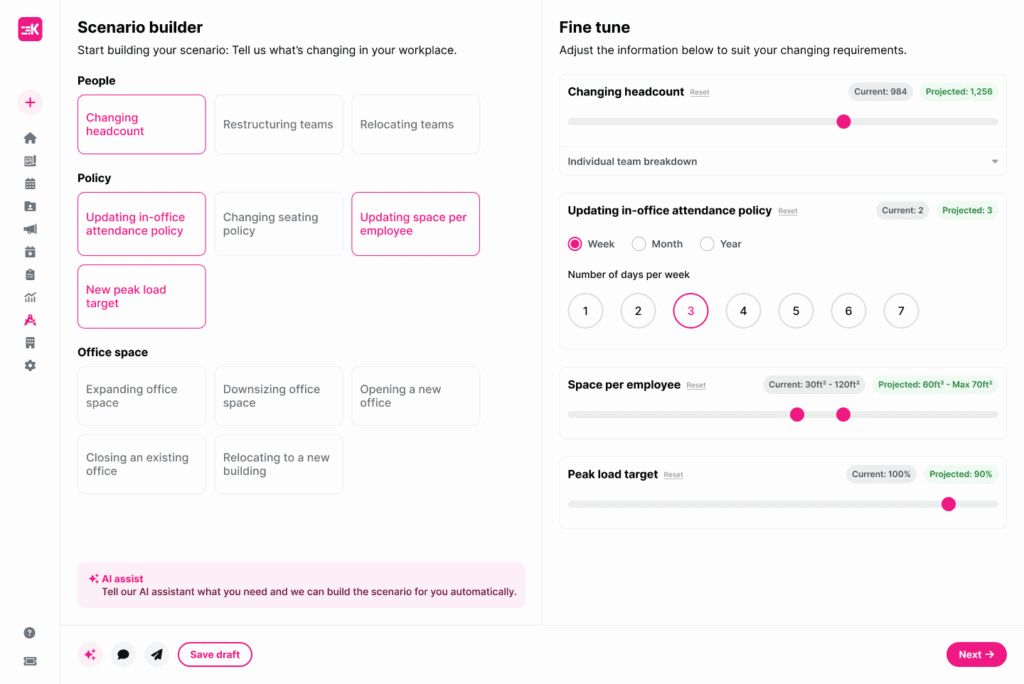
- How a 10 percent headcount increase will affect capacity at each site.
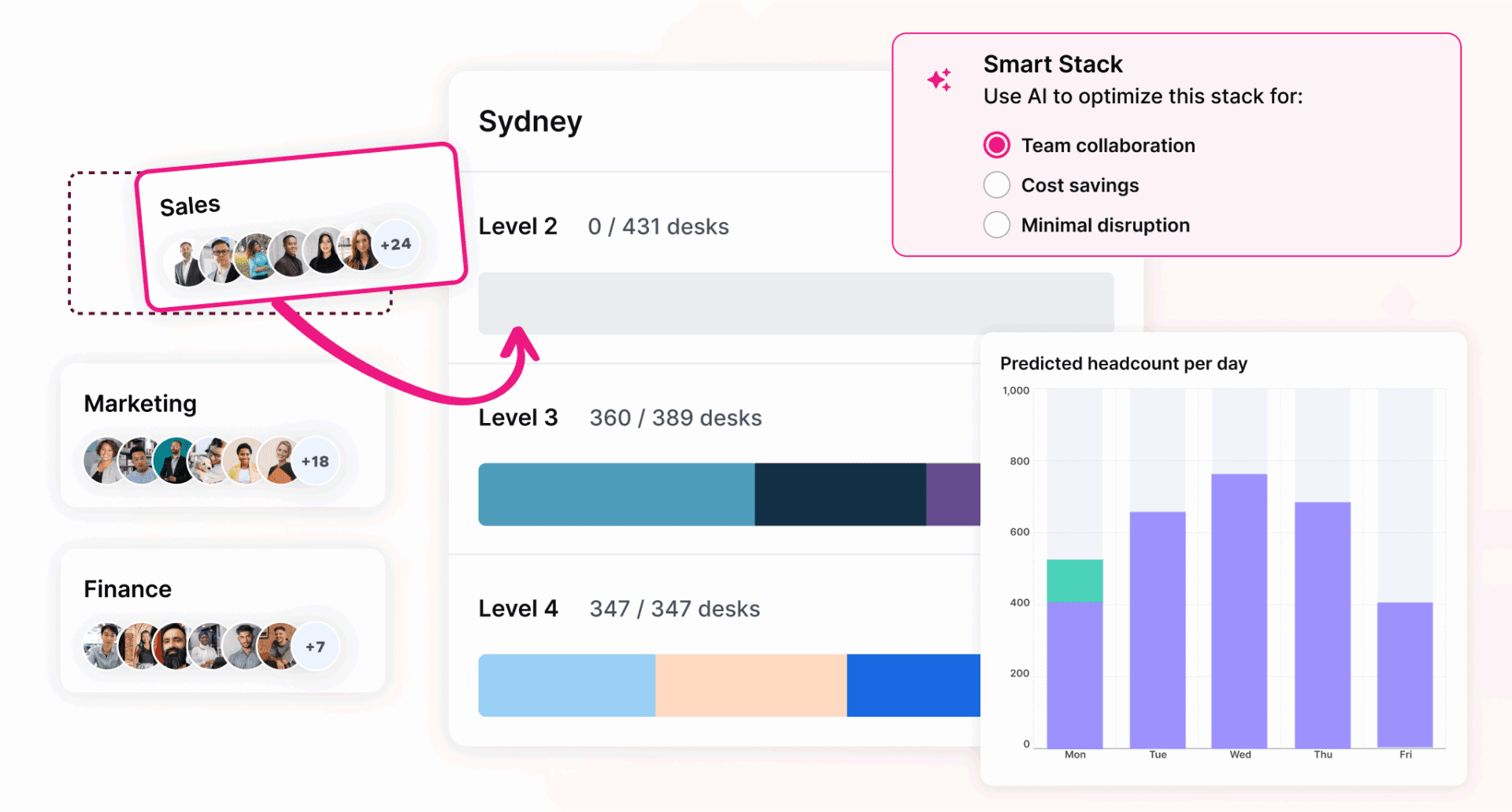
- Whether consolidating floors will still meet policy requirements.
- How attendance patterns impact energy and maintenance costs.
This is not simply data collection. It is the use of intelligence to ensure that every square foot performs in line with the company’s financial and cultural goals.
How Kadence SpaceOps Supports Capacity Planning
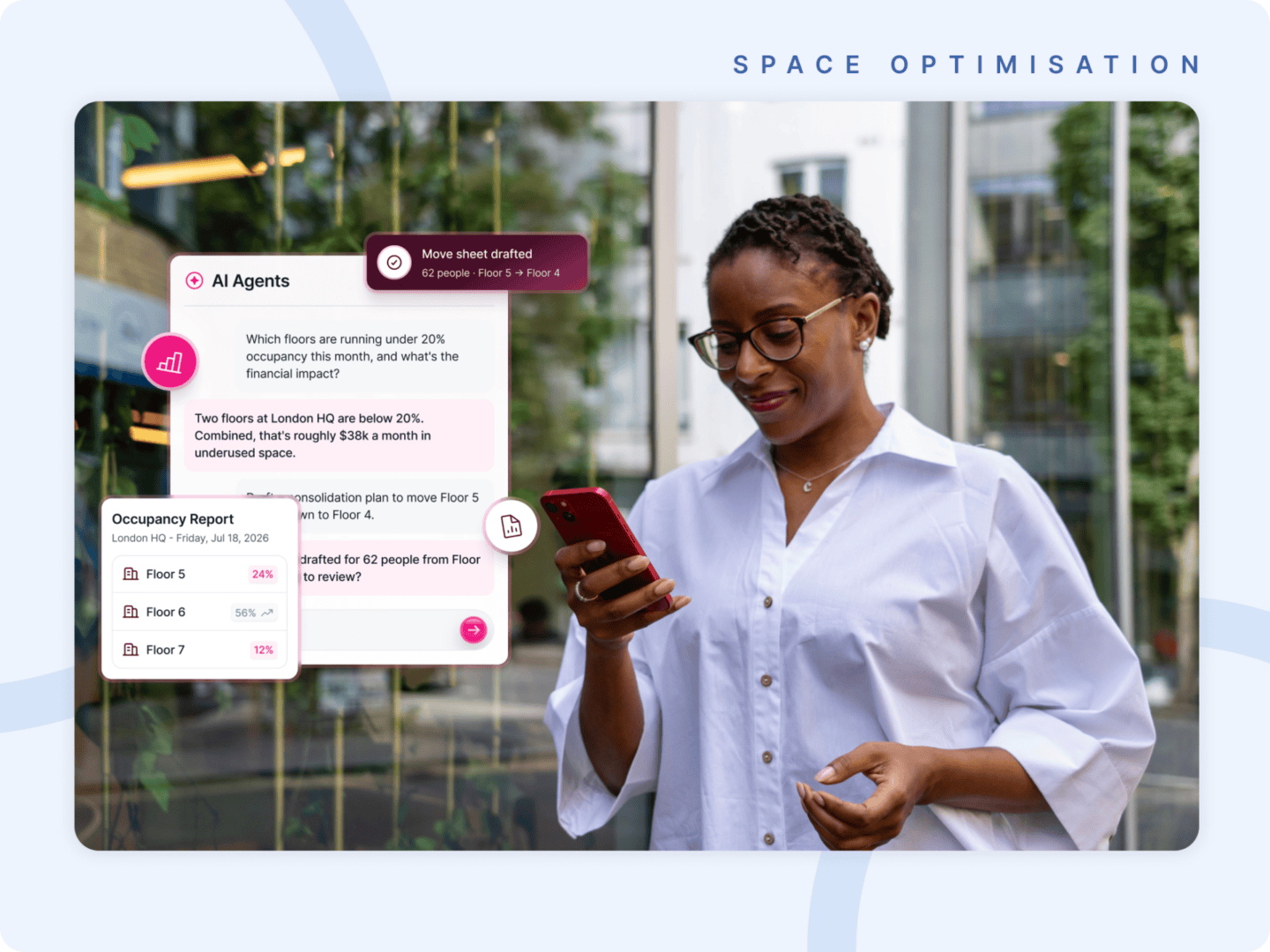
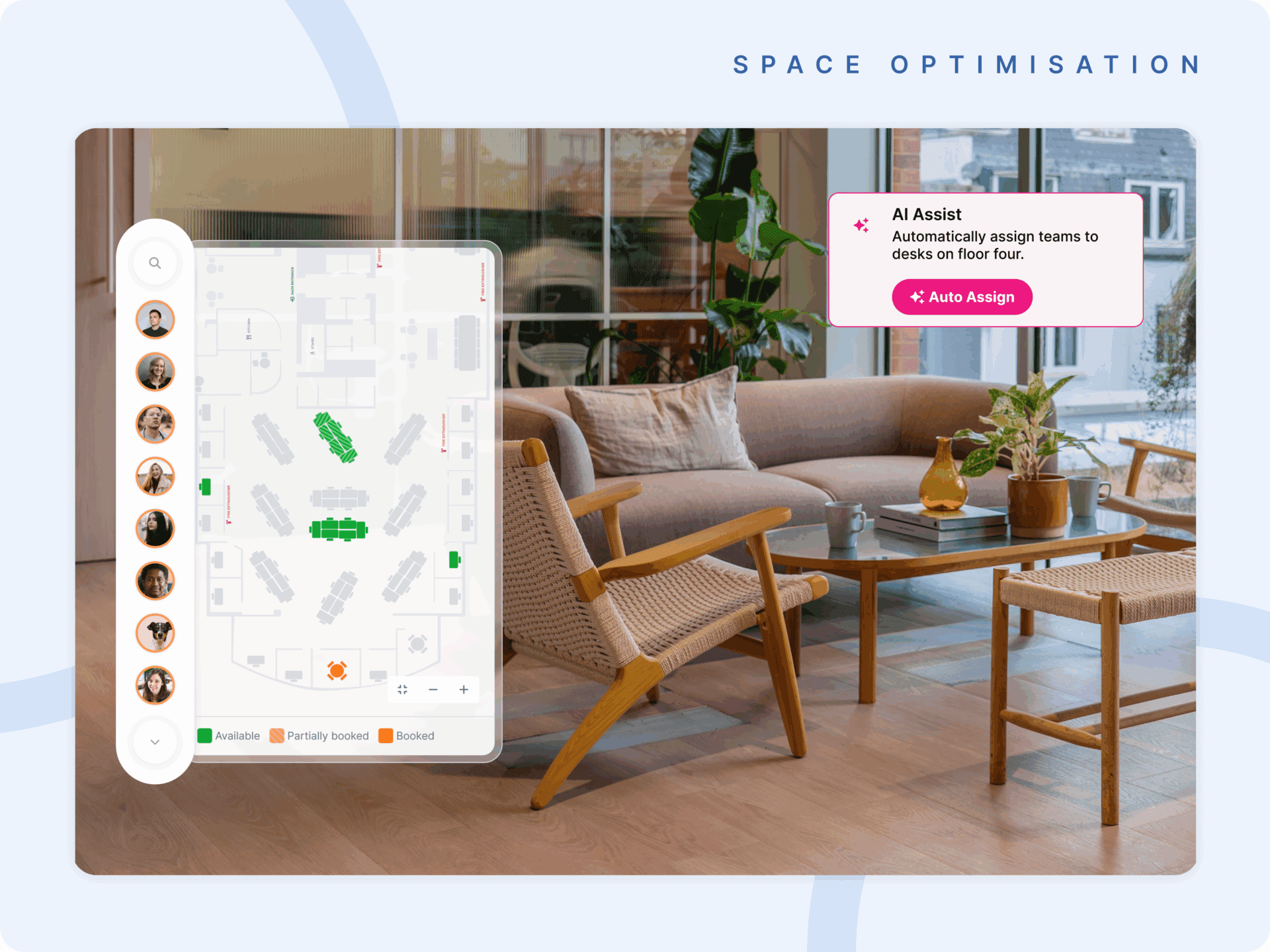
Kadence SpaceOps brings financial and operational clarity to capacity planning. It connects real-time occupancy data with AI forecasting so leaders can model, test, and optimize office capacity decisions in one platform.
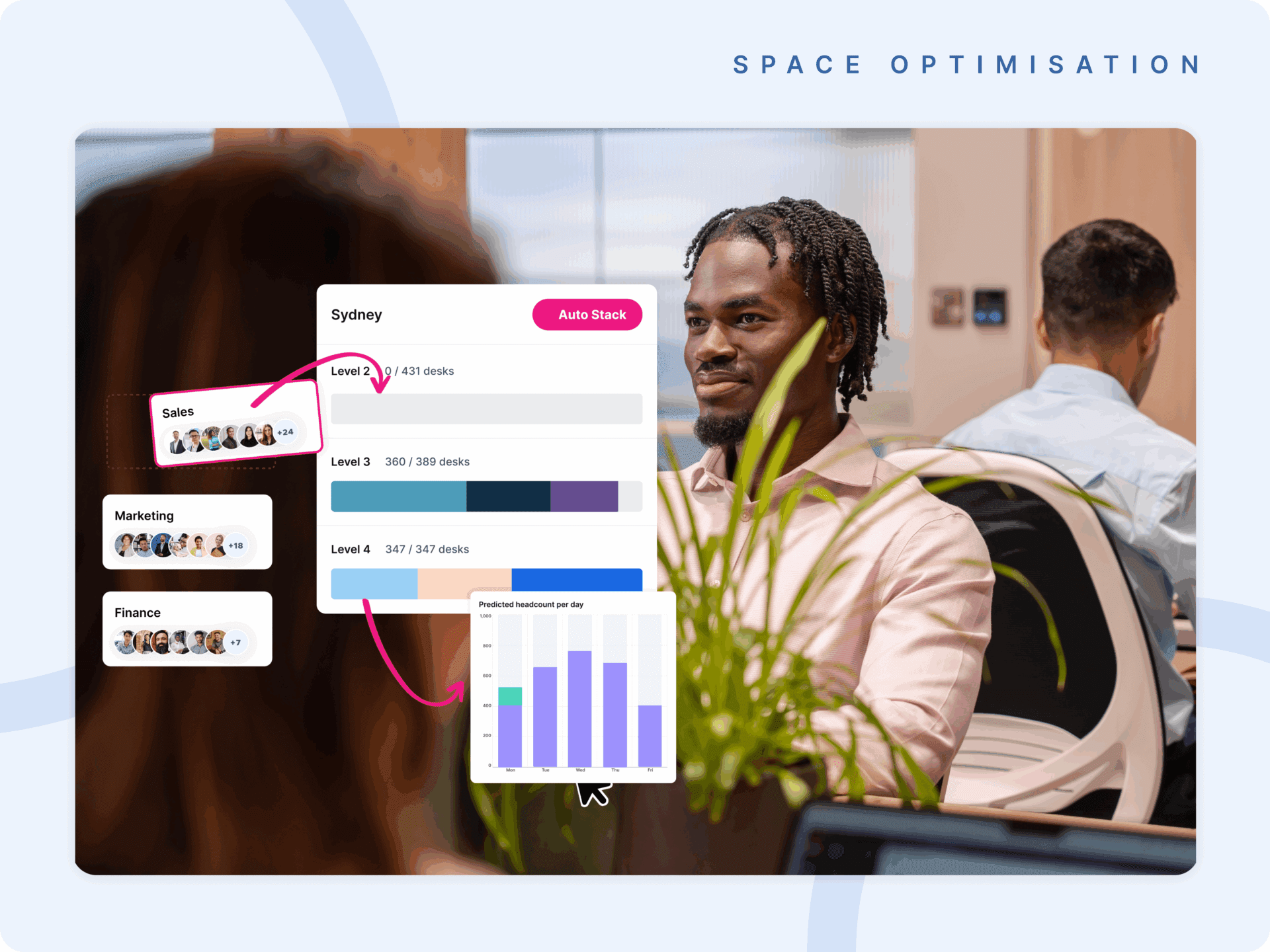
With AI-powered Scenario Planning and Dynamic Stack Planning, SpaceOps enables organizations to:
- Forecast space demand under new policies or headcount scenarios.
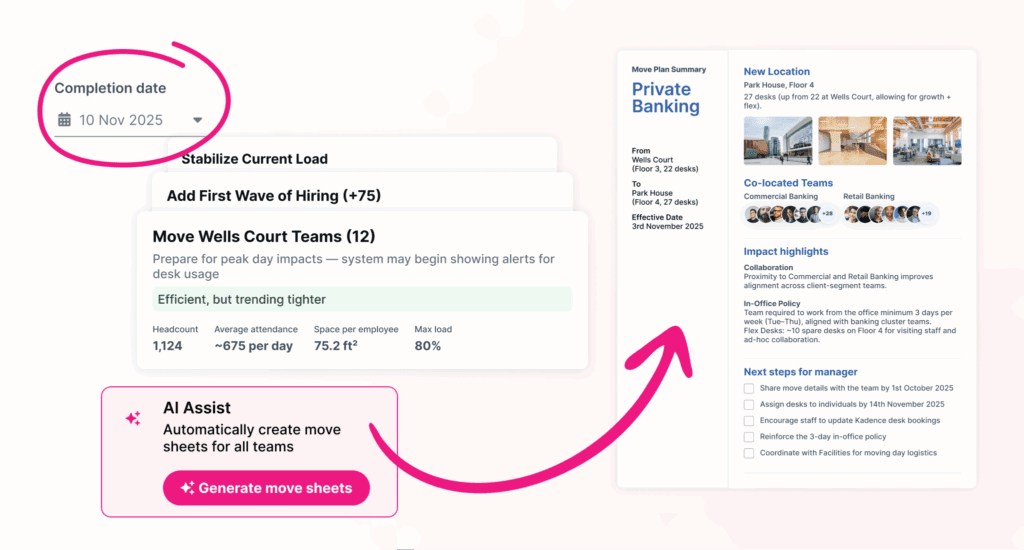
- Simulate cost outcomes across different configurations or locations.
- Visualize building and floor layouts in real time to identify excess or constrained capacity.
- Create financially defensible plans that link space utilization directly to business performance.
By integrating modeling and execution, SpaceOps gives CFOs and real estate teams a single, trusted view of how workplace capacity aligns with cost and strategy.
Why Capacity Planning Creates Business Advantage
For CFOs, it provides a data-driven foundation for financial planning. For Real Estate and Workplace leaders, it offers operational agility — the ability to adapt quickly as teams grow, policies evolve, or leases expire.
Accurate capacity planning directly impacts the bottom line. It reduces waste, improves forecasting accuracy, and helps organizations avoid long-term liabilities.
Organizations that continuously model and monitor capacity can act with confidence, making strategic real estate decisions that support both cost savings and employee experience.
For further reading, see JLL’s research on optimizing corporate real estate portfolios.
Frequently Asked Questions
1. What is the main goal of capacity planning for offices?
The goal is to align space supply with workforce demand, ensuring the organization has the right amount of space to support operations efficiently and cost-effectively.
2. How often should capacity planning be reviewed?
Ideally, capacity plans should be updated quarterly or whenever significant shifts occur in headcount, attendance, or corporate strategy.
3. What data sources are most important for capacity planning?
Key inputs include occupancy data, booking and attendance patterns, workforce forecasts, and lease commitments. Together, they provide a complete picture of space performance and demand.
4. How does Kadence SpaceOps enhance capacity planning?
SpaceOps connects live occupancy insights with predictive modeling, helping leaders simulate outcomes, validate decisions, and create financially defensible plans.
Final Thought
Capacity planning has evolved from a back-office exercise into a strategic discipline. It connects people, policy, and cost into one operational picture, ensuring every space decision is both efficient and evidence-based.
Kadence SpaceOps empowers organizations to plan proactively — balancing growth with financial responsibility, and turning uncertainty into opportunity.
Book a demo with our workplace operations experts to see it in action.