If you run workplace operations, you have probably lived the defining contradiction of your real estate. The booking system says every decent room is taken, yet the floor tells a different story. Doors are closed on “occupied” rooms that are visibly empty, while teams lose time circling for somewhere to meet.
That gap is not a UX issue. It is a real estate tax that compounds across your portfolio, because it quietly inflates demand, erodes employee trust, and pushes leadership toward the wrong decisions.
The underlying issue is simple. Most organizations measure meeting rooms by calendar intent, not by reality.
The Meeting Room Is Lying to You
A reservation is intent. It is not proof of use.
When “booked” is treated as “used,” utilization becomes a narrative rather than an operational fact. That is how organizations end up funding more collaboration space while employees still struggle to find it.
This also creates an executive credibility problem. If your reporting is built on bookings rather than confirmed use, you cannot confidently answer the questions that matter most: is the portfolio constrained, or is availability being artificially blocked?
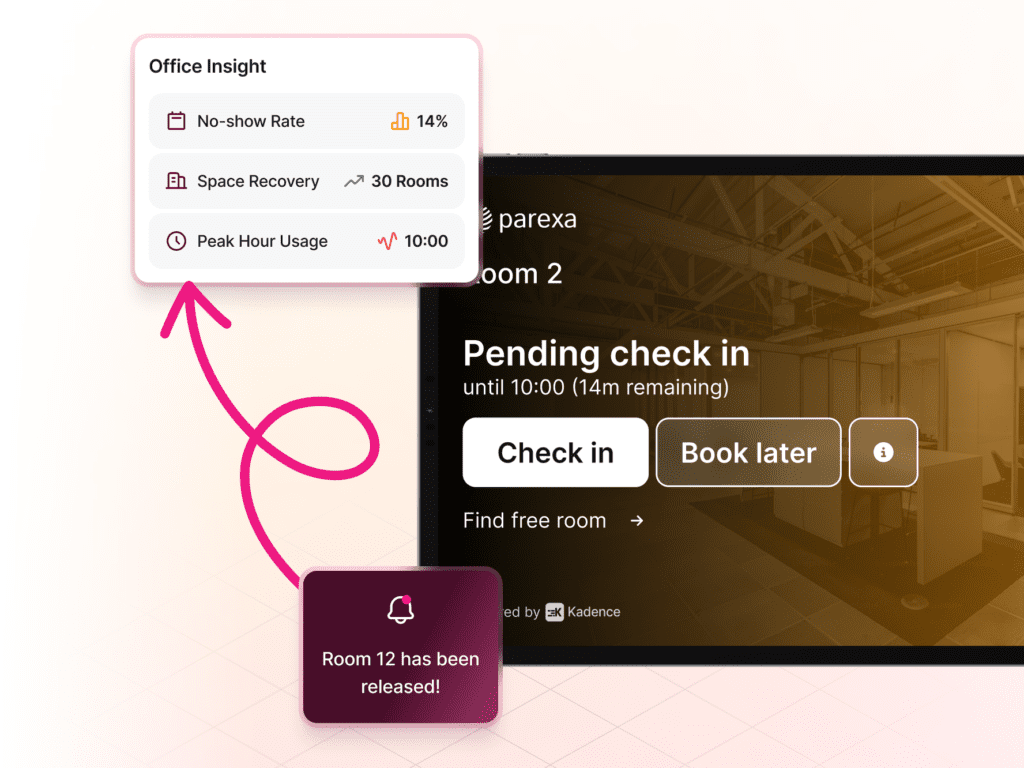
The Hidden Cost of Ghost Meetings
Ghost meetings show up as no-shows, meetings that end early but never release time, and recurring holds that outlive the work they were created for. They all do the same thing: they lock capacity without producing value.
You pay for this in three places:
- Availability distortion: rooms appear unavailable when they are actually empty.
- Time loss: hallway hunting, late starts, and rescheduling become normal operating friction.
- Decision error: inflated booking utilization pressures leaders into expanding or redesigning space when the real lever is governance and accuracy.
This is happening in a broader context where meeting waste is already a measurable economic cost, with widely cited estimates in the tens of billions annually.
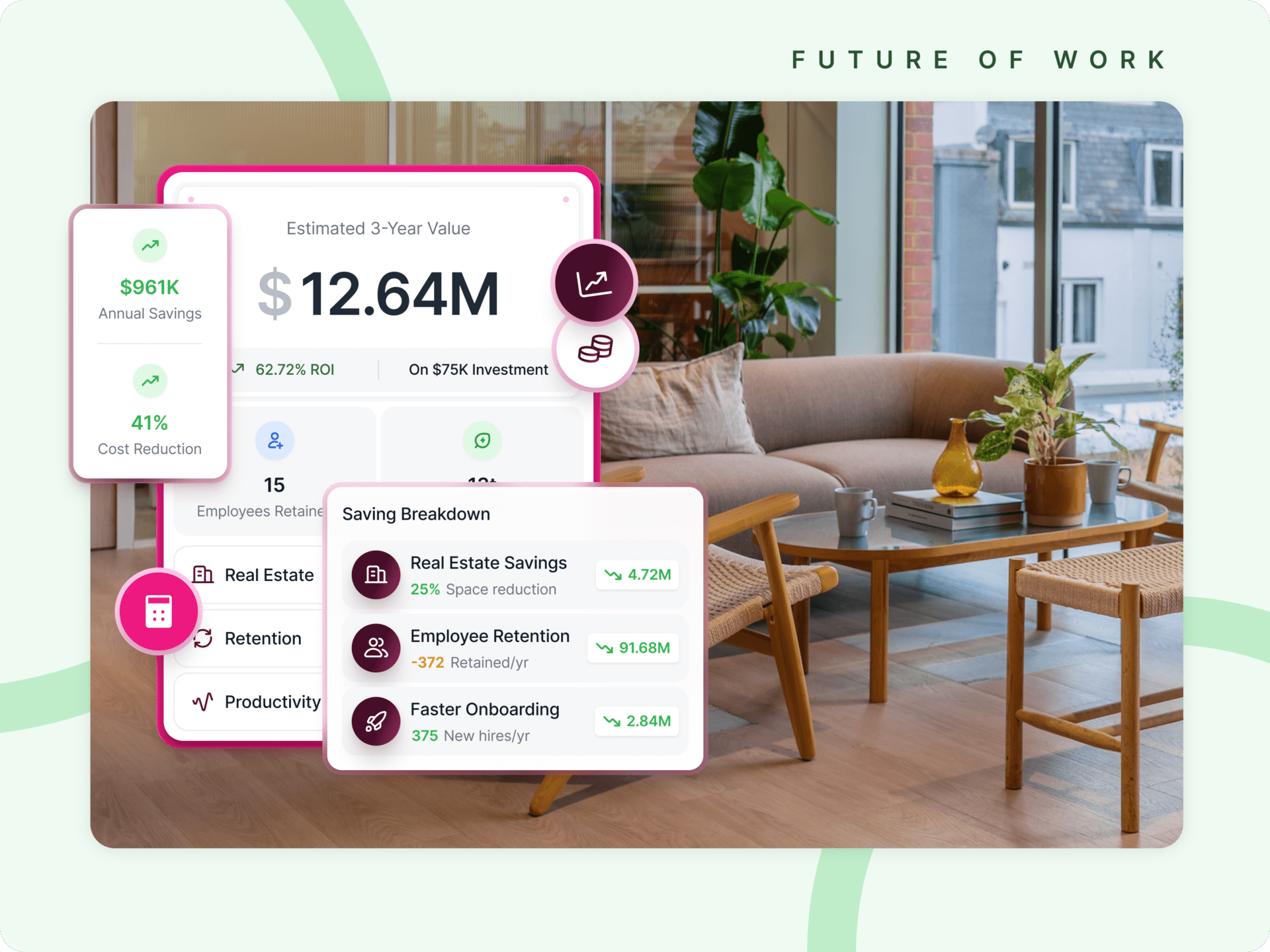
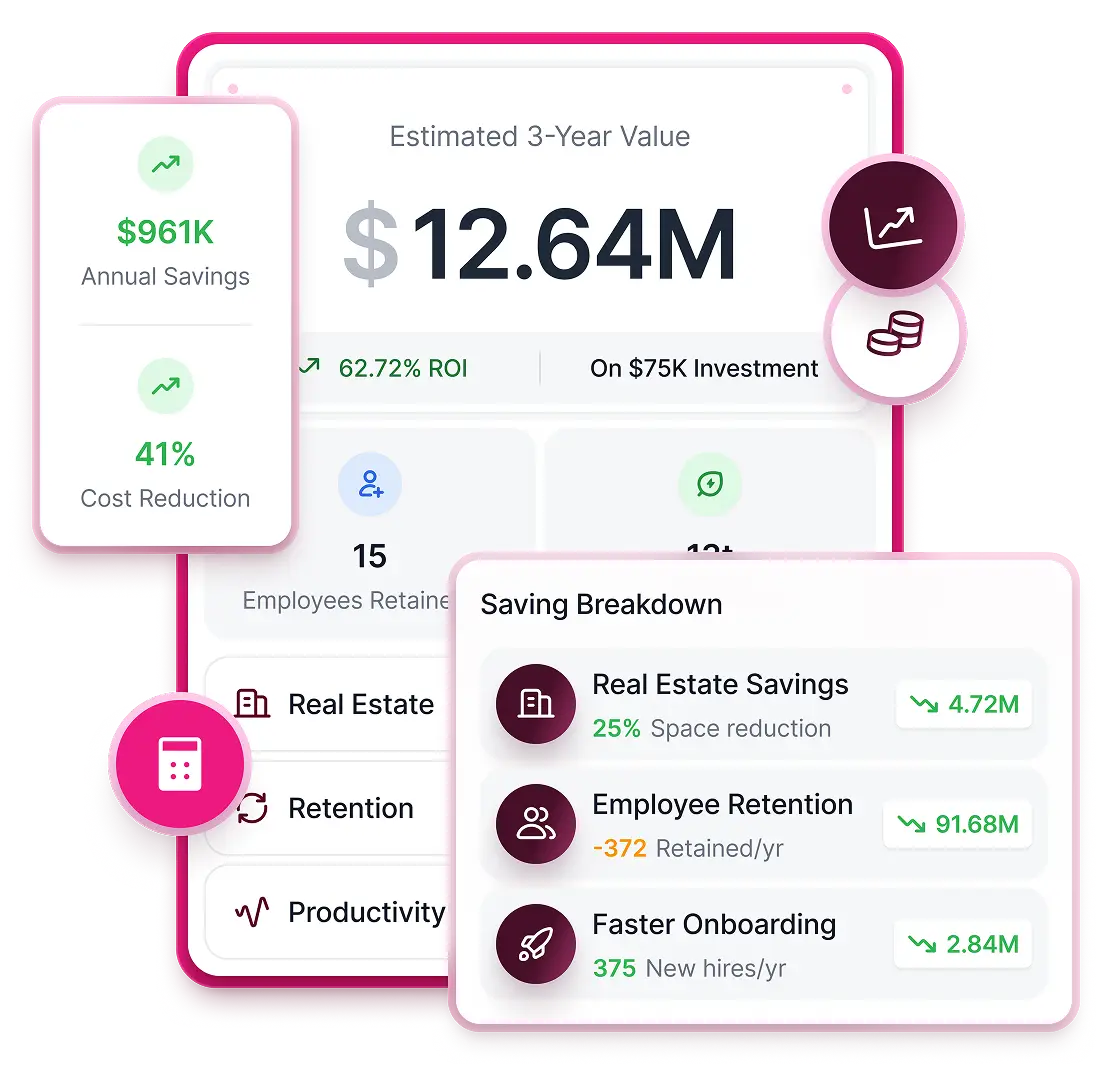
Calculate the ROI of Your Workplace Operations
Our brand-new ROI Calculator is here to help you visualize your success in seconds.

Why Meeting Culture Fixes Do Not Solve Room Scarcity
Many organizations respond to meeting frustration by trying to reduce meetings, tighten agendas, or cut recurring series that no longer earn their place.
Meeting culture initiatives tend to be uneven. They depend on manager discipline, team-by-team norms, and sustained reinforcement. Room scarcity, on the other hand, is a system problem that affects everyone equally. If the system allows “just in case” booking with no accountability, the behavior will persist even in organizations with strong meeting culture.
More importantly, meeting reduction can create a false sense of progress. You might see fewer blocks on calendars, but still have the same on-the-ground friction if rooms are being held by no-shows, early endings that never release, or recurring holds that were never cleaned up. The building can still feel constrained even if the calendar looks lighter.
Room scarcity improves when the workplace can reconcile intent with reality at the point of use. Without that, culture changes may reduce the number of meetings, but they will not reliably free up the rooms people need in the moment.
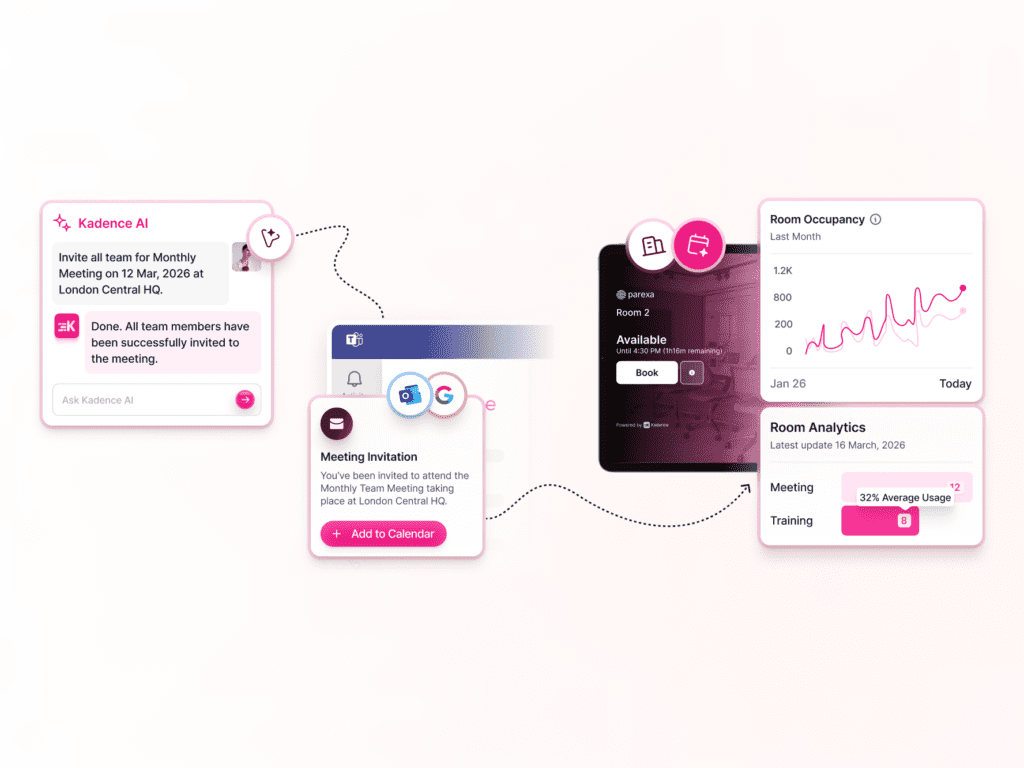
Governance Has to Live at the Door
Defensive booking is usually an incentives problem, not a morals problem. If reserving a room is free and failing to show up has no consequence, hoarding is predictable behavior in an environment that feels scarce.
The operational fix is straightforward:
- A check-in signal that confirms the meeting actually started.
- Automatic release that returns inventory to the building when no one arrives within an agreed grace period.
The goal is consistency and trust. When availability becomes credible, behavior changes without constant policing. Teams stop hedging, and the real estate serves real demand in real time.
What Kadence Changes
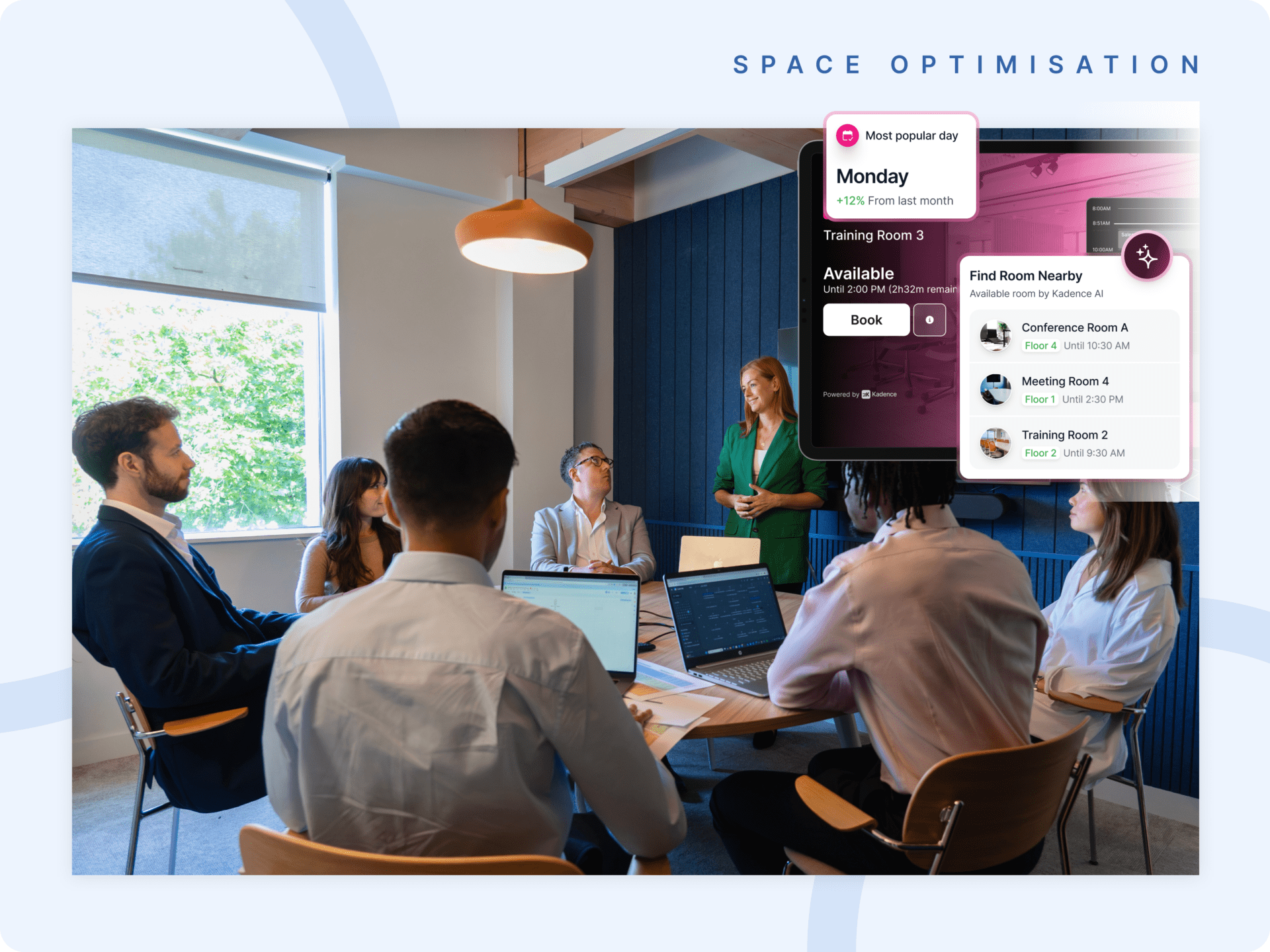
Kadence Room Booking with Room Displays closes the gap between scheduling intent and real-world usage by bringing booking workflows to the door. It reduces ghost meetings by making check-in enforceable and reclaiming unused space through automatic release.
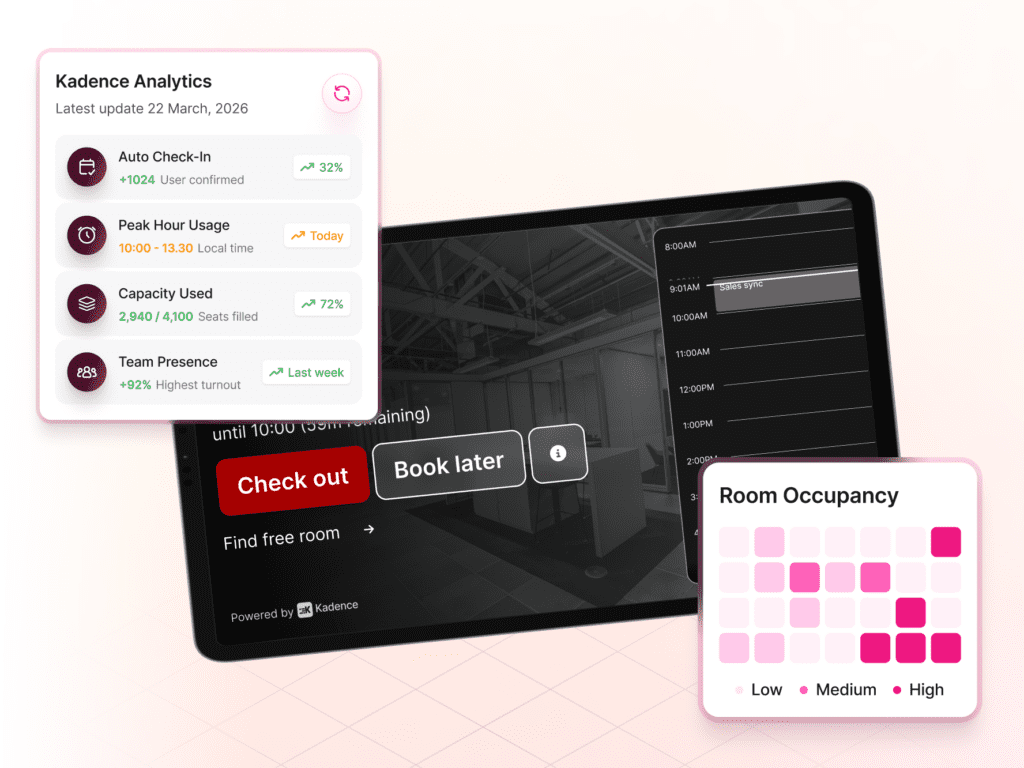
Those door-level signals do more than reduce day-to-day friction. They improve the quality of the operational dataset that SpaceOps depends on for real estate portfolio decisions. When inputs reflect real behavior, leaders can right-size with more confidence because they can separate true demand from artificial scarcity created by no-shows and un-released bookings.
A Simple Diagnostic
If you want to know whether you are paying the ghost meeting tax, ask:
- Are rooms frequently “booked” but visibly empty?
- Do employees report room scarcity even when floors feel underutilized?
- Are your utilization metrics driven primarily by reservations rather than confirmed use?
If the answer is yes, the issue of your real estate is rarely “we need more rooms.” More often, the issue is that the system cannot enforce reality, so availability is artificially constrained.
Book a demo with our workplace operations experts to see how room displays reduce ghost meetings, improve room availability in the moment, and strengthen the operational signal layer that powers portfolio optimization.