
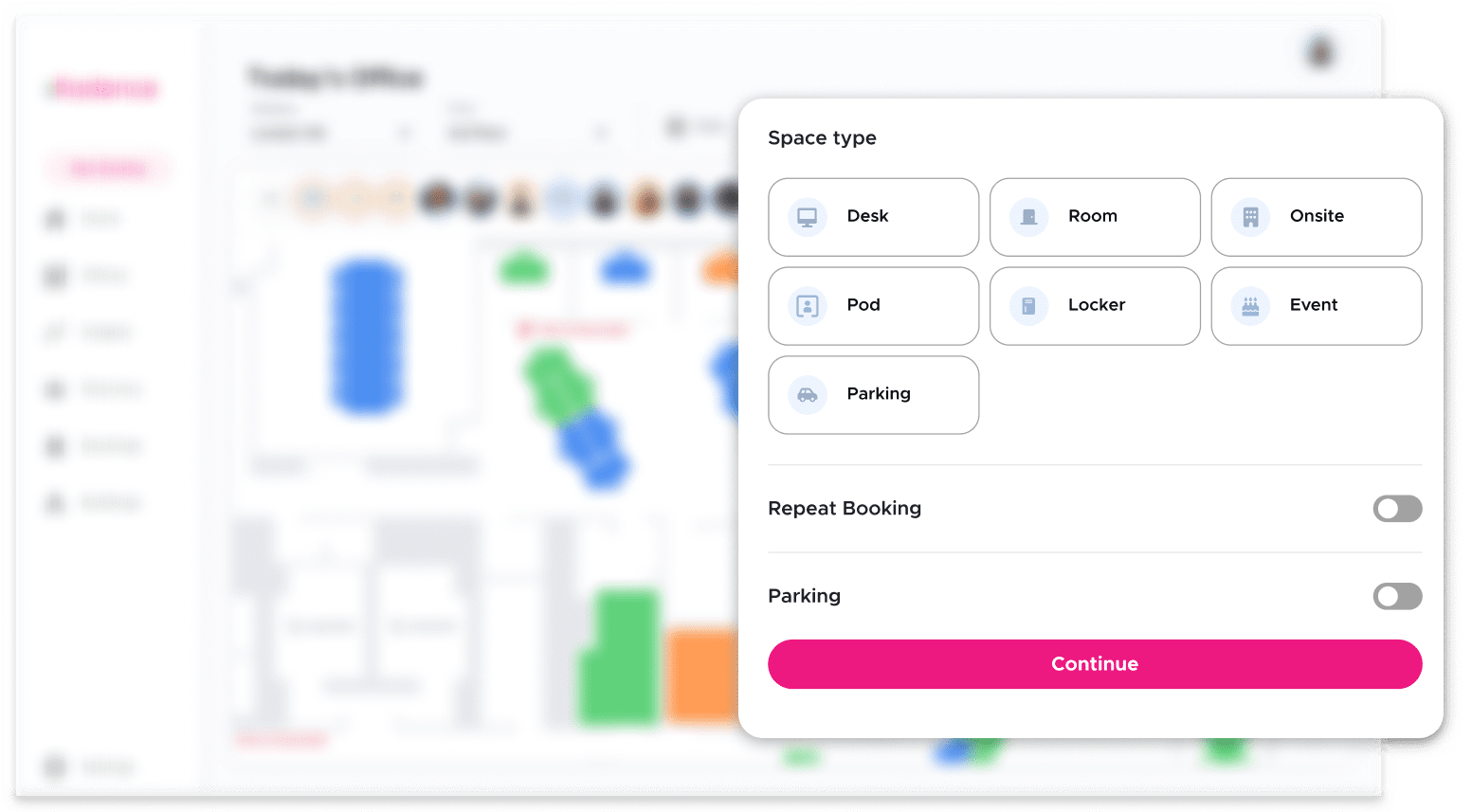
In August 2024, Kadence simplified office space management with Additional Space Types, a feature that lets office managers add parking spots, lockers and private pods to their floorplans so employees can book them alongside desks and rooms. It brought more of the office into one booking system and gave a fuller picture of how real estate is used.
Hybrid work changed what employees need from the office on the days they come in. Someone might need a desk, a pod for private calls, a locker for luggage and a parking spot, all on the same day. Additional Space Types let them book all of it from one interactive floor plan, next to desk booking and room booking.
What are Additional Space Types?
Additional Space Types are bookable resources beyond desks and rooms, such as parking spots, personal lockers and private pods, that office managers add and manage directly within their floorplans. Kadence launched them in August 2024. Employees reserve them the same way they reserve a desk, which simplifies booking and helps organizations use their real estate efficiently, wherever team members are based.
Picture reserving a parking spot ahead of time, or securing a private pod for a focused work session, in a few clicks. The office becomes an environment that fits the different needs of each team, supporting both collaboration and individual focus.
What could office managers do with Additional Space Types?
At launch in August 2024, Kadence described five things office managers and employees could do with Additional Space Types: book several resource types for the day, configure each type, set access rules, manage how spaces are used and see usage patterns for each type. Each extends the controls already used for desks to other parts of the office.
1. Select and book the resources needed for the day
Employees could book a pod for private calls, a locker for luggage and a spot for their car, all from the interactive floor plan.
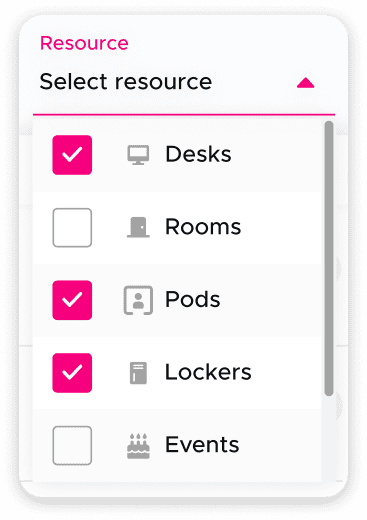
2. Create and configure each space type
Office managers could list resources in order of priority within the booking flow and create neighborhoods with any space type, including rooms. A neighborhood is a group of spaces set aside for a team or purpose. Managers could also set capacity limits, maximum booking durations and limits on repeated bookings for high-demand spaces.
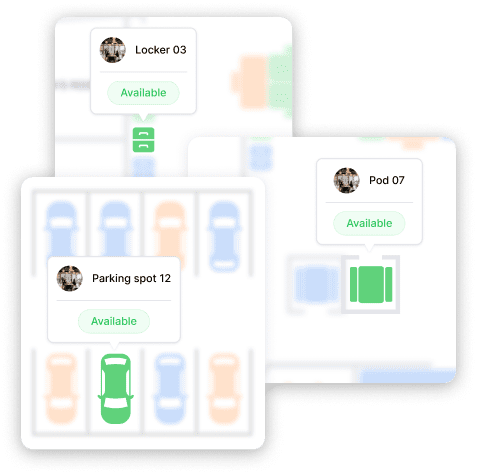
3. Fine-tune access for each space type
Managers could decide who gets access to each space type, assign lockers, pods and parking spots to team members, and give individuals priority access. Bookings could be made in advance and repeated for as long as needed.
4. Use spaces more efficiently
Lockers, parking spots and pods could be managed in all the same ways as desks. That included auto-release for no-shows or cancellations, and early check-in or check-in via access control.
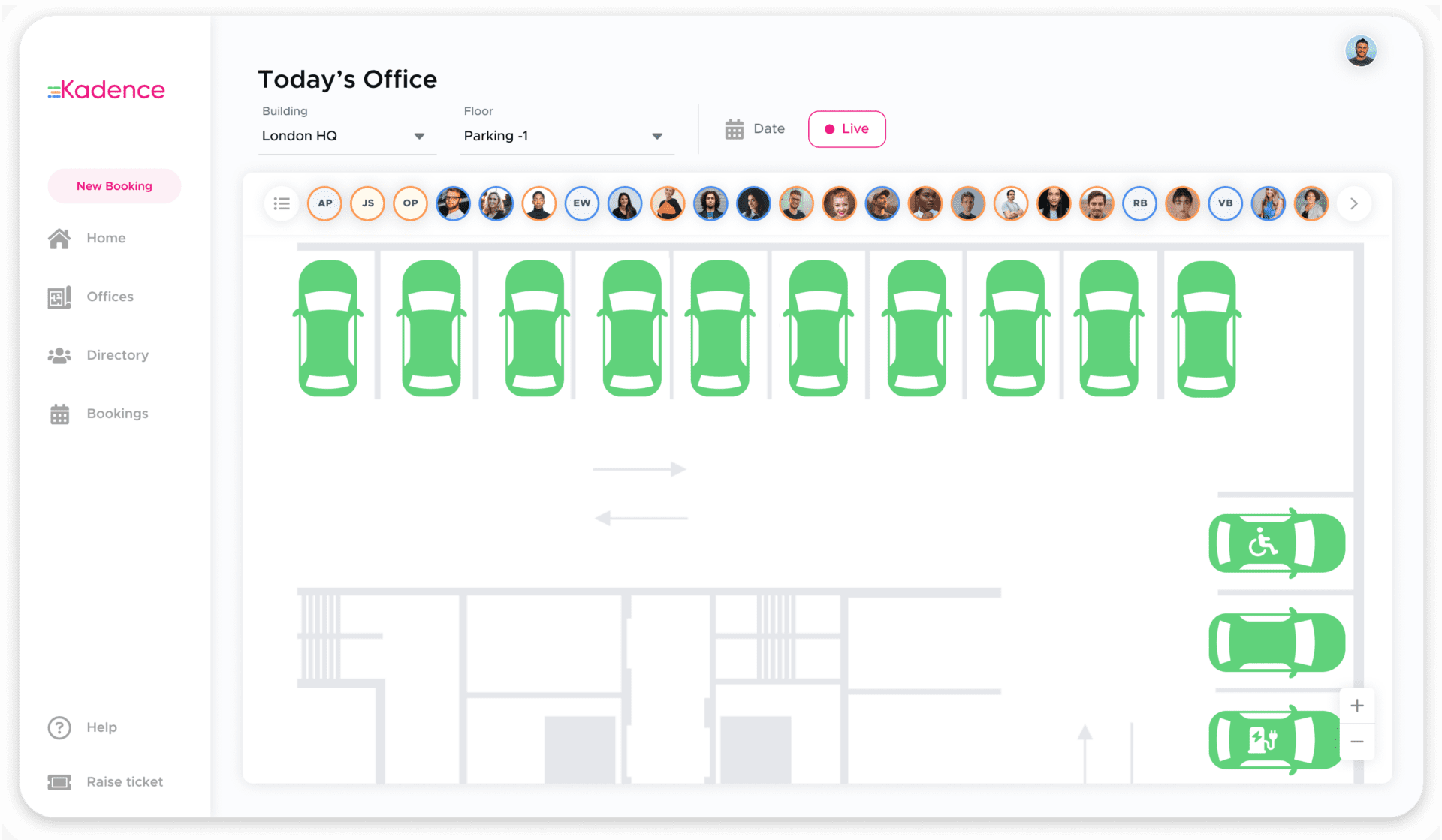
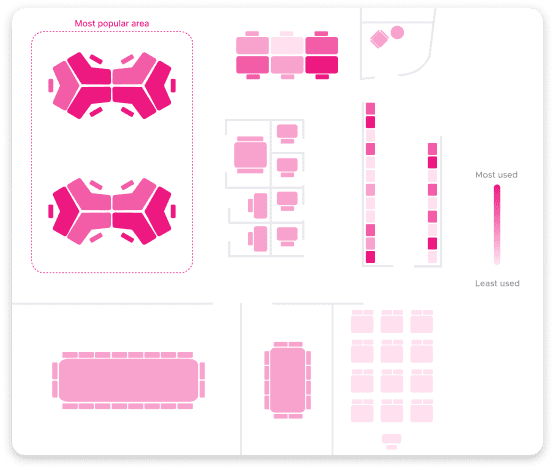
5. Uncover usage patterns for each space type
Kadence’s heat map showed which space types were most popular, so managers could improve how each area was used.
Why does office space management matter?
Office space management matters because it controls both cost and experience. Optimizing how space is used reduces real estate costs, while easy access to amenities such as lockers and pods makes the office work better for employees. In a hybrid workplace, it also lets organizations adapt quickly as team sizes and work styles change.
The main reasons are:
- Cost efficiency: optimizing space use reduces real estate costs, so every square foot is used well.
- Employee satisfaction: easy access to amenities like lockers and private pods improves the working day, which supports job satisfaction and retention.
- Flexibility: as hybrid work becomes the norm, companies must manage their space to fit changing team sizes and work styles.
- Productivity: well-organized spaces help people focus.
- Collaboration: a well-managed workspace encourages teamwork and communication.
What impact did Additional Space Types have on space management?
Bringing parking, lockers and pods into the same system as desks and rooms put every space booking in one place. That centralization simplified operations, made space use easier to track and optimize, and gave employees one simple way to book what they needed. It also made communication about space clearer for everyone.
Centralized space management
With every booking in one system, office managers could run space management from one place and cut the administrative effort of juggling separate tools. Spreadsheets and miscommunication about availability gave way to a single view of desks, rooms, parking, lockers and pods.
Savings on real estate
Tracking and optimizing how every type of space is used helps companies reduce real estate expenses. Organizations can see which spaces are underused and stop paying for space they do not actively use, so resources go where they support employees and the business.
A better employee experience
Easy booking and clear information improve the experience for employees. Giving people what they need, such as secure lockers for belongings or quiet pods for focused work, shows a commitment to their well-being and supports a more engaged workforce.
Clearer communication
Kadence’s workplace announcements keep team members informed about space availability, changes and updates. Office managers can tell teams about available spaces, changes or updates in one place. That transparency reduces confusion, helps teams coordinate and supports a more collaborative atmosphere.
Frequently asked questions
What can employees book with Additional Space Types?
Parking spots, personal lockers and private pods, alongside desks and rooms. Office managers add these resources to their floorplans, and employees book them from the same interactive floor plan they use for desks.
Can office managers restrict who books a locker, pod or parking spot?
Yes. At launch in August 2024, managers could customize access for each space type, assign resources to team members, give individuals priority access, and set capacity limits, maximum booking durations and limits on repeated bookings.
How do Additional Space Types help reduce real estate costs?
They bring every bookable space into one system, so usage can be tracked and optimized across desks, rooms, parking, lockers and pods. Seeing which spaces are underused helps organizations avoid paying for space they do not actively use.