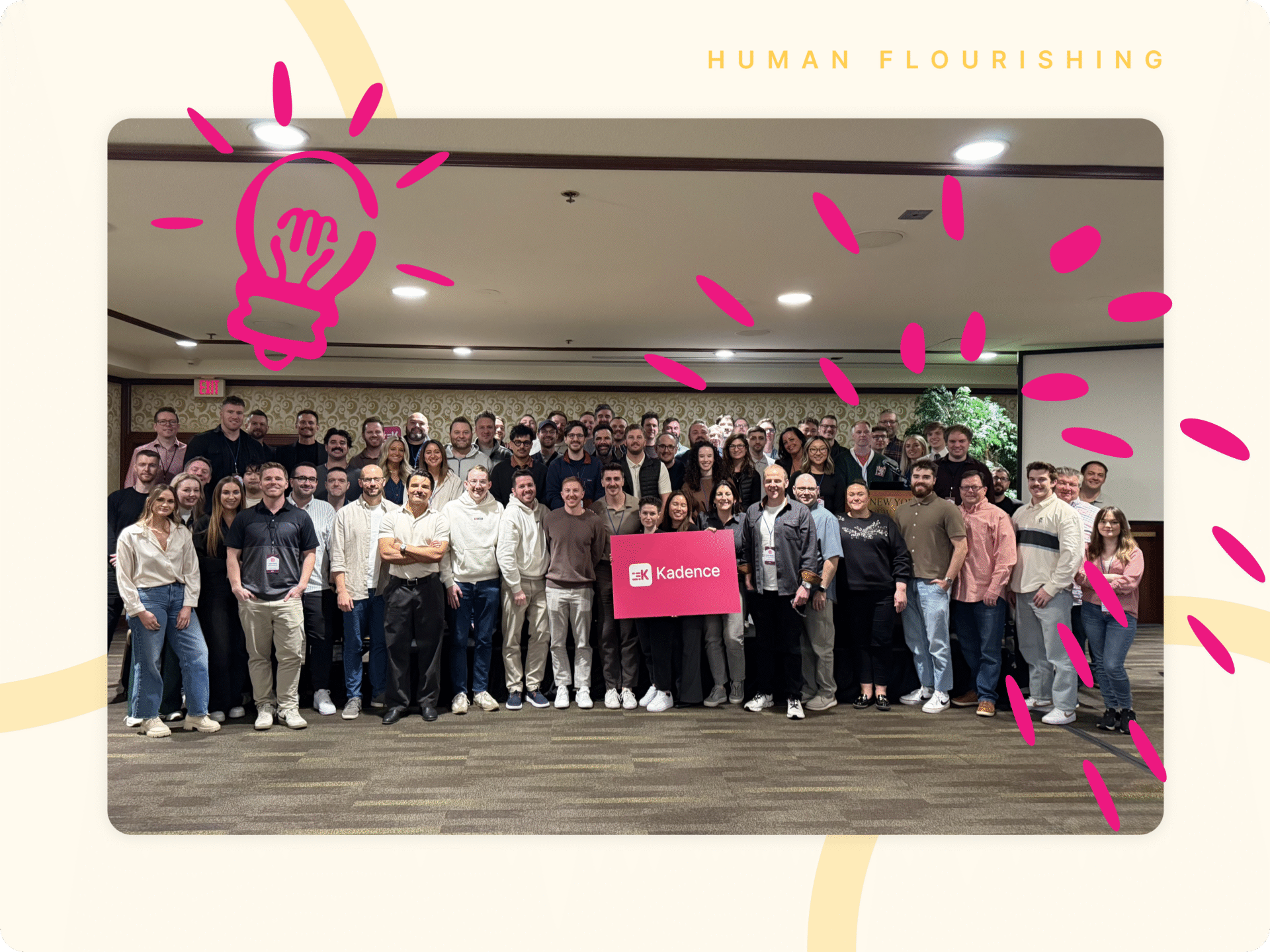
Earlier this month, we brought the entire Kadence team together in Las Vegas for our global company offsite. Colleagues traveled from across our offices around the world to spend several days in the same room at the New York, New York Hotel and Casino. We came to reflect on our progress, sharpen our thinking, and align on how we continue building a company that serves the world’s most ambitious workplaces.
On paper, it was an internal gathering. In reality, it reinforced something many leaders intuitively know but rarely quantify: bringing teams together meaningfully improves how an organization operates.
That is the real ROI.
Encounter: Knowing Who We Are Traveling With
At the start of the week, I shared three hopes for our time together: encounter, encourage, equip. Encounter comes first because coordination begins with understanding.
In a distributed company, it is entirely possible to collaborate effectively while still lacking depth of context about the people you work with. You may understand someone’s responsibilities and output, but not how they process decisions, how they handle pressure, or what motivates them. Over time, those gaps create subtle friction. They slow conversations down. They introduce hesitation where there should be clarity.
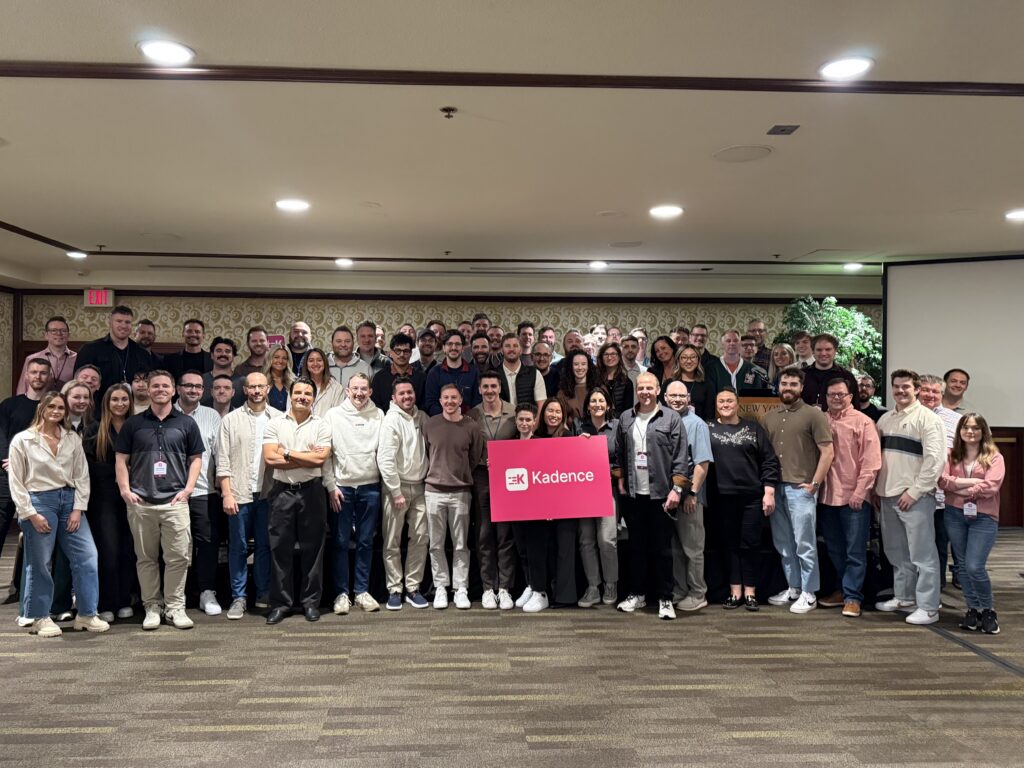
Encounter is about closing that distance.
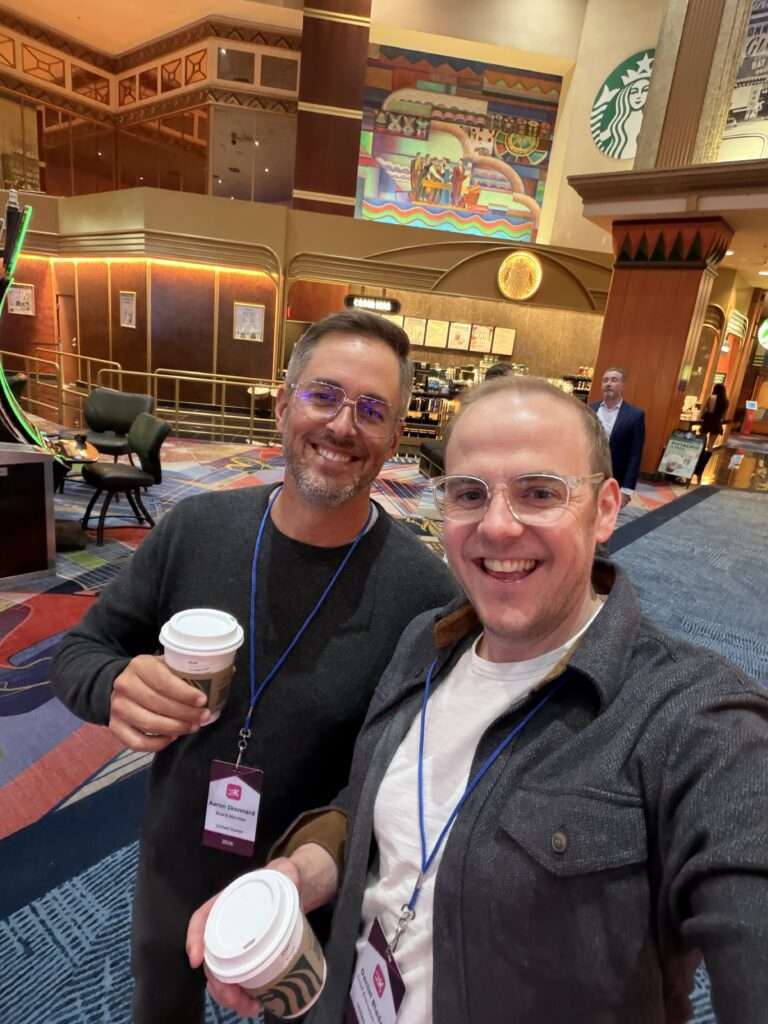
Throughout the week, we spent time in structured sessions and working discussions, but just as importantly, in the informal spaces between them. Conversations over coffee, extended debates that continued after the session ended, and shared meals created room for nuance. Those moments allowed people to explain not just what they think, but why they think it.
Trust does not form through documentation alone. It forms when people see each other fully and repeatedly in context.
When teams genuinely understand who they are traveling with, coordination becomes faster and more generous. Feedback lands differently. Disagreements feel constructive rather than personal. The cost of collaboration decreases because the foundation is stronger.
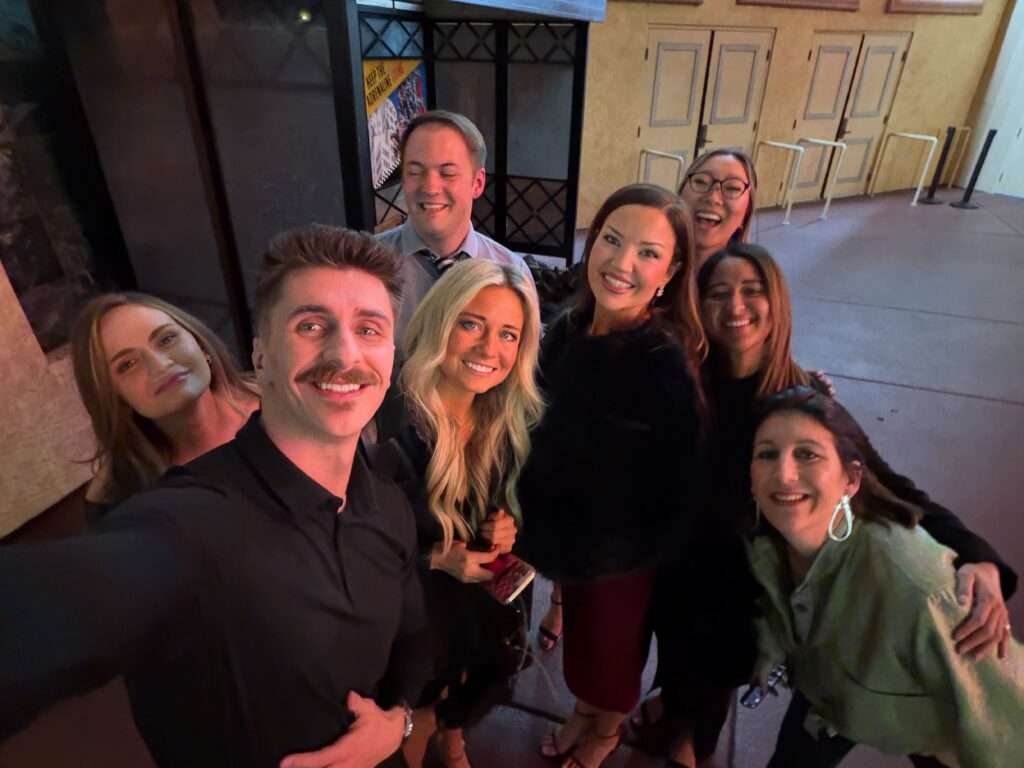
Encourage: Knowing Where We Are Going
Encouragement, in this context, is not about comfort. It is about conviction.
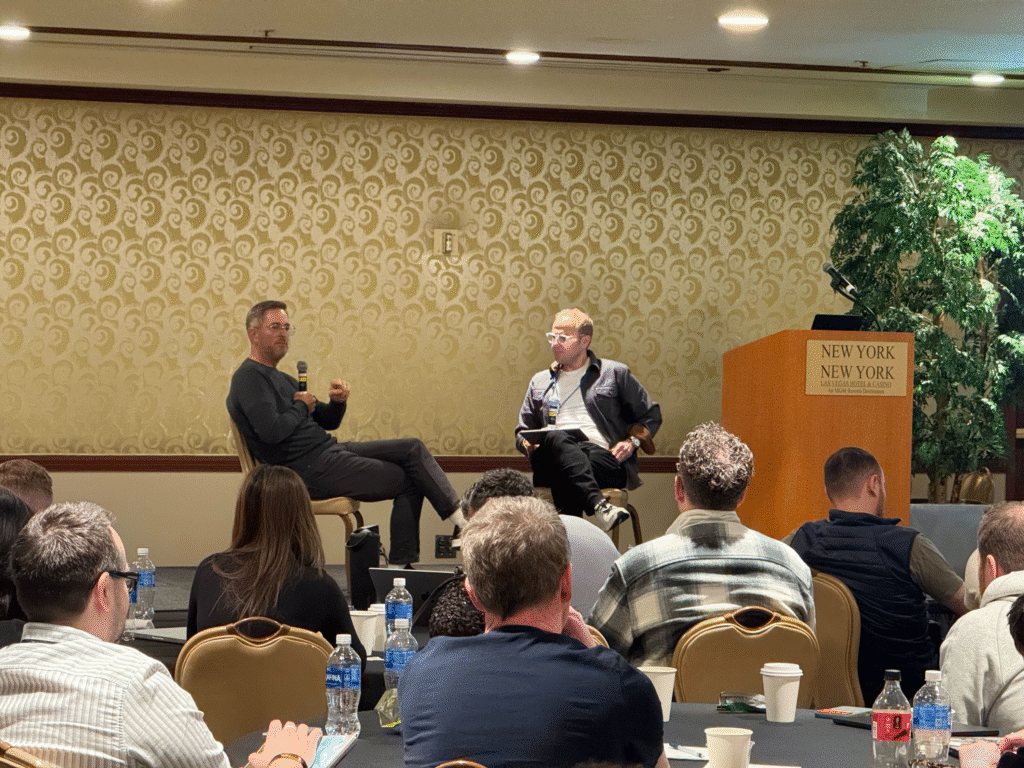
High-performing organizations require shared belief in the direction of travel. That belief is strengthened when strategy is discussed openly and examined rigorously by the people responsible for delivering it. During the offsite, we revisited our purpose and vision, discussed where we have grown, and examined where we need to improve. These were not surface-level conversations. They were candid and, at times, challenging.
That tension is not a sign of instability. It is a sign of engagement.
When teams can challenge ideas directly and leave the room more aligned than when they entered, alignment becomes durable. It is no longer agreement by default; it is agreement by design. Decisions made in that environment carry weight because they have been tested. They reduce second-guessing later and enable faster execution because the “why” has already been clarified.
Encouragement builds momentum when it is rooted in shared understanding.
Equip: Knowing How We Will Get There
The final hope for the week was equip. Inspiration without infrastructure does not last, so we were deliberate about focusing on how we operate as much as what we believe.
We examined the standards we hold ourselves to and how those standards show up in practice. We revisited the behaviors that define us: taking initiative without waiting to be prompted, focusing on what matters most, caring deeply about craft, operating with integrity, and stepping confidently into unfamiliar territory. These values are not abstract ideals; they are operational commitments that shape how we deliver for customers.

Equipping the team meant clarifying expectations and reinforcing accountability. It meant making sure that when we left Las Vegas, we were aligned not only in ambition but in execution. In-person discussion accelerated that work because ambiguity surfaced immediately and could be resolved in real time.
Shared clarity compounds over time. The investment made in a few days together reduces weeks of unnecessary friction later.
Shared Experiences and Operational Trust
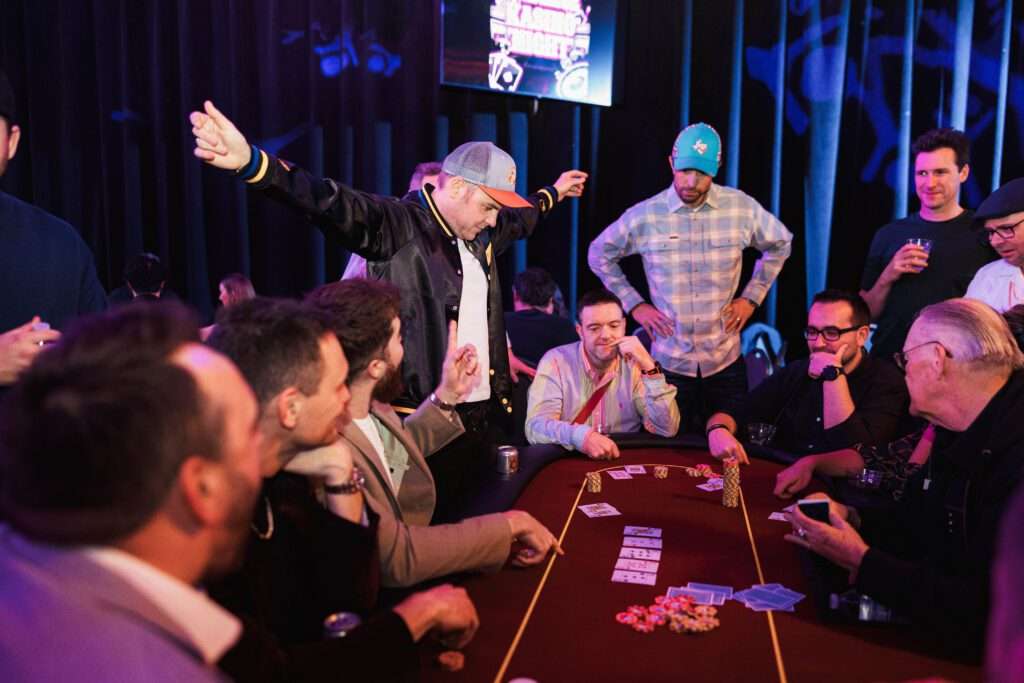
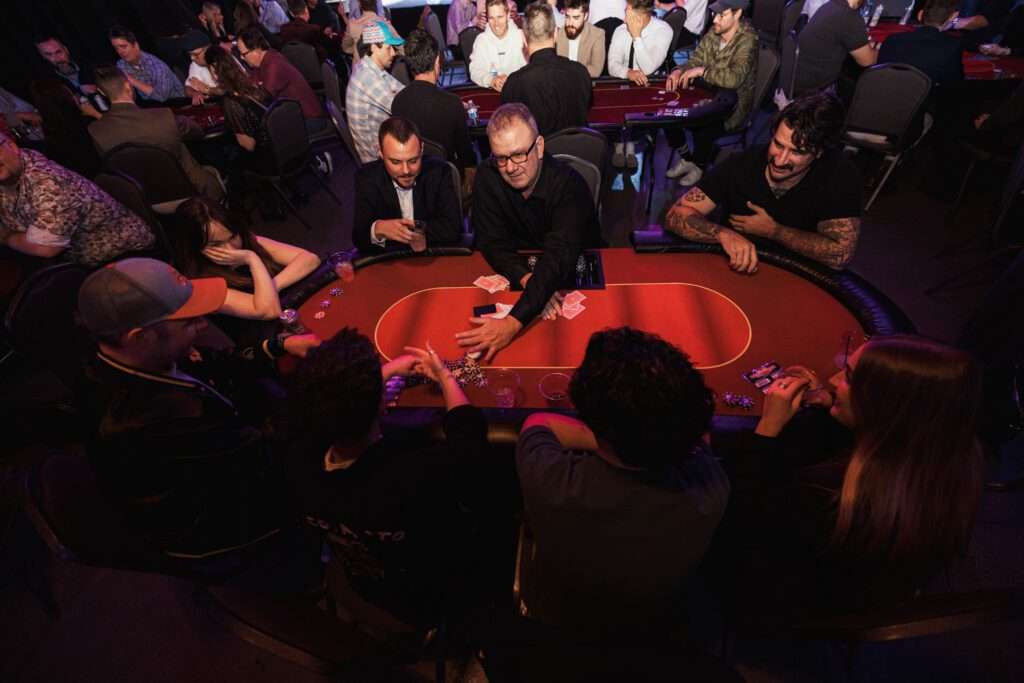
Not every meaningful moment happened in a conference room. We hosted a Kadence casino night, leaning into the setting with a bit of friendly competition, and we attended a ice hockey game together as a team. Those experiences were lighthearted, but they were not incidental.
When people share moments outside formal roles, they build relational equity. That equity changes how teams function under pressure. It increases candor. It lowers defensiveness. It strengthens resilience when plans shift or challenges arise.

You can feel when a team has spent meaningful time together.
The effect is subtle at first, but it shows up in how quickly cross-functional decisions are made, how openly feedback is exchanged, and how confidently teams move once a direction has been set. The organization becomes more coordinated because the people inside it are more connected.
What This Means for Workplace Leaders
Bringing a global team together requires intention and investment. The return rarely appears as a single metric, but it becomes visible in operational strength. Execution accelerates because fewer assumptions go untested. Friction decreases because trust increases. Outcomes improve because alignment is real, not superficial.
For us, the week in Las Vegas reinforced that building a high-performing company requires more than strong systems and thoughtful strategy. It requires teams who understand one another, believe in the direction they are heading, and are equipped to execute with clarity and confidence.
Coordination begins with people.
If you are rethinking how your organization coordinates people and places, book a demo with our workplace operations experts to see how Kadence can help you operate with greater clarity, alignment, and performance.