By 2026, the question organizations should be asking is not whether employees value the office. They already do, in the right conditions.
What employees want is a workplace that works. Not a better looking building. Not stricter attendance rules. They want an office that supports how work actually happens, without friction. The difference between offices employees choose to use and those they tolerate rarely comes down to perks or policy. It comes down to workplace operations.
Workplace operations is the coordination of people, space, and time. When it works well, employees feel it immediately. When it breaks down, they feel that too. In 2026, employees are far less patient with workplaces that create unnecessary effort.
From Rule-Driven Attendance to Experience-Led Presence
Many organizations still approach office attendance as something to enforce. Minimum day requirements and blanket expectations remain common. But employees do not show up because of rules alone. They show up when being in the office clearly improves their working day.
RCS England, the professional membership body for surgeons, saw this shift clearly. Before improving its workplace operations, the organization struggled with siloed teams, limited visibility into attendance, and a heavy administrative burden tied to coordinating space.
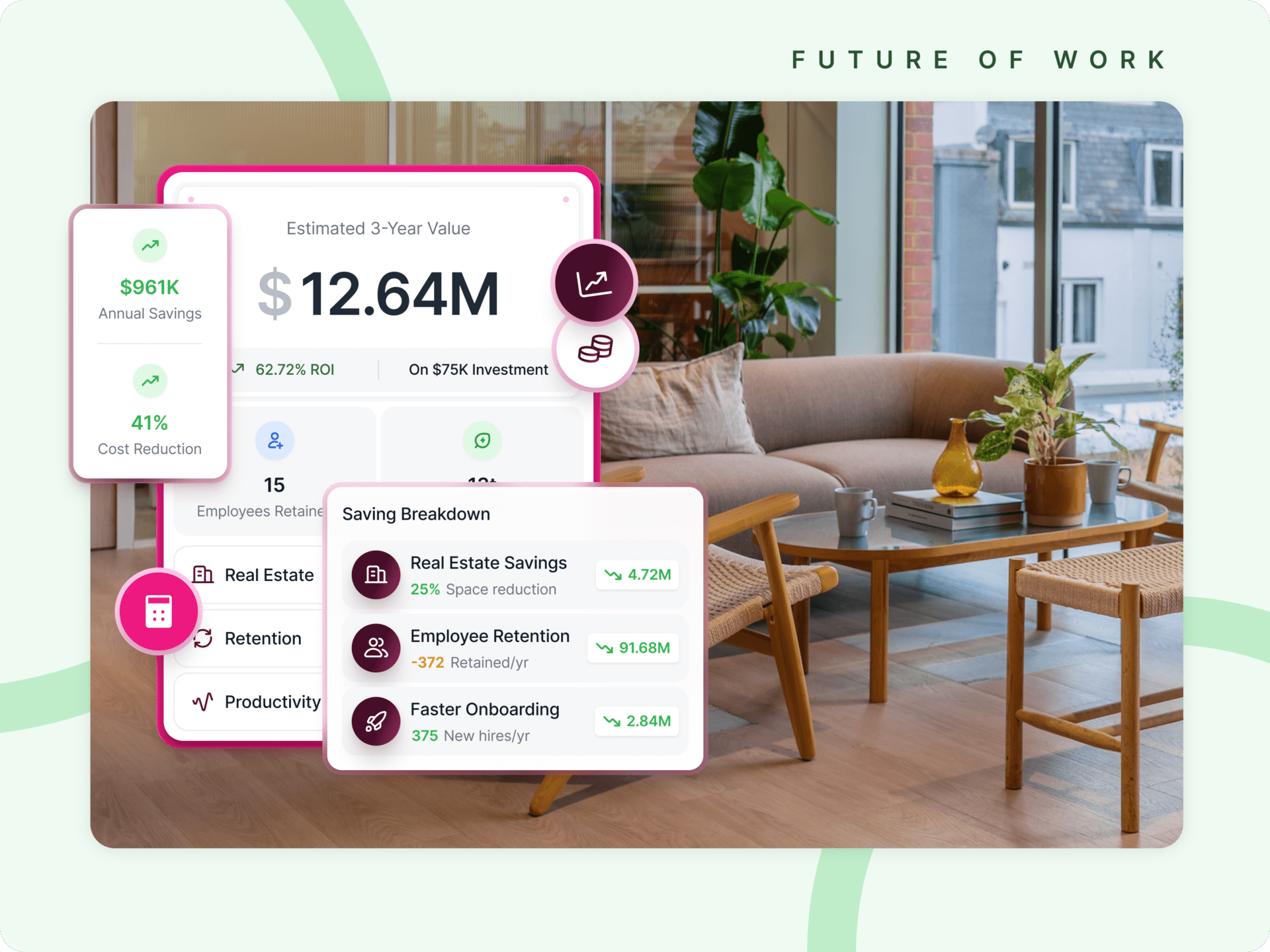
After implementing Kadence, 85% of employees voluntarily met or exceeded the organization’s in-office expectations. This change was not driven by tighter policies. It came from making in-person work easier to plan, more predictable, and more purposeful. With better coordination and clearer use of space, RCS England was also able to consolidate from two floors to one, delivering annual cost savings of over £40,000 while reducing manual administration through automation.
When presence becomes easier and more valuable, enforcement stops being the focus. Participation follows.
Predictability Matters More Than Perks
For years, organizations have invested heavily in office design and amenities to encourage attendance. While these improvements can enhance the environment, they rarely fix the daily frustrations employees associate with coming in.
What employees consistently value is predictability. They want to know that when they arrive, the space they need will be available, the people they need to work with will be there, and the day will unfold as expected. They want to avoid overcrowded peak days, underused collaboration areas, and the sense that coming in was a miscalculation.
This is an operational challenge, not a cultural one. It requires understanding real demand and planning for it.
Wavex, a growing technology company, experienced this first-hand after moving into a much smaller headquarters with just 18 desks. Without clear coordination, the risk of friction was high. By implementing Kadence, Wavex achieved four times desk efficiency, improved scheduling transparency by 60 percent, and reached 100 percent employee adoption. With better visibility and coordination, teams began aligning their in-office time more deliberately, improving collaboration without adding space or relying on additional hardware.
For employees, the benefit was simple. The office became dependable.
Offices Must Reflect How Teams Actually Work
By 2026, employees are acutely aware when offices are designed around assumptions rather than behavior. Many workplaces are still planned using average occupancy models that ignore how demand fluctuates by team, function, and purpose.
Employees experience the consequences in overcrowded days, underused space, and coordination that relies on guesswork. These problems quietly undermine trust in the workplace long before they appear in utilization reports.
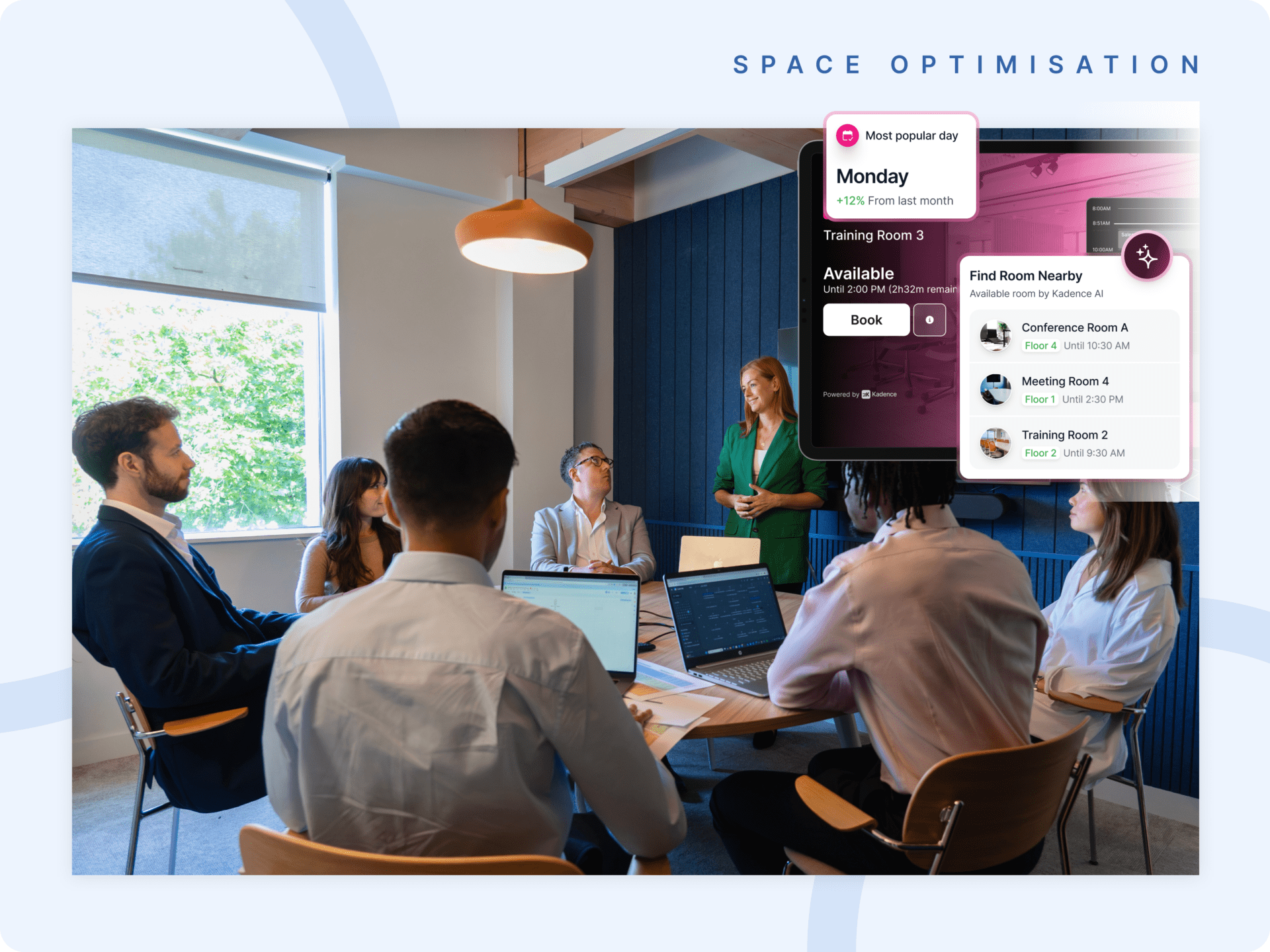
Strong workplace operations closes this gap. By using real usage data, organizations can align space with how teams actually work. Facilities teams move from reacting to complaints to planning with confidence. Leaders stop guessing which changes will make a difference.
Employees feel this alignment as ease. The office starts to feel intentional rather than improvised.
Time in the Office Has to Earn Its Place
Employees now evaluate the office differently. They are not comparing it to how work used to feel. They are comparing it to highly effective alternatives that require less effort and less disruption.
To compete, the office must deliver clear value. That value does not come from novelty. It comes from smooth operations that remove friction and give employees time back. Less time coordinating schedules. Less time searching for space. Less time dealing with avoidable problems.
When workplace operations are treated with the same discipline as other enterprise systems, employees notice. Collaboration feels easier. Days feel more productive. Time in the office feels intentional rather than accidental.

What Employees Want Is Operational Excellence
By 2026, employees are no longer swayed by good intentions. They judge the office by how reliably it works.
They can feel when coordination breaks down, when space does not match demand, and when in-office days require unnecessary effort. These moments shape behavior far more than policies ever will. Employees decide whether to come in based on whether the workplace consistently delivers value, not on how strongly leaders communicate expectations.
What employees want from the office is operational competence. They want workplaces that run predictably, support collaboration without friction, and respect their time. They want confidence that showing up will be worthwhile, not a gamble.
This is why workplace operations has become central to employee experience. When organizations understand how people actually use space and operate the workplace accordingly, trust follows. Presence becomes intentional. Participation becomes voluntary.
In 2026, the organizations succeeding are not forcing people back. They are earning presence by making the office work better, every day.
If you want to understand how better workplace operations can turn the office into a place people choose because it works, book a demo with our workplace operations experts.