Here’s what I learned from running a five-month pilot for a shorter work fortnight: people will move mountains to protect their day off.
Give a team one extra day off every two weeks, but make it conditional on finding 10 percent productivity gains, and watch them transform from passive technology users into active workplace innovators. It’s behavioral economics at its simplest. And it might just solve your AI adoption problem.
The Kitchen Appliance Problem
Most organizations are treating AI like expensive kitchen gadgets. You buy the latest Ninja Fryer, it sits on your bench looking impressive, but you keep cooking the way you’ve always cooked. Hot pots go in the oven. The slow cooker remains your favorite. The Ninja Fryer never gets used.
Sound familiar?
If you’ve invested in AI tools but people aren’t using them, aren’t curious about them, or aren’t giving them a genuine try, you’re facing the same problem. AI only becomes useful when it’s used at the individual level, role by role, person by person. You can’t top-down your way to productivity gains through AI. The person doing the job knows it better than their manager does.
So how do you ignite that curiosity? How do you get people to experiment rather than avoid?
You align their incentives with your business outcomes.
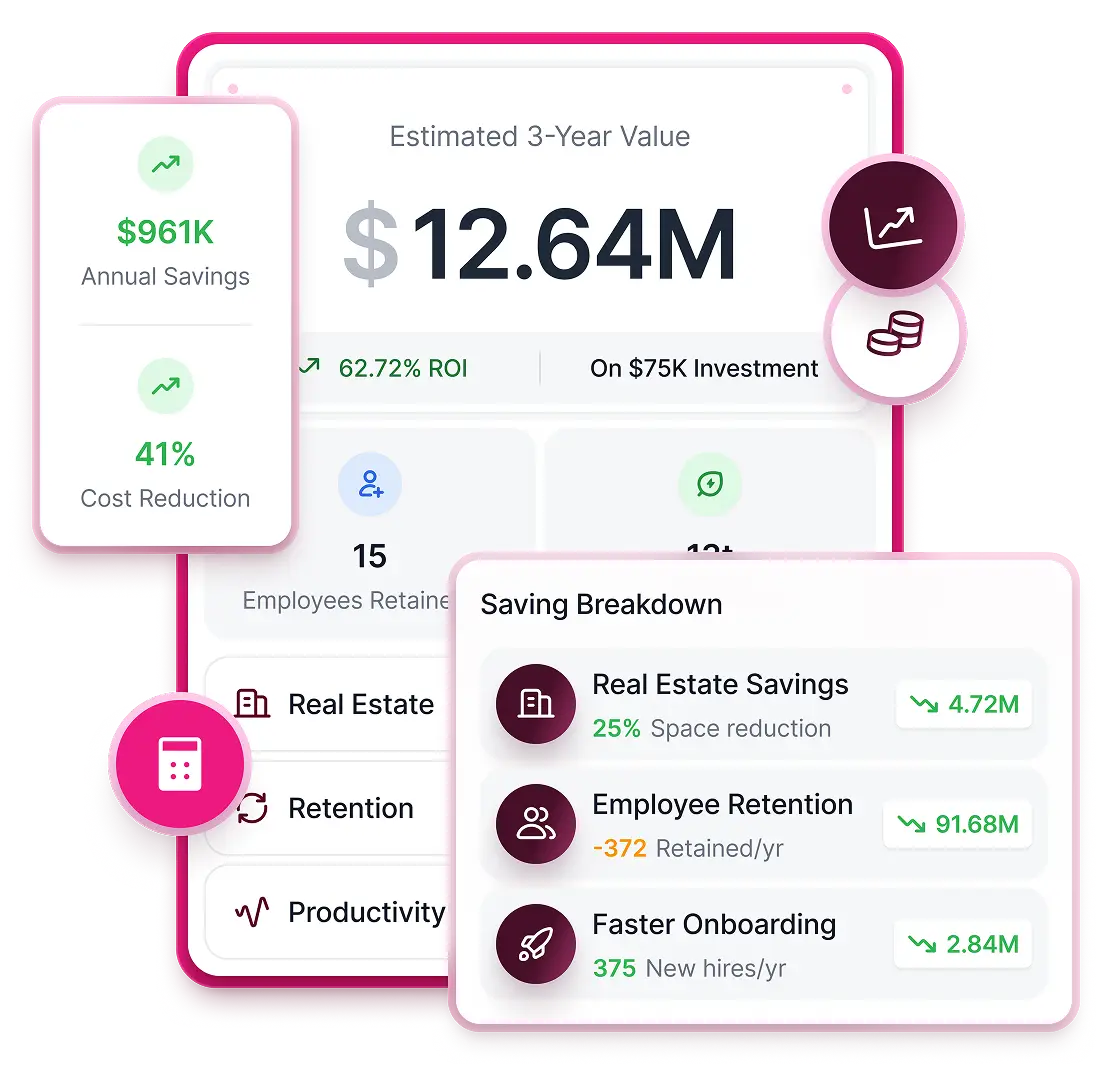
Calculate the ROI of Your Workplace Operations
Our brand-new ROI Calculator is here to help you visualize your success in seconds.

The Maturity Acceleration Effect
In my shorter work fortnight pilot, I watched something remarkable happen. Over five months, I saw a workforce mature faster than anything I’d witnessed in 15 years of organizational development.
It started predictably. People thought about themselves first, time-blocking, personal productivity hacks, organizing their email. That’s natural. You start with what you can control.
But within weeks, they realized individual optimization has limits. They started having broader conversations with immediate colleagues. If I’m time-blocking this way and you’re time-blocking that way, wouldn’t it be more effective if we aligned our focused work hours?
Teams began humming in ways they’d never experienced. High-performing. Efficient. Connected.
Then came the breakthrough moment. Three months in, teams realized their success could be even greater if they engaged with adjacent teams. The learning mindset spread across departments. Curiosity became contagious. Empathy grew. A culture of continuous improvement took root organically.
“This is exactly the mindset shift you need for successful AI adoption.”
Why Fear Kills Innovation
Here’s the uncomfortable truth about AI implementation: most people are terrified they’ll optimize themselves out of a job.
The data backs this up. Recent research shows that while 80% of employees now use AI tools, adoption remains shallow. People are using AI for basic tasks but avoiding the deep integration that drives real productivity gains. Why? Because they intuitively understand that mastering AI might make their current role redundant.
Fear is a powerful emotion. If you expect people to enthusiastically adopt AI while simultaneously worrying that mastery will lead to redundancy, you’re asking them to work against their own interests. That’s not sustainable motivation.
The solution? Share the benefits.
Instead of: “You must use AI tools because we invested in them.”
Try: “Here’s all this AI. I don’t want you to be scared of it. In fact, I’m going to reward you for using it. If you can find 10 to 20 percent productivity gains through AI adoption, I’ll give you a day off every fortnight for free.”
This transforms the narrative from threat to opportunity.
The Three-Step AI Incentive Framework
Based on my pilot work and current client projects in construction, manufacturing, and energy sectors, here’s how smart leaders can accelerate AI adoption:
Step 1: Set Clear Expectations
Make AI adoption a stated organizational priority. Don’t let AI become the expensive appliance everyone works around. Communicate that you’re investing in this technology because of its potential to drive productivity in entirely new ways. Be explicit about the vision.
The companies doing this well are tracking AI usage alongside traditional productivity metrics. They know which teams are experimenting, which tools are getting traction, and where the real productivity gains are happening.
Step 2: Remove Fear Through Commitment
Assure people that the purpose of adopting AI is not to make redundancies. If you don’t remove this barrier, people will actively avoid using your tools. Make it clear that you’re building a learning culture, not a downsizing strategy. And demonstrate your sincerity by sharing the productivity benefits through flexible work arrangements.
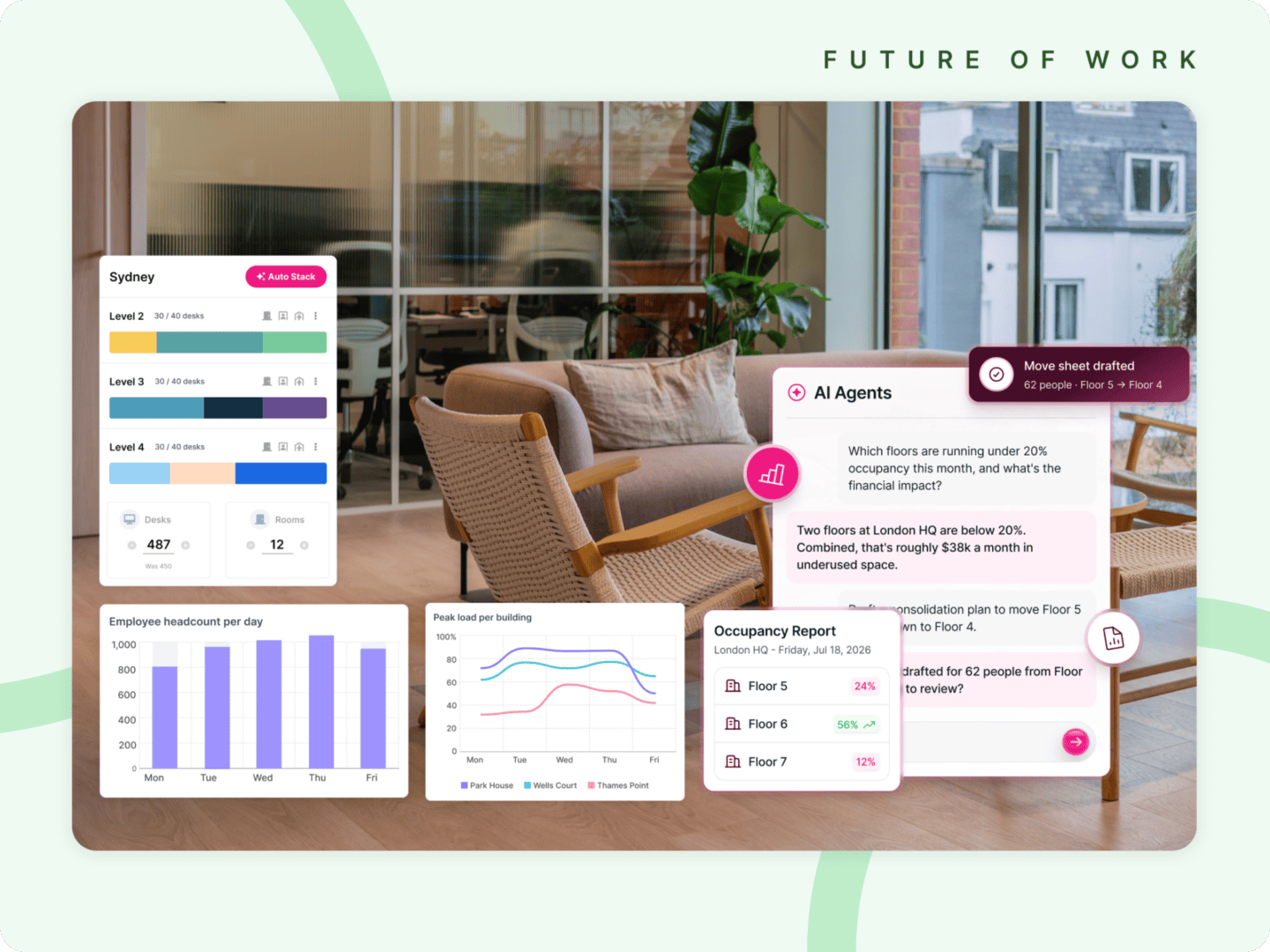
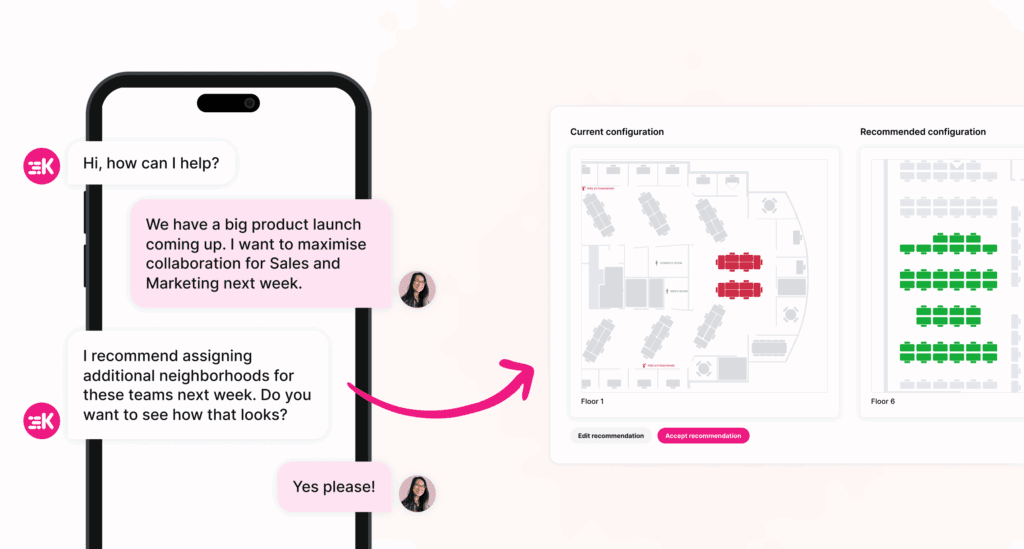
One thing that helps here is transparency about how work is actually changing. Leaders who share occupancy and attendance data with their teams — showing openly how space usage is shifting as the pilot progresses — build a different kind of trust. When people can see the evidence that the organization is adapting around them, not just asking them to adapt, the fear begins to recede. Kadence gives leaders the visibility to have those conversations with real data behind them.
Step 3: Run a Structured Pilot
Set up a six-month pilot with a clear value exchange: find at least 10 percent productivity gains through AI adoption and experimentation, and we’ll give you a day off every fortnight. This creates skin in the game. People become invested in making it work.
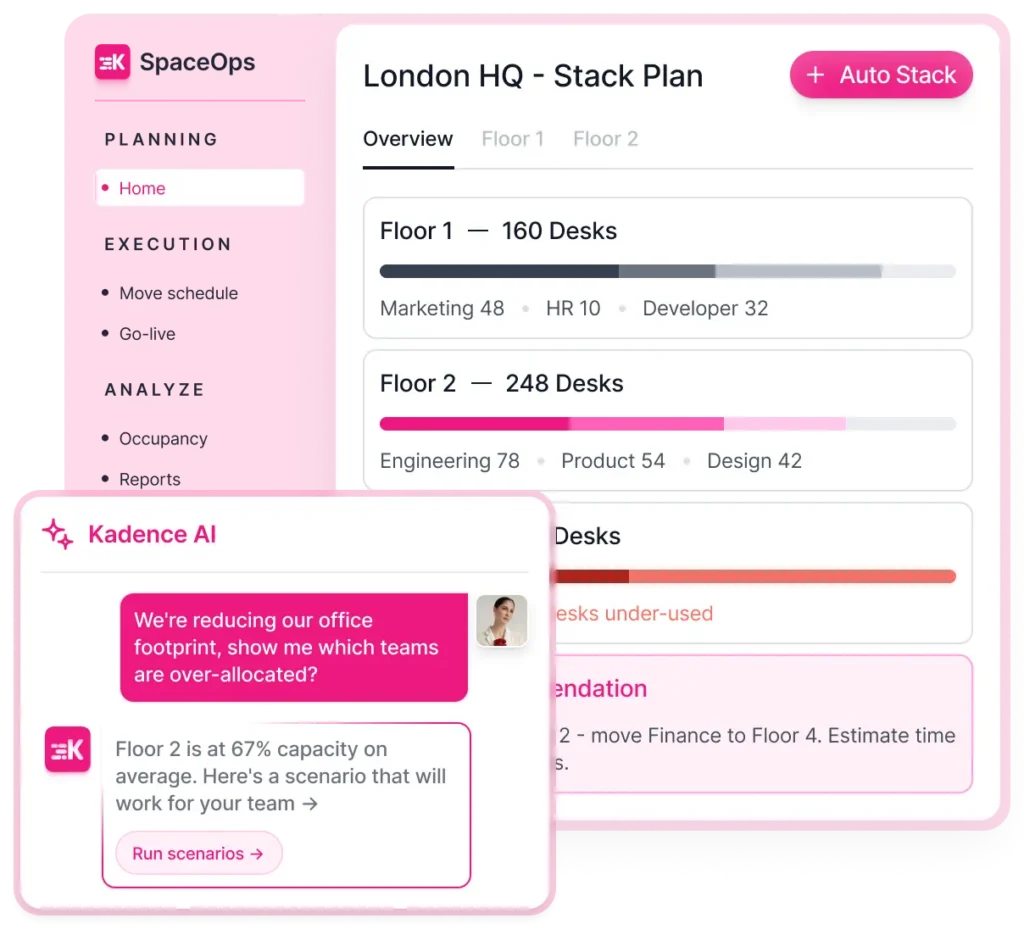
The key is measuring both the productivity gains and the utilization patterns. Which spaces are teams using for AI experimentation? What types of collaboration drive the best results? This data becomes essential for scaling the program.
What Happens to the Extra Capacity?
Here’s where it gets interesting for business leaders. Let’s say you give everyone a 10 percent productivity gift through their shorter work arrangement, but your organization actually gains 25 percent overall productivity through AI adoption.
You now have 15 percent additional capacity to deploy strategically. You can finally tackle those non-urgent but important projects that every team has on their list. You can explore innovation initiatives that were previously impossible due to bandwidth constraints. You can choose to right-size certain roles through natural attrition rather than layoffs, doing it in a way that doesn’t undermine the culture of learning you’ve created.
One manufacturing client used this additional capacity to completely reimagine their quality control processes. Another energy company finally had bandwidth to build the predictive maintenance system they’d been planning for three years.
Beyond the Office Workers
The beauty of this framework is that it works for more than just desk-based employees. I’m currently running pilots in manufacturing and construction, industries with significant frontline workforces. The principle remains the same: use innovation to reduce friction and create capacity, then share the benefits through flexible scheduling, shift pattern optimization, or additional rest periods.
This addresses one of the biggest tensions in today’s workplace: the flexibility divide between office workers and frontline staff. When 83 percent of workers prefer hybrid arrangements but entire industries can’t offer remote work, you need creative solutions that provide different types of flexibility for different roles.
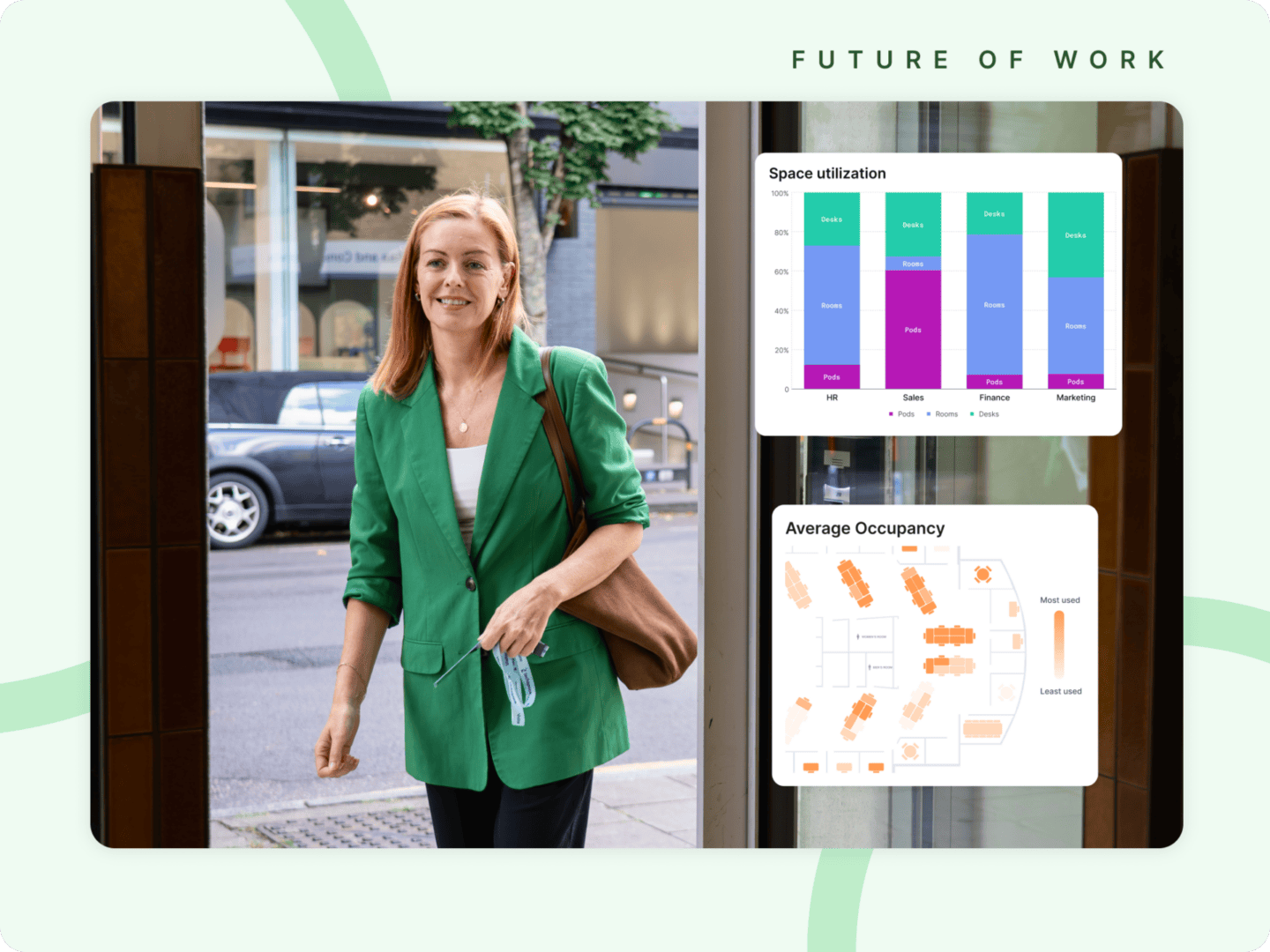
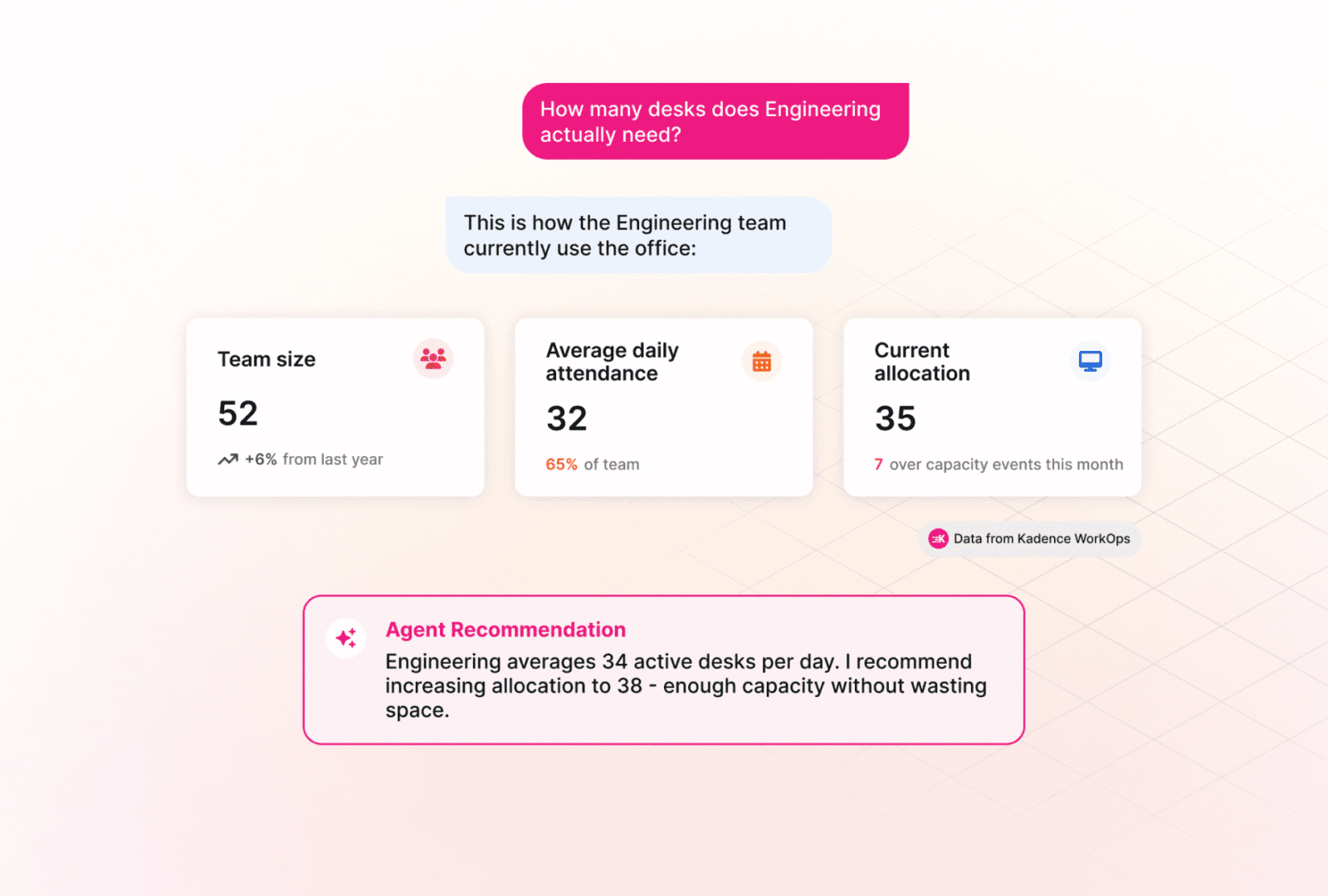
Smart organizations are using tools to track how occupancy patterns shift across different workforce segments — which days see desk utilization spike, where collaborative space is underused, and how attendance behaviour changes as flexibility programmes mature. That granular picture is what allows leaders to make flexibility decisions based on evidence rather than assumption.
The Curiosity Catalyst
What makes this approach powerful isn’t just the time incentive. It’s the way it changes how people think about their work.
Instead of being passive recipients of new technology, they become active experimenters. Instead of fearing change, they’re motivated to lead it. Instead of protecting their current methods, they’re incentivized to find better ones.
This is what I mean by data curiosity as a skill, helping every role become analytical at some level, inquisitive about opportunities, creative in their problem-solving approach. As one energy sector CTO told me, she’s not trying to grow her analytics team exponentially. She’s trying to instill “data curiosity” as a skill across every role in the organization.
Making it Practical
Start with a pilot group. Choose a department or team that’s naturally curious and has clear, measurable outputs. Set the value exchange clearly: productivity gains through AI experimentation in return for flexible work benefits.
Measure before and after. Track not just productivity metrics, but engagement levels, retention rates, sickness absence and innovation outputs. Document the learning culture shifts. Track how your team’s space usage evolves week by week throughout the pilot — which days see collaboration spikes, which spaces go underused, how attendance patterns shift. With a tool like Kadence, that behavioural data becomes one of the clearest signals that a flexibility programme is genuinely working, not just in theory, but in how people choose to show up.
Most importantly, resist the temptation to make this a carrot-and-stick exercise. This isn’t about performance management. It’s about creating conditions where people want to experiment, learn, and improve because they have a personal stake in the outcome.
The Human-AI Future
We’re not trying to replace human intelligence with artificial intelligence. We’re trying to amplify human potential through intelligent tools.
The organizations that figure this out, that make AI adoption feel like an opportunity rather than a threat, will be the ones that actually realize the productivity promises everyone’s been making.
The secret isn’t better technology. It’s better incentives.
If you want to explore these ideas further, my book Flexperts goes deeper on how to design flexibility programmes that actually work. And if you want to see how Kadence helps organizations track and measure the kind of behavioural shifts I’ve described here, book a demo with their team.