The most widely read forecast in real estate just gave a name to something the rest of us have been circling for two years. In its 2026 edition, now in its 47th year, PwC and the Urban Land Institute ran a spotlight titled “From Proptech to PropOS.” The argument is that real estate is growing an operating system, shorthand for a property operating system, a layer of AI agents, digital twins, and data integrations sitting on top of the legacy platforms that run buildings today. I think they are right about the category. I also think almost everyone chasing it is building from the wrong side of the wall.
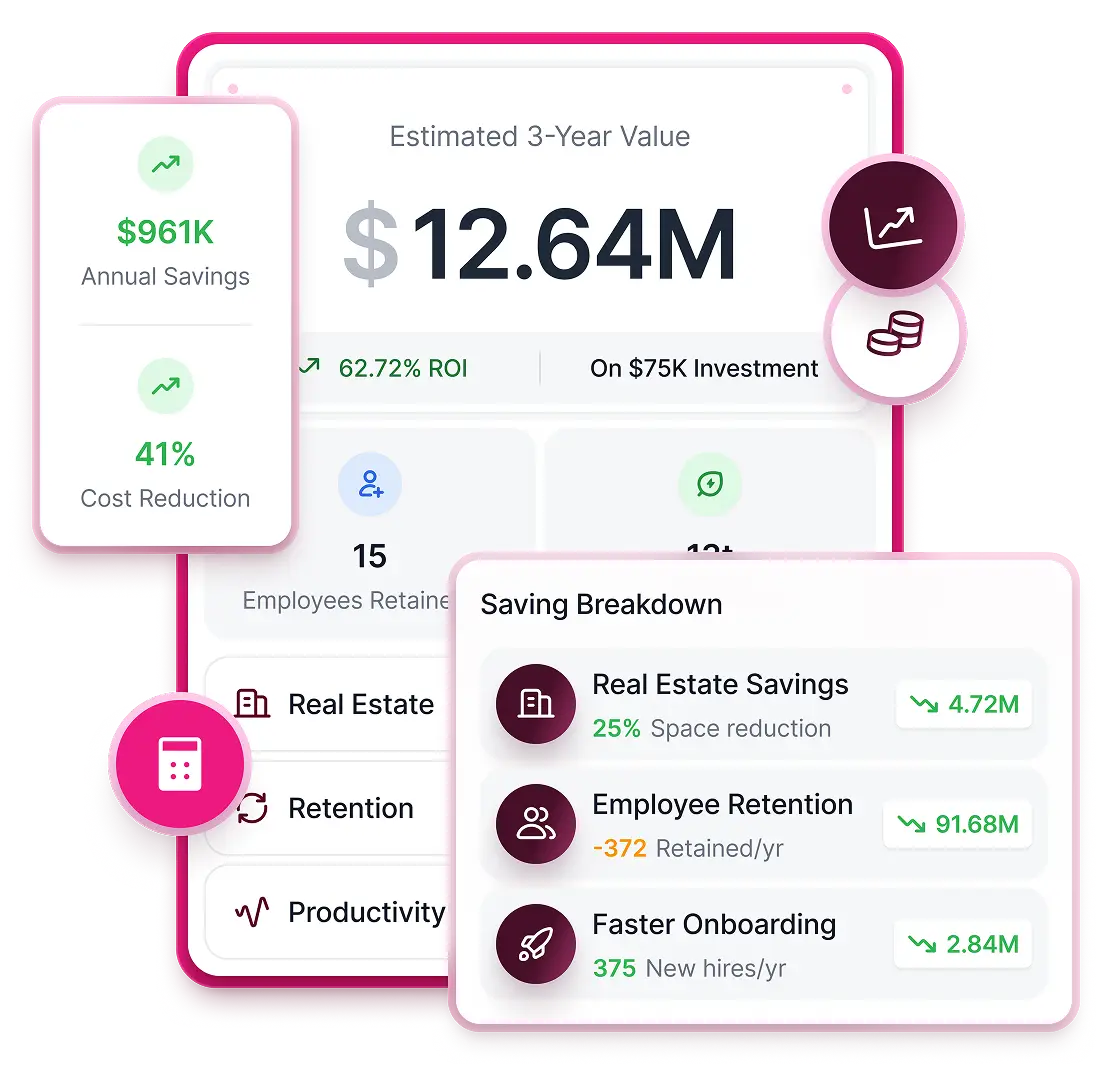
Calculate the ROI of Your Workplace Operations
Our brand-new ROI Calculator is here to help you visualize your success in seconds.

What the Report Gets Right About PropOS
Give the report its due, because the vision is sound. The future of property technology is not another point solution bolted onto the last one. It is an orchestration layer: agents that handle routine operations, digital twins that model the physical asset, and integrations that let specialized systems talk to each other through APIs. The report is explicit that success will not come from one platform swallowing all the others. It will come from connecting them.
That is the correct instinct. Enterprise real estate runs on a stack of systems that already exist, from lease administration to building management to space planning. Nobody is going to rip all of that out and start over. The winning move is orchestration over replacement, a thin intelligent layer that turns a pile of disconnected data into decisions. On the shape of the thing, I have no argument. My argument is about where the intelligence actually comes from.
Almost Everyone Is Building PropOS From the Supply Side
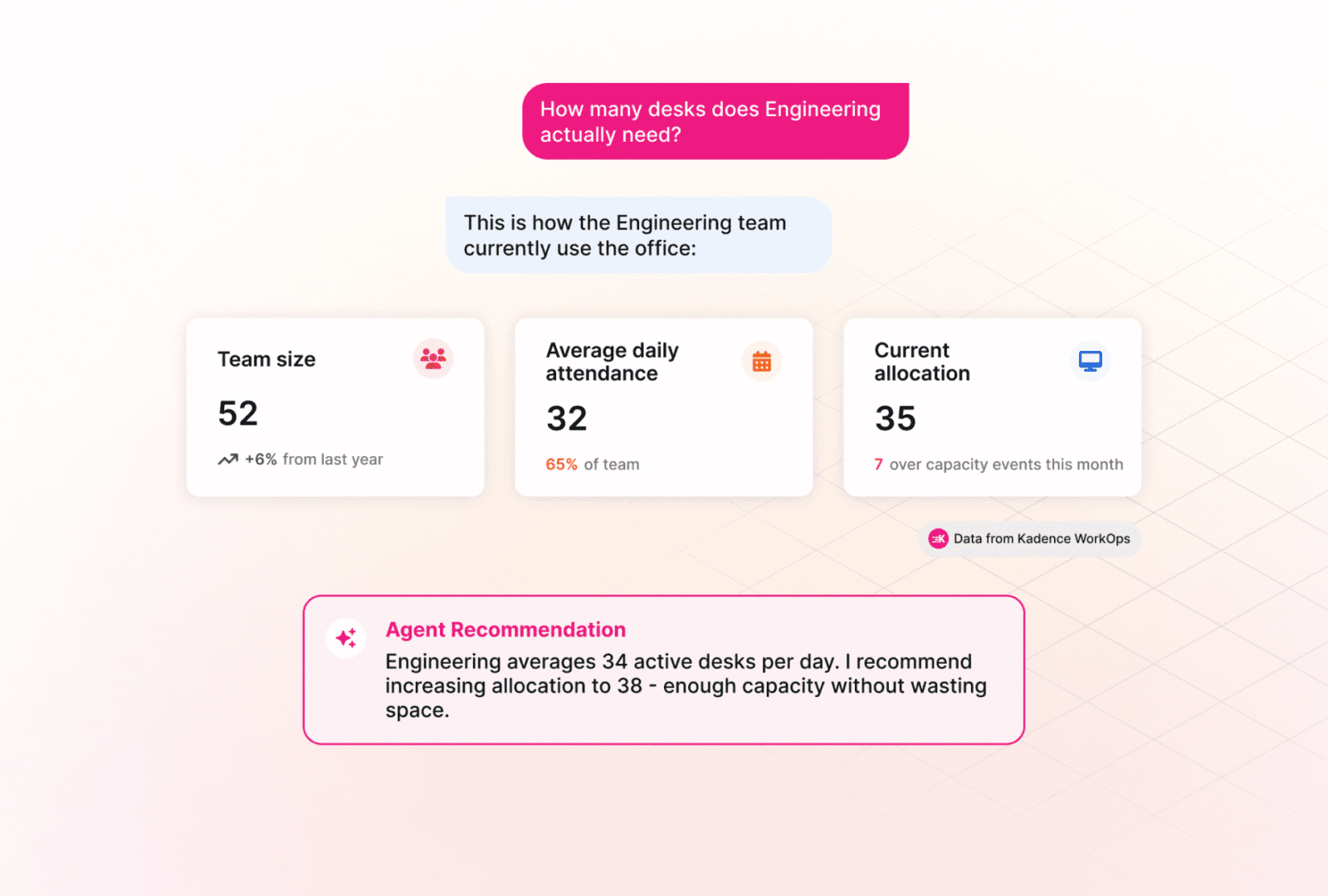
Here is the pattern I see across the market. Almost every company building toward PropOS is building it out of the building.
Sensors on the ceiling. Occupancy counts from the badge system. Energy and HVAC data from the building management system. A digital twin that renders the floorplate in three dimensions and reports how the asset is performing in real time. All of this is real, useful, and increasingly cheap to deploy. It is also, every bit of it, supply-side data.
And do not mistake this for a landlord’s toolkit alone. Plenty of occupiers deploy their own sensors, wire up their own badge feeds, and stand up their own dashboards for the floors they hold. That is worth saying plainly, because it changes nothing about the nature of what those tools capture. A sensor you own is still a sensor. Who mounts it on the ceiling does not change what it can see.
Supply-side data tells you what the asset is doing. It does not tell you what the organization inside the asset needs next quarter. A sensor can count how many people sat on the third floor on Tuesday. It cannot tell you that two teams should be sitting together on Tuesdays, or that a business unit is about to add forty people, or that a lease you are three years into no longer matches how the company works. Those are not facts about the building. They are facts about the workforce, and they do not live in the building at all.
The Workplace Demand Signal: What It Is and Why Only Occupiers Have It
The scarce asset in this whole equation is the demand signal, and it sits entirely on the occupier’s side of the wall.
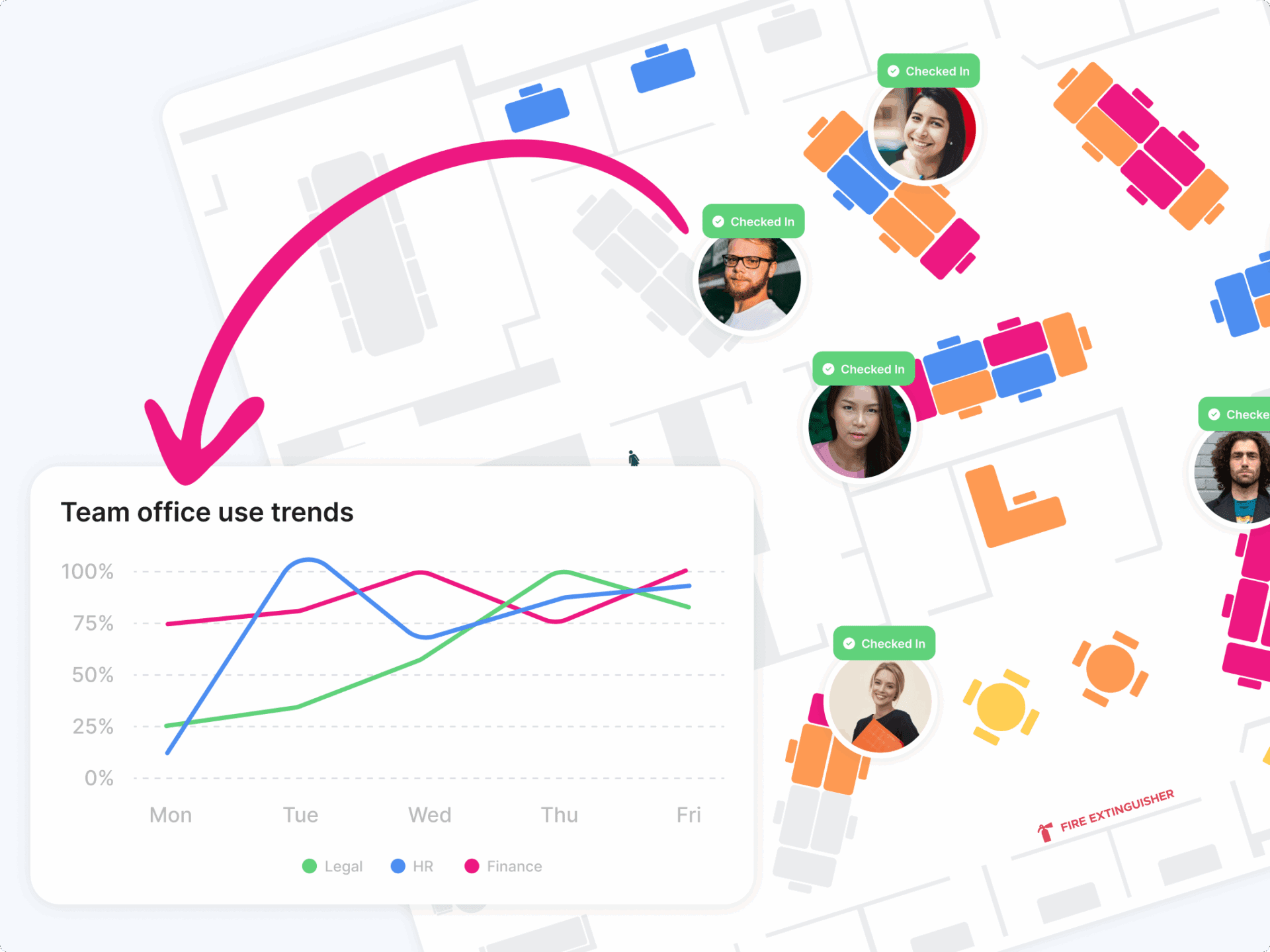
The demand signal is the accumulated picture of how an organization actually uses space and intends to use it. Bookings and attendance patterns. Which teams cluster and when. Hybrid policies, and more importantly whether people follow them. Headcount plans, project cycles, the rhythms that decide whether a floor is full on Wednesday and empty on Friday. This is workforce data. No amount of sensing can reconstruct it, no matter who owns the sensors, because it is generated by the people who work for the occupier, not by the building they occupy.
The report carries a statistic that makes the point better than I can. Even with compliance improving year over year, only 72 percent of organizations reported hitting their attendance goals, and just 37 percent took any action to enforce their return-to-office policies. Read that the way an operator should. Behavior, not mandate, is the real demand signal. What people are told to do is a policy. What they actually do is data. The gap between the two is precisely the information a portfolio decision depends on.
That is why the demand signal is scarce. Supply data is everywhere and getting cheaper. Demand data exists in exactly one place, and it is not the building.
Dashboard Versus Operating System
So here is the line I would put on the wall.
Supply data without demand data is a dashboard. Demand data with an optimization layer is an operating system.
A dashboard shows you what happened. It is a rear-view mirror with good graphics. An operating system helps you decide what to do next, and in enterprise real estate the decisions that matter are all portfolio decisions. What do we consolidate. Who do we co-locate. Which lease do we renew, and which floor do we hand back. Every one of those requires the demand signal plus an engine that can turn it into scenarios you can actually compare.
The market backdrop is what makes this urgent rather than academic. The report finds that 49 percent of office leases in place in March 2020, at ten thousand square feet and above, still have not rolled over. Net absorption has been flat or negative for fourteen straight quarters. The average lease is now about 12.5 percent smaller than it was before the pandemic, and just over 27 million square feet is under construction, matching the lowest levels of new supply since the financial crisis. You cannot lease your way out of a market like that. You have to optimize what you already hold, and optimization is a demand-side problem.
Who Owns the Demand Signal, and What to Do About It
The report closes its spotlight on an open question. When AI platforms start learning from patterns across many properties, who owns the resulting insight? It names the same three unresolved issues that everyone serious in this space runs into: interoperability, data ownership, and AI governance.
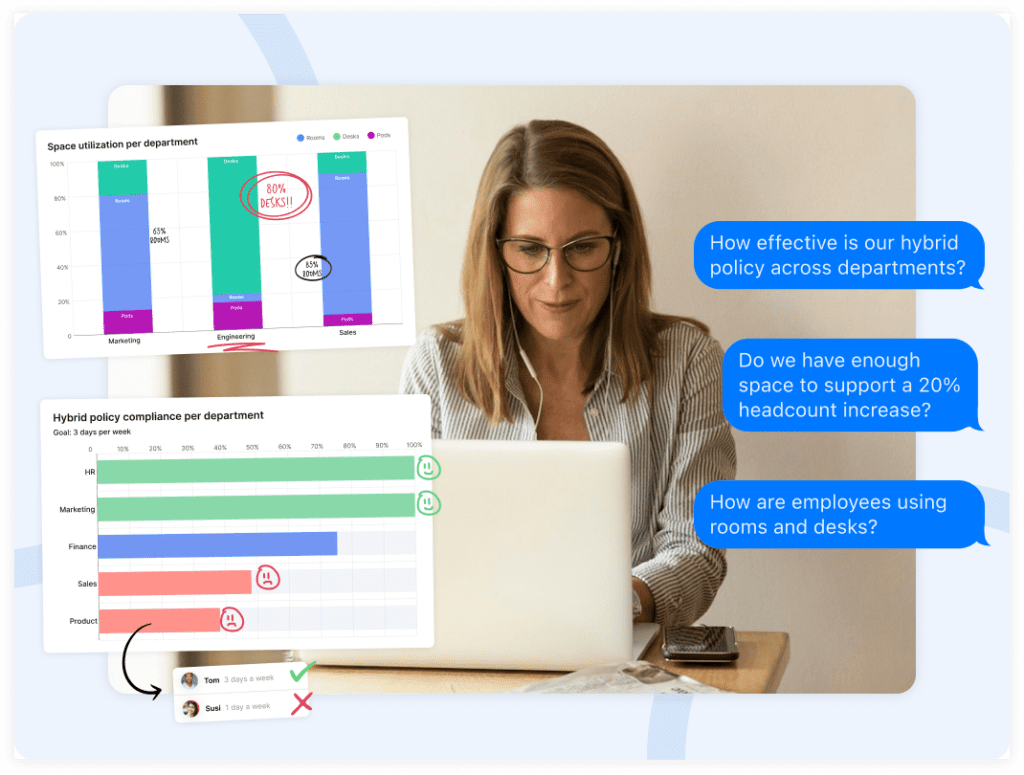
I will answer the ownership question plainly. The demand signal belongs to the occupier, because it is workforce data. Sensor-side platforms will always be guests to it, whether they belong to the landlord or to the occupier. They can see the asset. They cannot see the organization. Which means the place PropOS actually gets assembled is not the building’s data layer. It is the occupier’s workplace platform, the one system that sits close enough to the workforce to capture demand as it happens.
There is a sharper version of that answer, and it is the one that matters most. Ownership is not really about which company holds the data. It is about which people sit close enough to the source to use it, and that is the workplace leaders. They are the only ones near enough to the demand signal to read it as it forms and to act on it, who sits where, which teams share a floor, how much room a growing business unit actually needs. Those are the decisions that shape how a company runs day to day, and they get made well only by the people closest to the behavior that drives them.
If you lead real estate for an enterprise, the first move is unglamorous. Audit whether your demand data is captured anywhere structured at all. For most organizations it is not. It dies in calendar invites and in a spreadsheet named FINAL_v7 that one person on the workplace team updates by hand. You cannot optimize a portfolio on that.
If you advise occupiers, the point is just as direct. Guiding a client through this repricing cycle takes more than comparables. It takes their demand data, because the answer to what a company should do with a given lease lives in how its people actually work.
The Thesis Kadence Is Built On
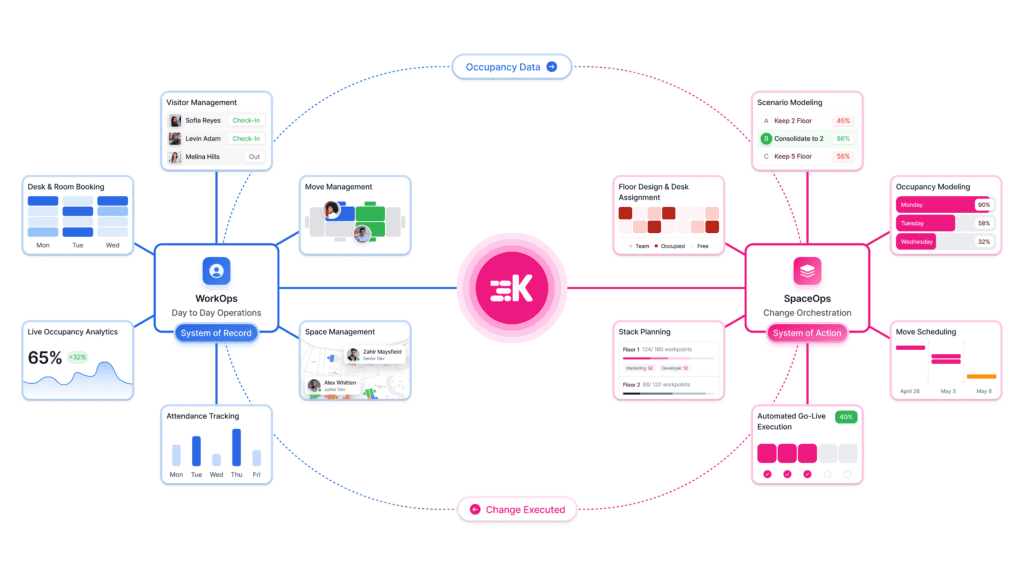
This is the bet Kadence was built on, so I will keep it brief. WorkOps captures the demand signal as a byproduct of employees coordinating their week, with presence measured through Kadence Sense rather than a survey nobody trusts. SpaceOps is the optimization engine that turns that signal into portfolio scenarios you can compare and defend before you commit to a lease. It runs on constraint-based optimization, not a generic language model guessing at your floorplan, which matters if you take the report’s AI governance question seriously. Every scenario traces back to your own workforce data, and that traceability is the point.
The report asked who owns the insight when the machines start learning across every building at once. Here is the one-line answer. Whoever owns the demand signal does, and that has only ever been the occupier. The question for real estate leaders is no longer whether that data matters, but whether they are capturing it and putting it to work. Turning that signal into portfolio decisions is exactly what SpaceOps was built to do, modeling consolidation, co-location, and lease scenarios against your own workforce data so you can see the trade-offs before you commit. If you want to see what your own demand signal is worth in hard numbers, run the figures through the Kadence ROI calculator, and when you are ready to pressure-test the scenarios against your portfolio, book a demo with our workplace operations team.