
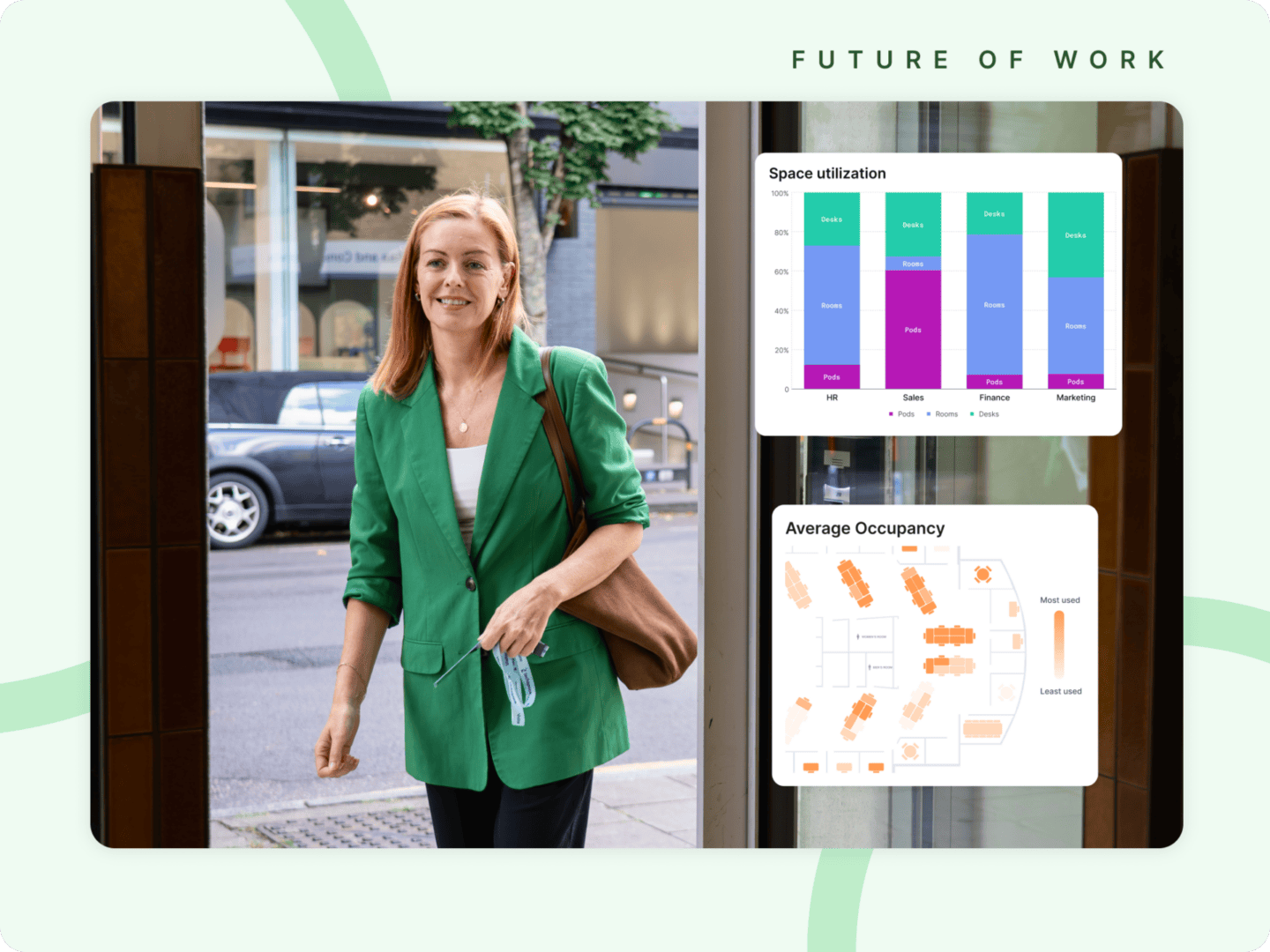
The most influential forecast in commercial real estate just floated a new job title, and I think it is the most important idea in the entire report. In this year’s PwC and ULI outlook, in a passage about how occupiers are reorganizing their floors, is the suggestion that coordinating where teams sit may soon become its own role. The report even gives it a name. An occupier research head quoted in the study is teasing the idea of a chief places officer, someone whose whole remit is the intersection of people and place.
I want to take that seriously, because I do not think the role is coming. I think it is already here. Every enterprise I speak to already has this person. They just do not have the title, the budget, or the system to do the job properly.
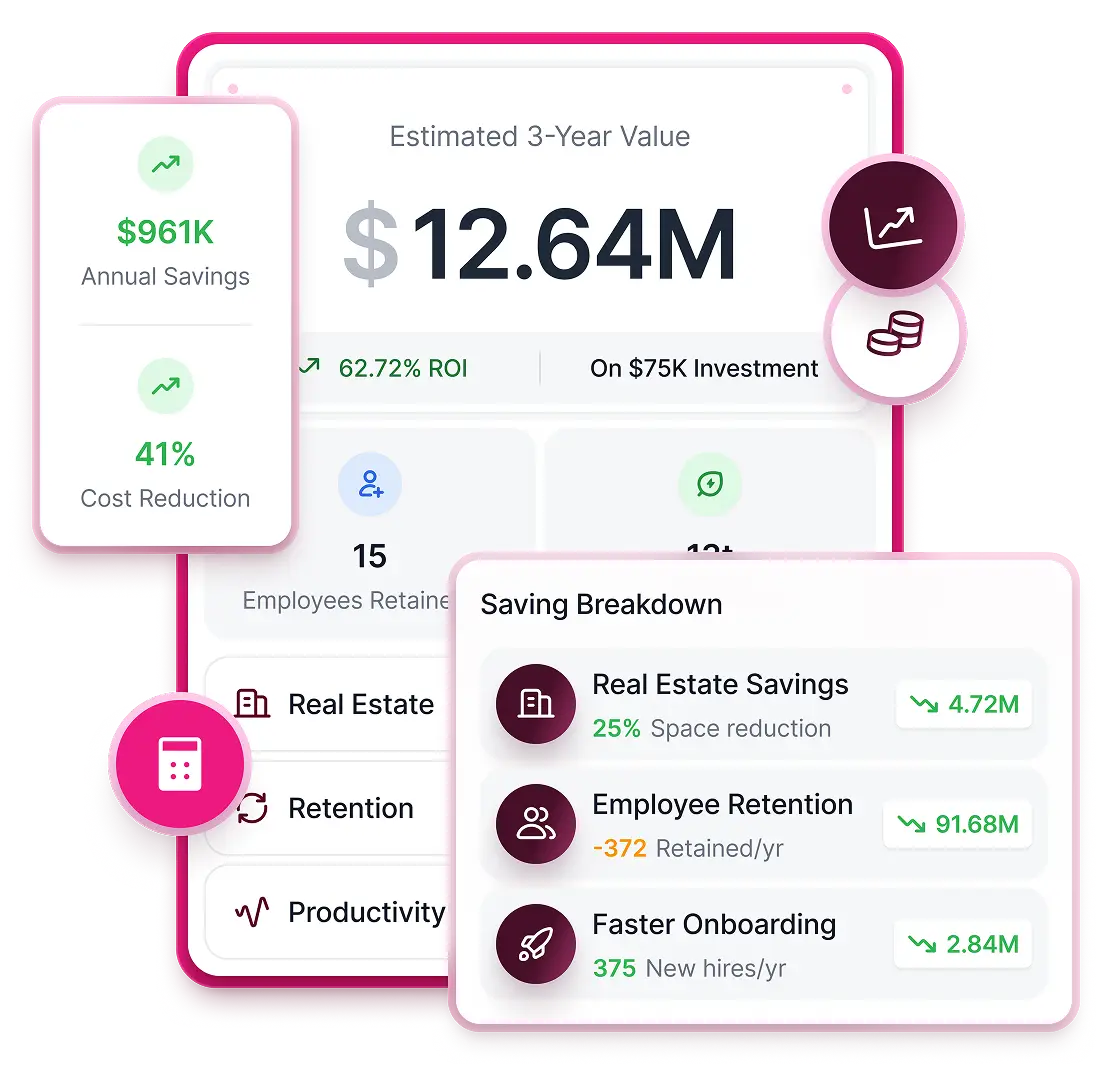
Calculate the ROI of Your Workplace Operations
Our brand-new ROI Calculator is here to help you visualize your success in seconds.

The Report Named a Role That Already Exists
Read the passage closely and it is not really a prediction. It is a description of work that is already happening, badly, inside most large organizations.
The report points out that companies with hybrid policies are moving away from a dedicated desk for every employee. Instead they are carving their floors into “neighborhoods,” clusters of desks assigned to teams, with communal areas where different groups can overlap. Somebody has to decide which team goes where, how much room each one needs on its busiest day, and what to do when two teams both want to be in on Wednesday. The report says this coordination may soon become a role of its own.
Here is the line that stuck with me:
Somebody who is worried about the intersection of people and place.
That is the job. And in every enterprise I know, it is currently being done by an office manager with a seating chart, a facilities lead who inherited it, or a head of real estate handling it in the margins of a much larger mandate. The work is real. The role is not real yet. That gap is the whole story, and it is about to close.
What the Chief Places Officer Actually Does
Strip away the title and the job is easy to state and very hard to do. You are matching people to space, continuously, while both sides keep moving.
The people move because attendance is a pattern, not a rule. Teams cluster on some days and scatter on others. Headcount grows in one business unit and shrinks in another. The space moves because leases roll, floors get handed back, and neighborhoods get redrawn. The chief places officer sits in the middle of that and answers one question on repeat. Given who is actually coming in and when, what is the right configuration of the portfolio this quarter, and what will it be next quarter.
That is not an administrative task. It is an optimization problem. You are trying to fit a shifting demand pattern onto a fixed and expensive supply of space, at the lowest cost, without making people hate coming in. Framing it that way matters, because it tells you exactly what this person needs in order to succeed, and it is not a bigger spreadsheet.
The Chief Places Officer's Operating Stack
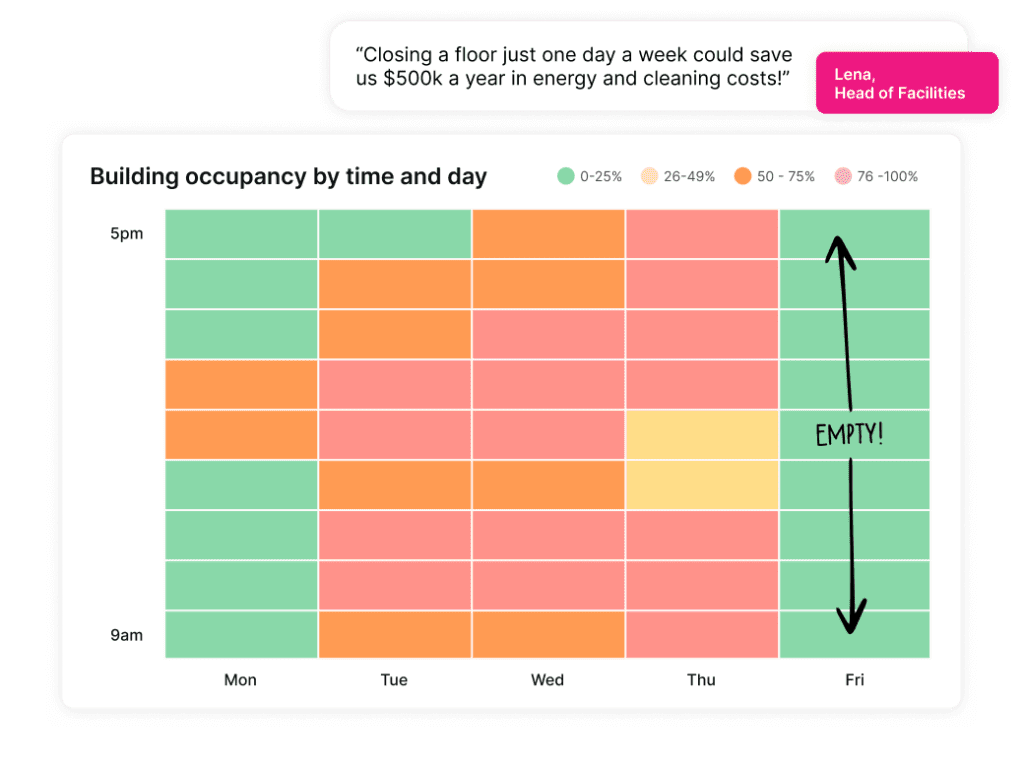
Every real operating role runs on a stack. The CFO has a financial system. The head of sales has a CRM. The chief places officer, today, has a color-coded seating chart in a slide that is out of date the moment it is shared. If the role is going to be taken seriously, it needs three layers underneath it.
The first layer is the demand signal. This is the record of how the organization actually uses space and intends to use it. Who comes in, on which days, in which teams, and what the headcount plan says is coming. This data does not exist in the building. It is generated by the workforce, which means it can only be captured on the occupier’s side, close to where people coordinate their week.
The second layer is the supply model. This is an accurate, current picture of the portfolio itself. Floors, neighborhoods, capacities, cost per seat, and the lease timeline that governs when each decision has to be made. Most organizations have this scattered across facilities, finance, and a broker’s spreadsheet, never in one place at one time.
The third layer is the optimization engine that sits between the two. This is the part almost nobody has. It takes the demand signal and the supply model and produces decisions you can compare and defend. Consolidate these two floors. Move this team next to that one. Renew here, hand back there. Without this layer, the first two are just reporting, and the chief places officer is back to guessing with better graphics.
Demand signal, supply model, optimization engine. Take away any one of the three and the role cannot function. That is why it has stayed informal for so long. Until recently, no single system held all three.
Why the Role Is Emerging Now
The obvious question is why now. This coordination work has existed for years. What changed is the stakes.
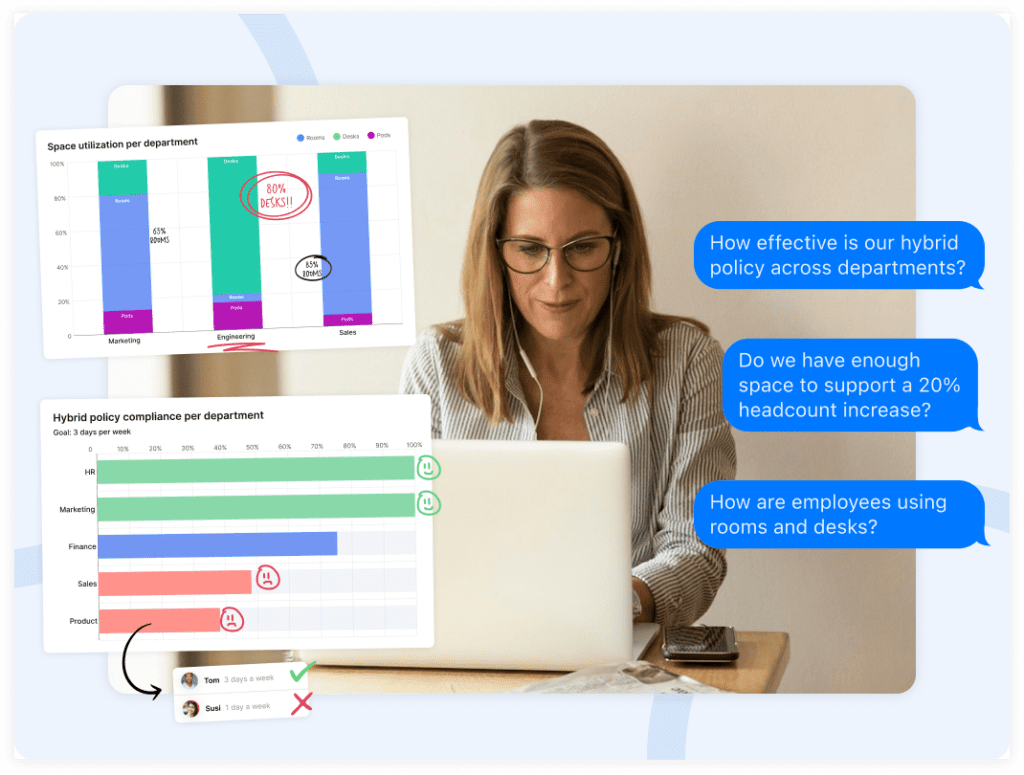
When space was cheap and every employee had an assigned desk, getting the configuration slightly wrong cost almost nothing. You had spare capacity everywhere. That era is over. The report describes a market where net absorption has been flat or negative for fourteen straight quarters and occupiers are actively shrinking their footprints. Every floor is now a live cost decision, and every lease event is a chance to get it right or expensively wrong.
At the same time, the demand side got harder to read. The report finds that even as compliance improved, only 72% of organizations hit their attendance goals, and just 37% took any action to enforce their return-to-office policies. Read that as an operator. Attendance is no longer something you can mandate on a slide and assume. It is something you have to measure and plan around. The person who does that planning, seriously and with real data, is the chief places officer, whether or not that is the name on the door.
Rising cost of getting it wrong, plus a demand pattern you can no longer assume, is exactly the condition that turns informal work into a formal role. That is what the report is picking up on.
What the Report Misses: How People Work, Not Just Where
There is one thing the report underplays, and it is the part that will decide whether this role is taken seriously or treated as facilities with a fancier title. The report frames the job around when and where people work. Attendance, neighborhoods, footprint, cost. All of that is real. But the chief places officer is not only deciding where a team sits. They are deciding how that team works, because the environment shapes the output.
A floor optimized purely for cost is easy to build and quietly corrosive. You can hit every utilization target and still create a space where focused work is impossible, where the teams that should be sparking off each other are on different floors, where people come in once and decide it was not worth the commute. That is the failure mode nobody puts on a dashboard. The best version of this role designs for the work itself. Quiet space for the work that needs concentration. Room for the collaboration that only happens in person. Adjacencies that put the right people within earshot of each other. Environments people actively want to be in, because the entire demand signal collapses the moment coming in stops being worth it.
This is why experience is not a soft afterthought sitting next to the optimization. It is a constraint inside it. The right configuration of a portfolio is not the cheapest one that fits the bodies. It is the one that is efficient and makes the workplace somewhere people do their best work. Optimize for only the first half and you win the spreadsheet and lose the room. The chief places officer is the person who has to hold both at once, and that is exactly why the role needs a system that can see behavior, not just square footage.
The System of Record for a Role the Market Is About to Hire For
This is the role Kadence was built for, before it had a name.
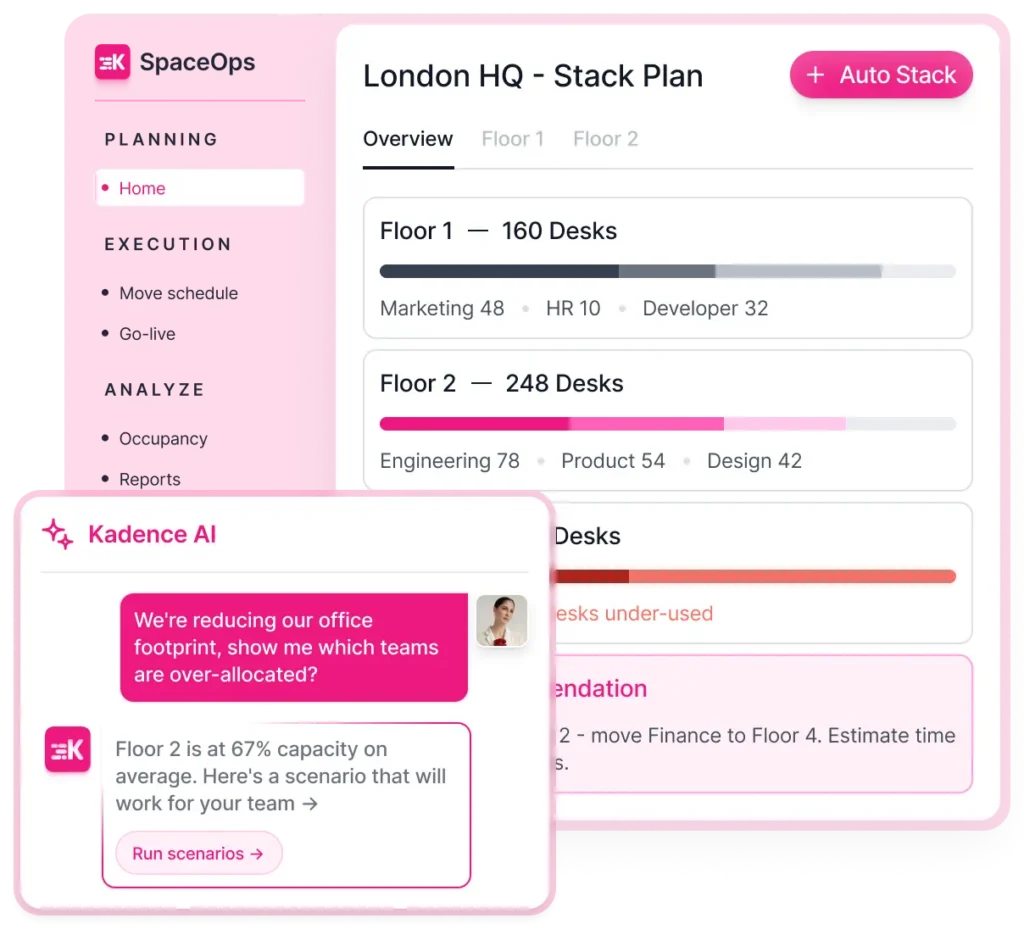
The demand signal is captured in the natural flow of employees coordinating their week, with presence measured through Kadence Sense rather than a survey nobody trusts. SpaceOps holds the supply model and runs the optimization on top of it, modeling consolidation, team adjacency, and lease scenarios against your own workforce data so the trade-offs are visible before you commit. It runs on constraint-based optimization, not a generic language model guessing at your floor plan. All three layers, in one system, which is the thing the role has never had.
The report is teasing a title. I would take the hint. Whoever an enterprise hires into this seat, on day one they will ask for the system that runs the people-and-place decision, and most organizations will not have one. If you want to see what getting that decision right is worth across your portfolio, run the numbers through the Kadence ROI calculator, and when you are ready to see the stack the chief places officer will actually run on, book a demo with our workplace operations team.